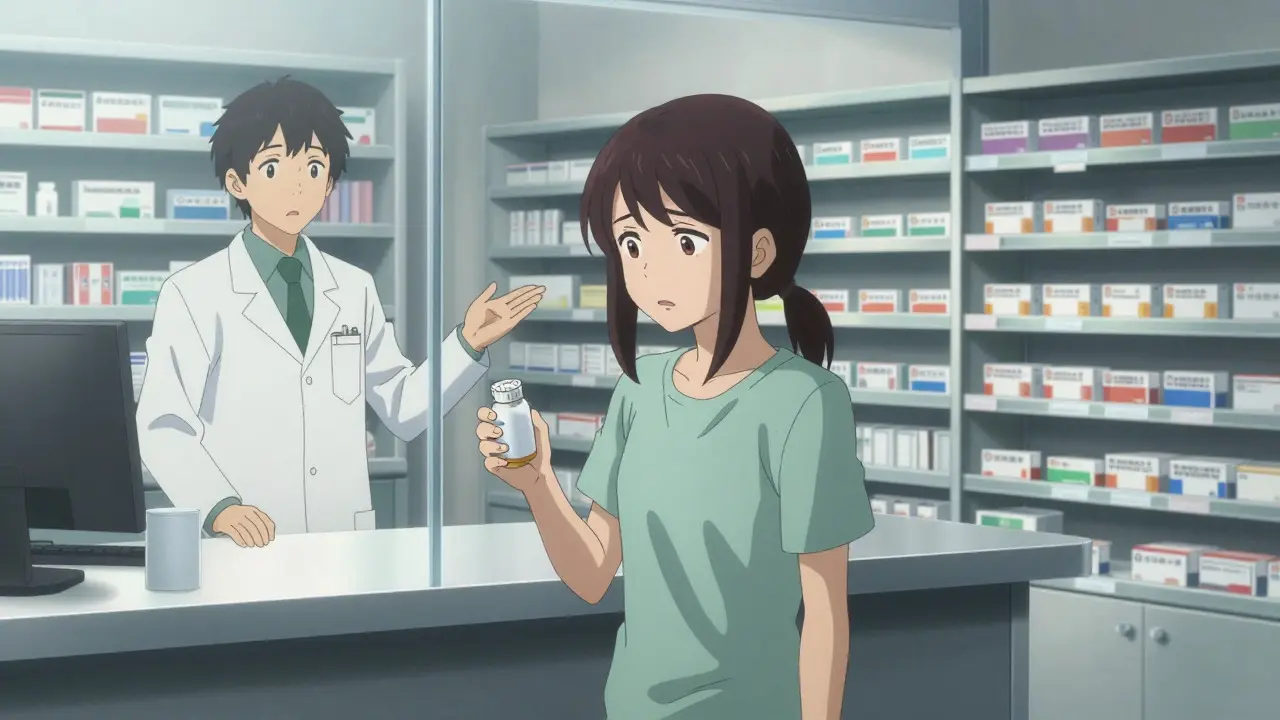
Imagine walking into a pharmacy to pick up a prescription you’ve taken for years, only to be told it’s gone. Not just out of stock for a few days, but missing from shelves nationwide. This isn’t a hypothetical scenario; it is the daily reality for millions of patients and healthcare providers in 2026. Drug shortages have evolved from occasional inconveniences into a persistent public health crisis that threatens patient safety, disrupts treatment plans, and strains hospital budgets.
The scale of this issue is staggering. According to data tracked by the American Society of Health-System Pharmacists (ASHP), active drug shortages reached an all-time high of 323 medications in early 2024. While numbers dipped slightly to 253 by mid-2025, this remains significantly higher than pre-pandemic levels. These aren't minor over-the-counter items; they include critical drugs for cancer treatment, anesthesia, and infection control. When these essential medicines disappear, the ripple effects touch every corner of the healthcare system, forcing difficult choices between safety, cost, and continuity of care.
The Hidden Cost of Missing Medications
We often think of drug shortages as a logistical headache for pharmacists, but the true burden falls heavily on patients and hospital staff. The economic impact is massive and multifaceted. A 2024 survey by Vizient, a major healthcare solutions provider, revealed that hospitals spend nearly $900 million annually just on the extra labor required to manage these shortages. This figure doesn't even account for the cost of alternative therapies or the financial strain on patients.
For individuals, the price tag is personal and painful. During shortage periods, patients see their out-of-pocket costs jump by an average of 18.7%. Why? Because when a generic drug runs out, doctors are often forced to prescribe brand-name alternatives or less common generics that may not be covered as well by insurance. This financial pressure leads to dangerous behaviors. Nearly 30% of Americans admit to skipping doses or taking less medication than prescribed because they can no longer afford it. In extreme cases, an estimated 1.1 million Medicare patients face life-threatening risks simply because they cannot access their prescribed treatments.
| Metric | Impact Value | Source Context |
|---|---|---|
| Average Active Shortages per Hospital | 43 drugs | Vizient 2024 Survey |
| Annual Labor Cost for Hospitals | $900 million | Vizient Economic Analysis |
| Increase in Medication Errors | 43% | NIH Clinical Studies |
| Patient Out-of-Pocket Cost Increase | 18.7% | Economic Impact Reports |
| Procedures Delayed or Cancelled | 65% of facilities | Pharmacy Director Surveys |
Safety Risks: When Substitutions Go Wrong
The most alarming consequence of drug shortages is the spike in medication errors. When your usual drug is unavailable, clinicians must find a substitute. This process, known as therapeutic substitution, introduces significant risk. According to analysis from the National Institutes of Health (NIH), medication errors attributable directly to shortages have risen by 43% since 2019. That is a dramatic increase in preventable harm.
Why do errors happen? It’s not usually malice or incompetence; it’s complexity. Different drugs have different dosing schedules, administration routes, and side effect profiles. Switching from one antibiotic to another might require changing the frequency of IV drips. Swapping an opioid painkiller might mean adjusting the dosage strength entirely. During the transition period, error rates jump by over 18%. Staff members, already overwhelmed, must learn new protocols on the fly. In pediatric facilities, where dosing is weight-based and formulations are complex, this challenge is even greater, with staff spending 25% more time navigating shortages than general hospital teams.
Consider the case of heparin, a blood thinner critical for heart surgery. When heparin shortages hit, cardiac centers had to develop alternative anticoagulation protocols. This didn’t just confuse nurses; it increased procedure times by 22%, keeping patients under anesthesia longer and raising the risk of surgical complications. For patients with acute lymphoblastic leukemia, shortages of drugs like asparaginase led to treatment delays of 7 to 14 days. In oncology, time is tissue; delaying chemotherapy can allow cancer cells to multiply, reducing the effectiveness of the entire treatment regimen.
Who Gets Hit Hardest?
Not all drugs are created equal, and not all patients are affected equally. The crisis disproportionately impacts specific medical communities. Antimicrobials and oncology medicines make up the bulk of shortage cases, accounting for between 28% and 42% of all reported issues. These are life-saving drugs. Without them, infections spread unchecked, and cancers progress.
Pediatric patients face unique challenges. Children often require specific liquid formulations or lower-dose injections that are manufactured by fewer companies. When a manufacturer halts production due to quality issues-a cause responsible for 32% of shortages-there are often no backup suppliers for these niche products. Similarly, patients with chronic pain struggle immensely. Ongoing shortages of oral opioids and injectables like lorazepam force patients into withdrawal symptoms or unmanaged pain, degrading their quality of life and mental health.
Outpatient infusion services are also severely disrupted. Vizient’s data shows that 41% of outpatient cases involving infusion therapies were omitted, missed, or delayed due to shortages. For a patient traveling hours to receive weekly immunotherapy, a cancelled appointment isn’t just an inconvenience; it’s a breakdown in trust and a potential setback in their recovery journey.
Why Is This Happening?
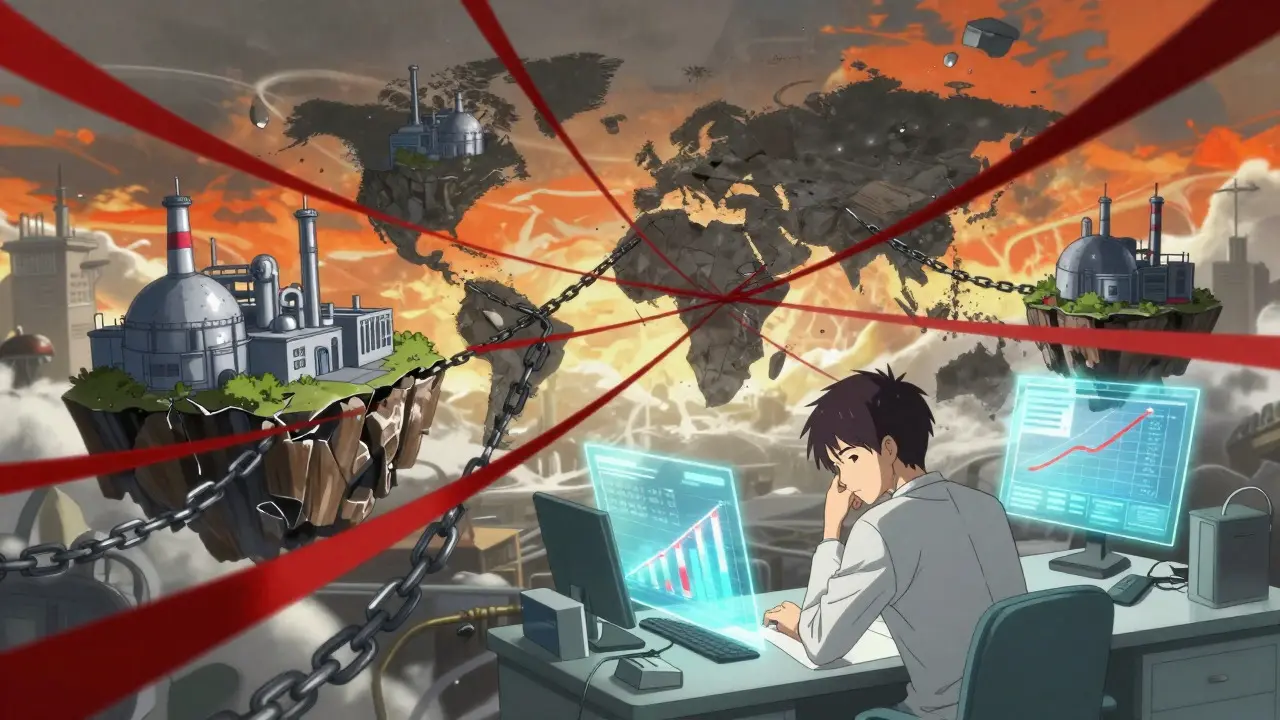
To solve the problem, we need to understand its roots. Drug shortages are rarely caused by a single factor. They are the result of a fragile global supply chain colliding with low-profit margins. Generic drugs, which comprise up to 83% of all shortages, are particularly vulnerable. Pharmaceutical companies have little financial incentive to produce these low-margin medications. If a factory has a minor quality control issue, or if raw materials become scarce, it is often cheaper for the company to shut down production than to fix the problem quickly.
Three main drivers fuel this crisis:
- Fractured Global Supply Chains (47%): Many active ingredients come from overseas. Geopolitical tensions, shipping delays, or local disasters can halt production thousands of miles away from the patient.
- Manufacturing Quality Issues (32%): Strict FDA regulations mean that if a facility fails an inspection, production stops immediately until fixes are verified. This ensures safety but creates sudden gaps in supply.
- Raw Material Unavailability (21%): Even if the final assembly plant is ready, a lack of basic chemical precursors can bring the line to a halt.
This structural fragility was highlighted in President Biden’s Executive Order on America's Supply Chains, recognizing that our reliance on single-source manufacturers for critical drugs is a national security and public health risk.
How Hospitals Are Fighting Back
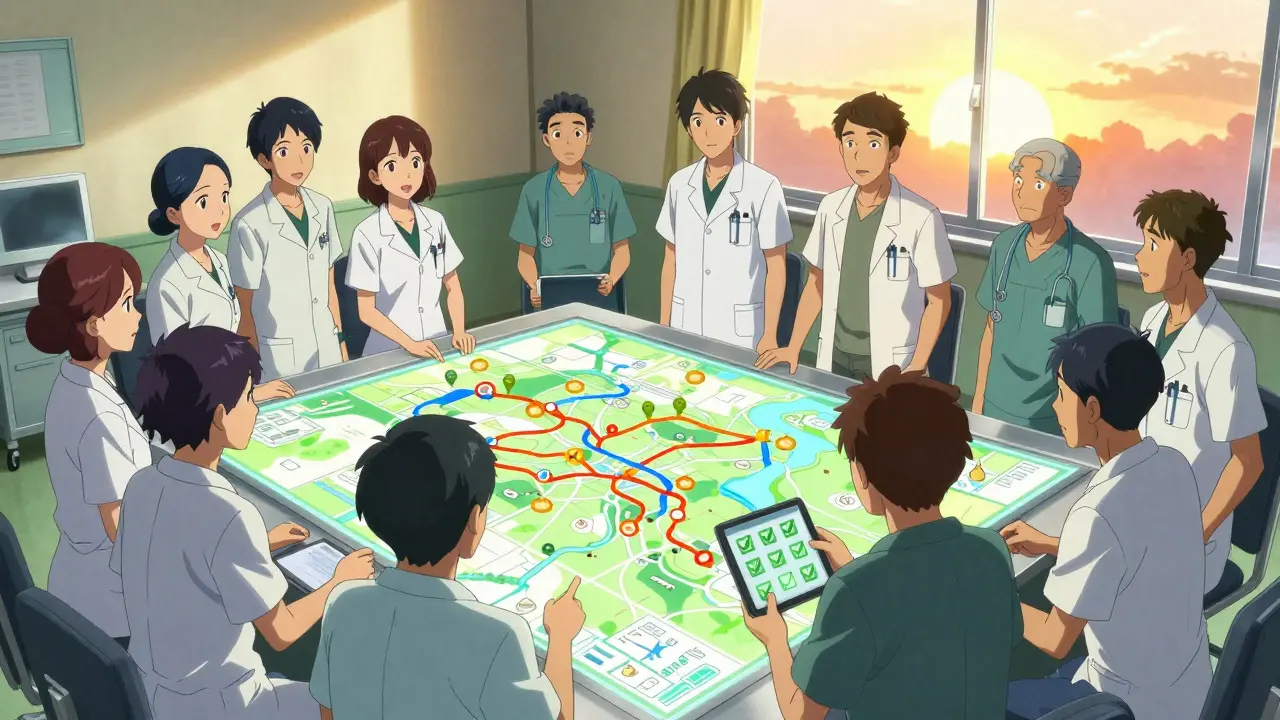
Hospitals aren’t sitting idle. They are deploying sophisticated strategies to mitigate the damage. The adoption of formal shortage management programs has skyrocketed from 58% in 2019 to 87% in 2024 among large hospital systems. These institutions are forming dedicated committees to monitor shortages in real-time. They use automated software to track inventory levels across multiple warehouses, allowing them to hoard supplies when they sense a shortage coming.
Group Purchasing Organizations (GPOs) like Vizient play a crucial role here. By pooling the buying power of hundreds of hospitals, GPOs can negotiate better terms and secure inventory before smaller clinics get locked out. Since 2023, these organizations have helped clients avoid nearly $300 million in inventory costs. However, these solutions are expensive and resource-intensive. The average hospital spends 15 to 20 labor hours per week per shortage just on monitoring and sourcing. This drains staff energy from direct patient care, contributing to burnout and further straining the workforce.
Regulatory Changes and Future Outlook
There are signs of regulatory evolution. The Food and Drug Administration (FDA) implemented new rules under the Drug Shortage Electronic Registration and Notification Act of 2022. Manufacturers must now notify the agency six months before a potential shortage occurs. This early warning system allows hospitals to prepare, though it doesn’t stop the shortage itself.
Despite these efforts, the outlook remains cautious. While ASHP reported a decline in active shortages from 323 to 253 in mid-2025, experts warn that the underlying dynamics haven’t changed. The market for shortage management solutions has grown to $1.2 billion annually, indicating that hospitals expect this to be a long-term battle. Industry analysts predict that 78% of hospital systems will plan to increase onshoring of critical medications by 2027, attempting to bring production closer to home to reduce supply chain risks.
Yet, without addressing the core issue of profit incentives for generic drugs, shortages will likely persist. The NIH concludes that while some substitutions yield equivalent outcomes, the majority of evidence points to negative clinical and economic consequences. Until manufacturers are rewarded for maintaining stable supply rather than cutting corners, patients will continue to bear the brunt of this systemic failure.
What should I do if my prescribed medication is out of stock?
First, don’t panic or skip doses without consulting your doctor. Contact your pharmacist immediately to ask if there is a therapeutically equivalent generic available. If not, call your prescribing physician. They may switch you to an alternative medication within the same class. Be aware that this change might affect your insurance coverage, so check with your insurer about prior authorizations or copay changes. Never buy medications from unofficial online sources during a shortage, as counterfeit drugs are a significant risk.
Are drug shortages happening worldwide or just in the US?
While this article focuses on the US healthcare system due to its distinct regulatory and market structure, drug shortages are a global issue. Countries with centralized healthcare systems often experience similar disruptions due to shared global supply chains for raw materials. However, the severity and duration can vary based on national stockpiling policies and government intervention capabilities.
Why do generic drugs have more shortages than brand-name drugs?
Generic drugs operate on much thinner profit margins than brand-name medications. Often, only two or three manufacturers produce a specific generic drug. If one factory shuts down for maintenance or fails a quality inspection, the remaining suppliers may not have enough capacity to meet total demand. Brand-name drugs typically have higher margins that incentivize manufacturers to maintain redundant production lines and larger safety stocks.
How do drug shortages affect children differently?
Children require precise dosing based on weight, often needing liquid formulations or specific injection strengths that are manufactured by very few companies. Pediatric facilities report monitoring 25% more shortages than general hospitals because these niche formulations are harder to substitute. Compounding pharmacies sometimes step in to create custom doses, but this increases preparation time and the risk of contamination if not strictly regulated.
What is the FDA doing to prevent future shortages?
The FDA has strengthened its surveillance capabilities through the Drug Shortage Electronic Registration and Notification Act of 2022. This law requires manufacturers to report potential shortages six months in advance. The FDA also works with the Department of Health and Human Services to prioritize inspections of facilities producing critical drugs and encourages the development of additional manufacturers for high-risk medications through fast-track approval processes.