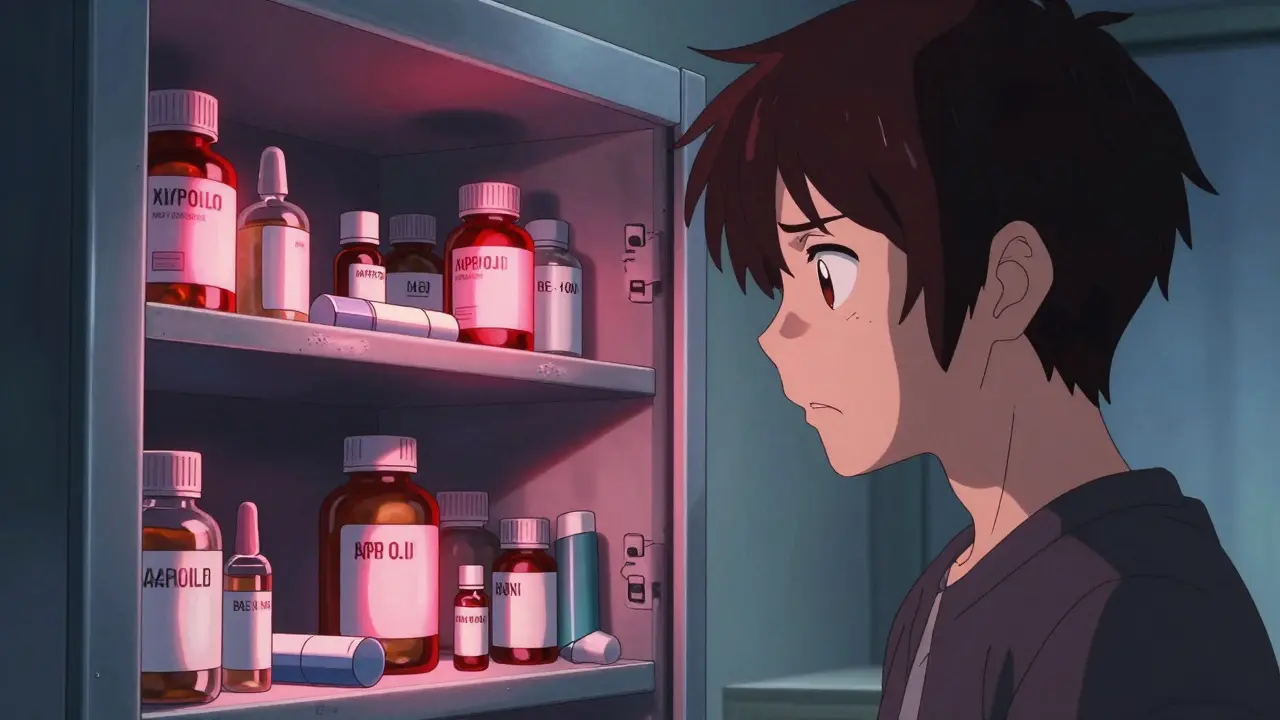
Check your medicine cabinet right now. Look at the bottles of pills, the vials of liquid, and the inhalers gathering dust on the shelf. Do you see dates stamped on the packaging? If those dates are in the past, you might be holding a health risk rather than a cure. We often treat expiration dates on food as strict deadlines-nobody wants to eat moldy milk-but we tend to shrug off them for medicine. That casual attitude can be deadly.
The expiration date is the final day a pharmaceutical manufacturer guarantees full potency and safety of a drug. This isn't just corporate fine print. It’s a requirement mandated by a 1979 U.S. Food and Drug Administration (FDA) law. While some solid pills might retain their strength years after that date if stored perfectly, other critical medications break down into useless or even toxic substances almost immediately. Knowing which ones fall into the "never use" category could save your life.
The Critical "Never Use" List
Not all expired drugs are created equal. Some lose effectiveness slowly; others degrade rapidly or become hazardous. Here are the specific medications you should throw away the moment they expire.
Insulin
If you manage diabetes, insulin is a hormone essential for regulating blood glucose levels. Using expired insulin is a gamble with no winners. According to a 2023 pharmacological review by the Cleveland Clinic, insulin loses its glucose-lowering effectiveness after expiration. Worse, temperature fluctuations accelerate this degradation. Research published in the *Journal of Diabetes Science and Technology* in 2021 found that expired insulin can contain protein aggregates that reduce bioavailability by up to 35%. This means your body simply cannot absorb the medication properly, leading to dangerous spikes in blood sugar that go unnoticed until it’s too late.
Nitroglycerin
Nitroglycerin is a fast-acting medication used to relieve chest pain caused by angina. This drug is chemically unstable. University Hospitals Cleveland Medical Center reported in August 2023 that nitroglycerin tablets can lose 40% to 60% of their potency within just six months past their expiration date. When you have an angina attack, you need immediate relief. An expired tablet won’t deliver that punch, leaving you vulnerable to heart damage during a critical window.
Liquid Antibiotics
Antibiotics like amoxicillin suspension is a liquid form of antibiotic commonly prescribed for bacterial infections present a dual threat. First, they lose efficacy, meaning they won’t kill the bacteria causing your infection. Second, the liquid medium becomes a breeding ground for contamination. FDA documentation from a 2019 antimicrobial resistance study noted that expired liquid antibiotics contributed to 12% of incomplete infection resolution cases. Taking a half-strength antibiotic doesn’t just fail to cure you; it teaches the bacteria how to survive, fueling antibiotic resistance.
Tetracycline-Class Antibiotics
This is one of the few cases where expired medication becomes actively toxic. Tetracycline is an antibiotic class that degrades into harmful compounds over time. Since 1963, the FDA has warned that tetracycline breaks down into toxic substances that can cause renal tubular damage. In simple terms, taking expired tetracycline can hurt your kidneys. This risk was reaffirmed in Centerwell Pharmacy’s 2022 safety bulletin. There is no safe way to use this drug past its date.
Epinephrine Auto-Injectors
For people with severe allergies, an epinephrine auto-injector (like an EpiPen) is a life-saving device used to treat acute allergic reactions known as anaphylaxis. These devices lose potency at approximately 15% per year after expiration, according to stability data from Mylan Pharmaceuticals. Swedish Health Services’ 2023 emergency medicine guidelines state clearly: never rely on expired epinephrine for acute allergic reactions. During anaphylaxis, every second counts. A weakened dose may not stop your throat from closing, potentially resulting in hospitalization or worse.
Rescue Inhalers
Albuterol sulfate is a bronchodilator medication used to quickly open airways during asthma attacks. University Hospitals’ 2023 research showed that rescue inhalers containing albuterol experience significant active ingredient degradation. Bronchodilator effectiveness decreases by 25% to 30% just six months past expiration. If you are struggling to breathe, a 30% drop in performance is the difference between relief and respiratory failure.
Eye and Ear Drops
Preservatives in eye and ear drops keep bacteria out. Once these drops expire, the preservative system fails. The Cleveland Clinic’s ophthalmology division reported 17 documented cases of Pseudomonas keratitis (a serious corneal ulcer) directly linked to expired eye drop usage between 2020 and 2022. Putting contaminated liquid into your eyes or ears can lead to permanent vision loss or severe outer ear infections (otitis externa).
Thyroid Medications
Levothyroxine is a synthetic thyroid hormone used to treat hypothyroidism. This medication requires precise dosing. The American Thyroid Association’s 2022 position paper notes that even a 10% reduction in potency can trigger significant thyroid dysfunction in 68% of patients with pre-existing conditions. Your metabolism relies on consistent hormone levels; expired pills disrupt that balance silently.
| Medication Type | Primary Risk After Expiration | Potency Loss Estimate |
|---|---|---|
| Insulin | Reduced absorption, high blood sugar | Up to 35% bioavailability loss |
| Nitroglycerin | Fails to relieve chest pain | 40-60% within 6 months |
| Epinephrine | Ineffective during anaphylaxis | ~15% per year |
| Tetracycline | Kidney damage (toxic) | N/A (Chemical change) |
| Albuterol Inhaler | Inadequate breathing relief | 25-30% within 6 months |
Why Storage Matters More Than You Think
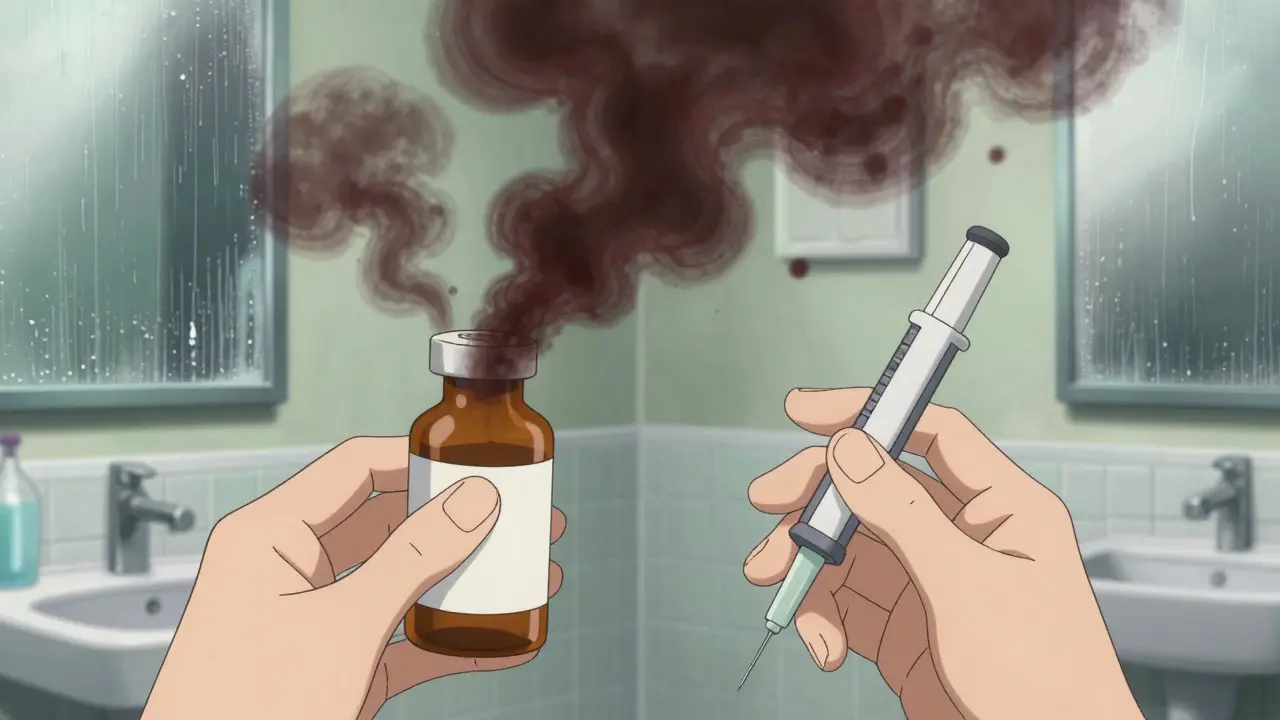
You might think keeping your meds in a cool closet is enough, but most people store them incorrectly. Cleveland Clinic’s 2023 medication safety survey found that 61% of patients store medications in bathroom cabinets. This is a mistake. Bathrooms are humid environments. Moisture accelerates chemical breakdown. Research shows that medications stored in bathroom cabinets degrade 2.3 times faster than those kept in bedroom dressers.
Proper storage means a cool, dry place away from direct light and humidity. Even then, the clock keeps ticking. For example, once you open a bottle of nitroglycerin, you must replace it every 3 to 6 months, regardless of the printed expiration date, because exposure to air and moisture degrades it rapidly.
The Myth of "Looking Fine"
A common misconception is that if a pill looks normal, it’s safe. Dr. Kristie Coots, a Registered Pharmacist, emphasizes that once a medication passes its expiration date, it starts to break down and change in composition. Visual inspection is unreliable. As Centerwell Pharmacy’s 2022 bulletin states: "If a medicine appears cloudy or has a different smell, color or consistency than normal, you should not take it-regardless of expiration date." But here is the catch: the absence of visible changes does not guarantee safety. Chemical degradation happens at a molecular level, invisible to the naked eye.
Real-World Consequences
Ignoring expiration dates isn't just a theoretical risk; it causes real harm. Brevard Health Alliance’s 2023 patient survey found that 43% of respondents admitted using expired medications, with 28% specifically reporting use of expired antibiotics. The consequences are stark. Swedish Health Services documented 37 cases of gastrointestinal complications between 2021 and 2023 directly linked to expired capsule medications, with patients reporting pain, ulcers, and gastrointestinal bleeding.
In emergency situations, the stakes are higher. University Hospitals documented 14 cases where patients delayed seeking emergency care for anaphylaxis because they attempted to use expired epinephrine pens. Three of those patients required hospitalization due to inadequate symptom control. They gambled on an expired device and paid the price.
How to Dispose of Expired Meds Safely
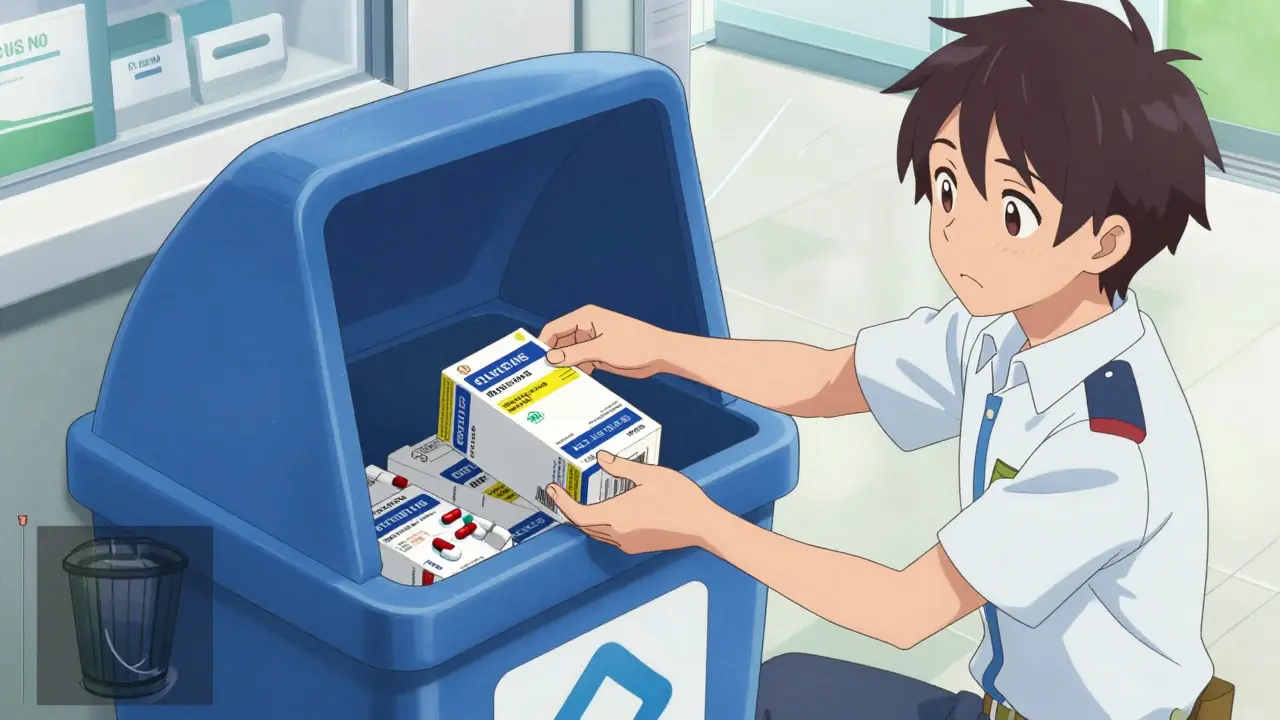
Throwing expired meds in the trash or flushing them down the toilet harms the environment. The U.S. Geological Survey documented pharmaceutical compounds in 80% of U.S. waterways in their 2021 study. Instead, use take-back programs. The FDA recommends using take-back programs for 99% of medications. The DEA’s 2022 National Prescription Drug Take Back Day collected over 900,000 pounds of unused medications. Check with your local pharmacy or police department for drop-off locations. Only flush medications if they are on the specific DEA list of high-abuse potential drugs that require immediate disposal.
Can I take expired painkillers like ibuprofen?
While solid painkillers like ibuprofen or acetaminophen may retain potency longer than critical drugs, the FDA warns against using any expired medicine. They may not work as intended, meaning you could suffer from untreated pain or fever. It is safer to replace them than to risk ineffective treatment.
Why is tetracycline more dangerous than other expired antibiotics?
Unlike most drugs that simply lose strength, tetracycline degrades into toxic compounds that can cause kidney damage. This makes it uniquely hazardous compared to other antibiotics that primarily pose a risk of treatment failure.
Does storing medication in the fridge extend its life?
Only if the label specifically instructs you to refrigerate it. Storing non-refrigerated meds in the fridge can introduce moisture and temperature fluctuations that accelerate degradation. Always follow the specific storage instructions on the packaging.
What should I do if I accidentally took an expired medication?
If you feel fine, monitor yourself for unusual symptoms. If you experience adverse effects, especially after taking expired tetracycline or insulin, contact a healthcare provider immediately. For future reference, check dates before taking any medication.
Are there any medications that are safe to use after expiration?
The FDA does not guarantee safety for any expired medication. While some studies show certain solid drugs remain potent for years, relying on this is risky. Critical medications like insulin, nitroglycerin, and epinephrine should never be used past their expiration date under any circumstances.