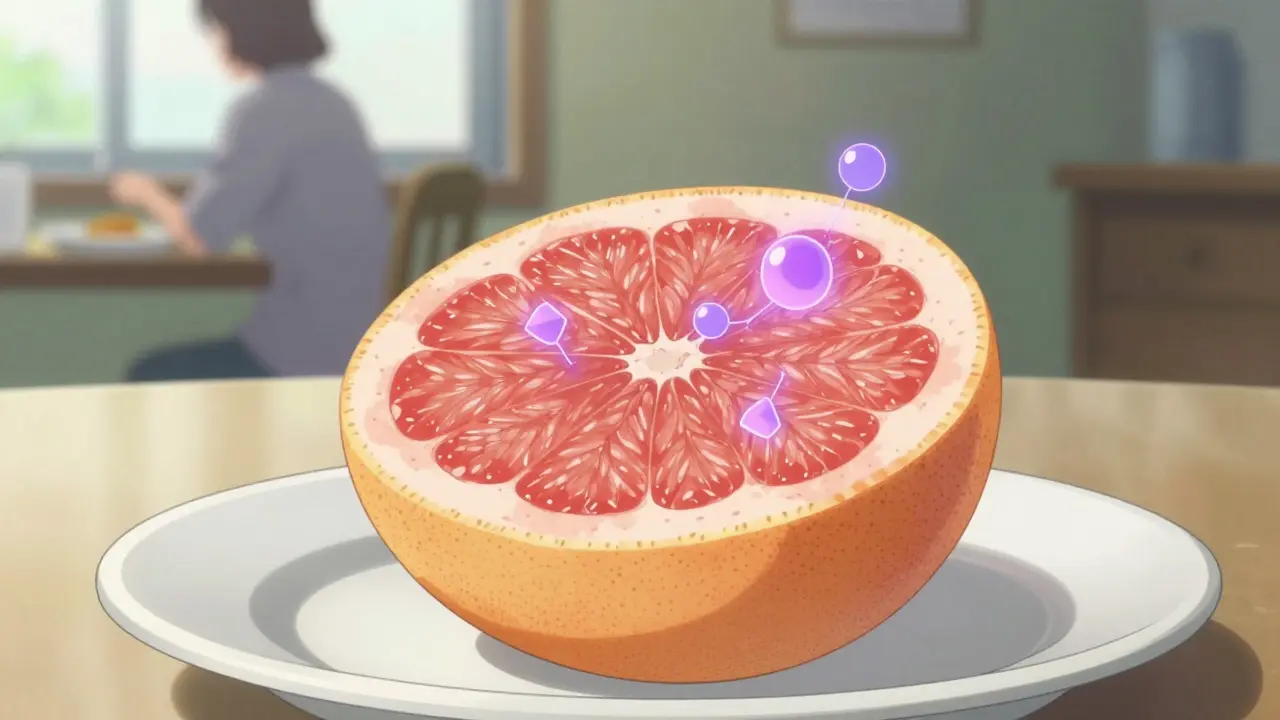
Imagine drinking your morning juice and unknowingly tripling the dose of life-saving medication in your blood. For millions of organ transplant recipients, this isn't a hypothetical scenario; it is a daily risk managed through strict dietary avoidance. Grapefruit is a citrus fruit containing furanocoumarins that irreversibly inhibit intestinal CYP3A4 enzymes, leading to dangerously high blood concentrations of certain drugs. While celebrated for its vitamin C content, this fruit poses a severe threat when combined with immunosuppressant medications, which are drugs used to prevent organ rejection by suppressing the immune system, often having a narrow therapeutic index. The interaction was first identified in 1989 but remains a leading cause of unexpected toxicity in transplant care today.
The Mechanism Behind the Danger
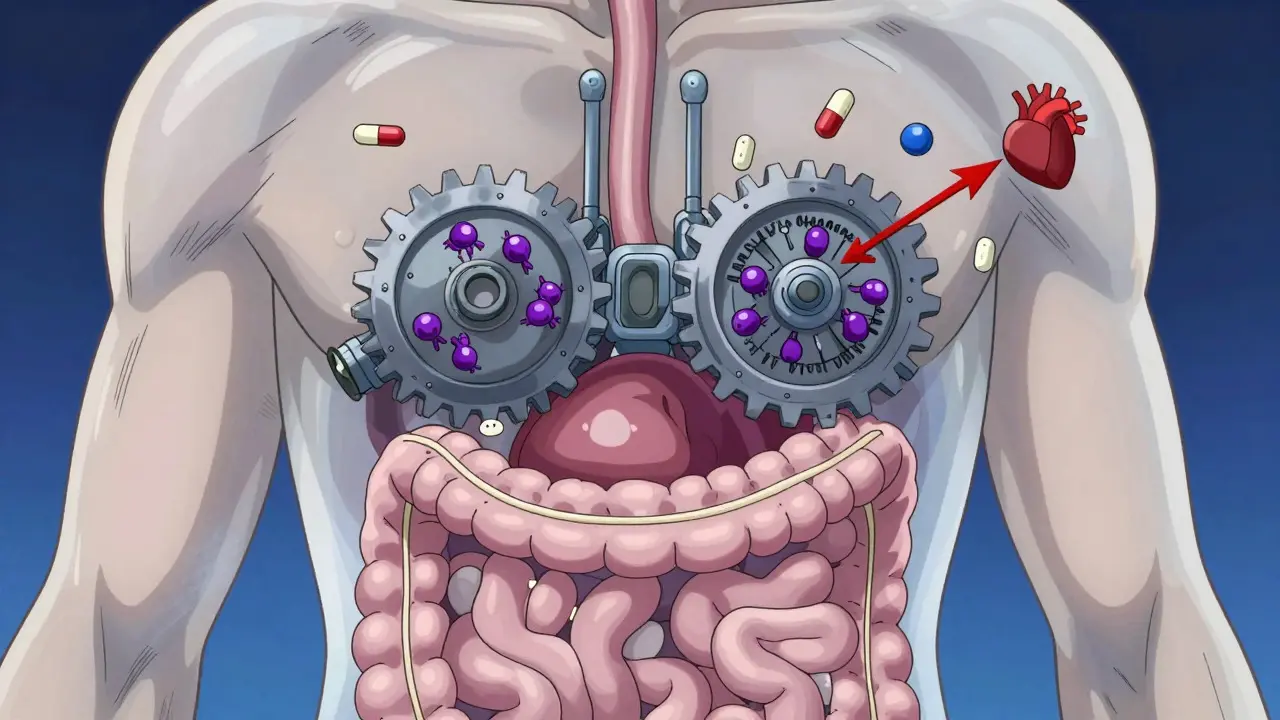
To understand why this combination is so risky, you have to look at how your body processes drugs. When you swallow a pill, it travels to your gut where an enzyme called CYP3A4 is a key liver and intestinal enzyme responsible for metabolizing approximately 50% of orally administered medications during first-pass metabolism. Normally, CYP3A4 breaks down a portion of the drug before it reaches your bloodstream, ensuring safe levels. However, grapefruit contains compounds known as furanocoumarins, specifically bergamottin and 6',7'-dihydroxybergamottin. These compounds bind permanently to the CYP3A4 enzyme in your intestines, effectively shutting it down.
When this enzyme is blocked, the drug isn't broken down as usual. Instead, more of it passes directly into your blood. For most drugs, this might just mean a slightly stronger effect. But for immunosuppressants like cyclosporine (Sandimmune, Neoral), tacrolimus (Prograf, Envarsus XR), and sirolimus (Rapamune), the margin for error is tiny. These drugs have what pharmacologists call a "narrow therapeutic index," meaning the difference between a helpful dose and a toxic one is very small. Studies show that grapefruit can increase cyclosporine blood levels by 50-100%, tacrolimus by 30-50%, and sirolimus by up to 300%. Because the enzyme inhibition is irreversible, the effect lasts for up to 72 hours after you last had grapefruit, not just while it's in your stomach.
Which Medications Are Most Affected?
Not all drugs react the same way to grapefruit, but three main classes of immunosuppressants are particularly vulnerable due to their reliance on CYP3A4 for metabolism. If you or a loved one is taking any of these, caution is critical.
- Cyclosporine: Used widely in kidney and heart transplants. Therapeutic blood levels typically range from 100-400 ng/mL. Grapefruit consumption can push these levels above 500 ng/mL, entering the toxic range within 24-48 hours.
- Tacrolimus: A cornerstone of modern transplant medicine. Safe levels usually sit between 5-15 ng/mL. Exceeding 20 ng/mL significantly increases the risk of kidney damage and neurological side effects.
- Sirolimus and Everolimus: Often used in lung and liver transplants. Sirolimus levels can spike dramatically, while everolimus (Zortress) was recently added to high-risk lists by the American Society of Health-System Pharmacists in 2023.
It’s worth noting that newer formulations, such as Astellas Pharma's Envarsus XR, use modified-release technology to stabilize blood levels. However, even these advanced versions do not completely eliminate the risk of grapefruit interaction, so the avoidance rule still stands.
Real-World Consequences and Patient Stories
This isn't just a theoretical warning found in a leaflet. In clinical settings, unexpected spikes in drug levels lead to hospitalizations that cost an average of $18,500 per incident. Transplant pharmacists at Mayo Clinic reported that between 15-20% of unexpected toxicity cases in their recent reviews involved undisclosed grapefruit consumption. One kidney transplant recipient shared their experience on a support forum, describing how a single glass of juice caused their tacrolimus level to jump from a safe 8.2 ng/mL to a dangerous 24.7 ng/mL within 36 hours, resulting in acute kidney injury and a hospital stay.
Symptoms of toxicity vary but often include nausea, tremors, high blood pressure, and elevated potassium levels. Many patients don't realize the connection until they are already in crisis. The British Liver Trust notes that about 25% of transplant patients fail to adhere to grapefruit restrictions, often because they underestimate the severity of the interaction or forget that "small amounts" still count. This gap in awareness is why education remains a top priority for healthcare providers.
Practical Guidelines for Safe Consumption
If you are on immunosuppressants, the safest approach is complete avoidance. But what does that actually look like in daily life? Here is a practical breakdown based on current medical consensus and FDA guidelines.
- Avoid All Forms: It’s not just fresh fruit. Juice, extracts, dried fruit, and supplements containing grapefruit concentrate all carry the risk. Even a 200mL serving (less than one cup) is enough to trigger the interaction.
- Watch Out for Hidden Sources: Seville oranges, commonly used in marmalades, contain similar furanocoumarins. Pomelo, another citrus fruit, also poses a risk. Regular sweet oranges and lemons are generally safe, but always check labels for mixed citrus blends.
- Respect the 72-Hour Window: Since the enzyme blockage lasts three days, if you accidentally consume grapefruit, wait 72 hours before taking your next scheduled dose if possible, or consult your doctor immediately. Do not simply double up on doses later to compensate.
- Monitor Your Levels: If you suspect exposure, your doctor will likely order an immediate blood test. Protocols at major centers like the University of Pittsburgh Medical Center suggest checking levels 3-5 days after potential exposure, with temporary dose reductions pending results.
Technology is starting to help here too. Johns Hopkins launched a mobile app in early 2023 that scans medication barcodes to instantly flag grapefruit interactions, making it easier for patients to verify safety on the go.

Comparing Citrus Fruits: What’s Safe?
You don’t have to give up all citrus fruits. The issue is specific to the chemical profile of grapefruit and Seville oranges. To make decisions easier, here is a comparison of common citrus fruits regarding their interaction risk with CYP3A4-metabolized drugs.
| Fruit Type | Furanocoumarin Content | Risk Level for Immunosuppressants | Recommendation |
|---|---|---|---|
| Grapefruit | High | Very High | Strictly Avoid |
| Seville Orange | High | High | Avoid (check marmalade labels) |
| Pomelo | Moderate-High | Moderate-High | Avoid or Consult Doctor |
| Regular Sweet Orange | Low/Negligible | Low | Generally Safe |
| Lemon/Lime | Negligible | Low | Generally Safe |
Keep in mind that individual sensitivity can vary, so if you have questions about a specific food product, a quick chat with your pharmacist is always the best move. They can cross-reference your specific medication regimen with the ingredient list.
Frequently Asked Questions
How long does grapefruit interact with my medication?
The inhibition of the CYP3A4 enzyme lasts for up to 72 hours after consumption. This means the effect persists well beyond the time it takes to digest the fruit. You should consider yourself at risk for three full days after eating grapefruit or drinking its juice.
Is orange juice safe to drink if I take tacrolimus?
Most regular sweet orange juices are considered safe because they contain negligible amounts of the inhibiting furanocoumarins. However, be cautious with blended juices that may contain grapefruit or Seville orange. Always check the label for ingredients other than pure orange.
What happens if I accidentally eat grapefruit while on immunosuppressants?
Don't panic, but act quickly. Contact your transplant team or pharmacist. They will likely advise monitoring your blood levels closely over the next few days. In some cases, they may temporarily adjust your dose to prevent toxicity while waiting for lab results. Do not skip doses without professional guidance.
Do grapefruit supplements pose the same risk as fresh fruit?
Yes. Any product containing grapefruit extract, concentrate, or juice carries the same risk because the active compounds remain intact. This includes energy drinks, weight loss supplements, and certain herbal teas marketed with grapefruit flavoring.
Why is this interaction more dangerous for transplant patients than others?
Transplant patients take immunosuppressants with a narrow therapeutic index. Small changes in blood concentration can lead to serious side effects like kidney failure or increased infection risk. Unlike statins or blood pressure meds, where higher levels might just cause mild discomfort, high levels of immunosuppressants can be life-threatening.