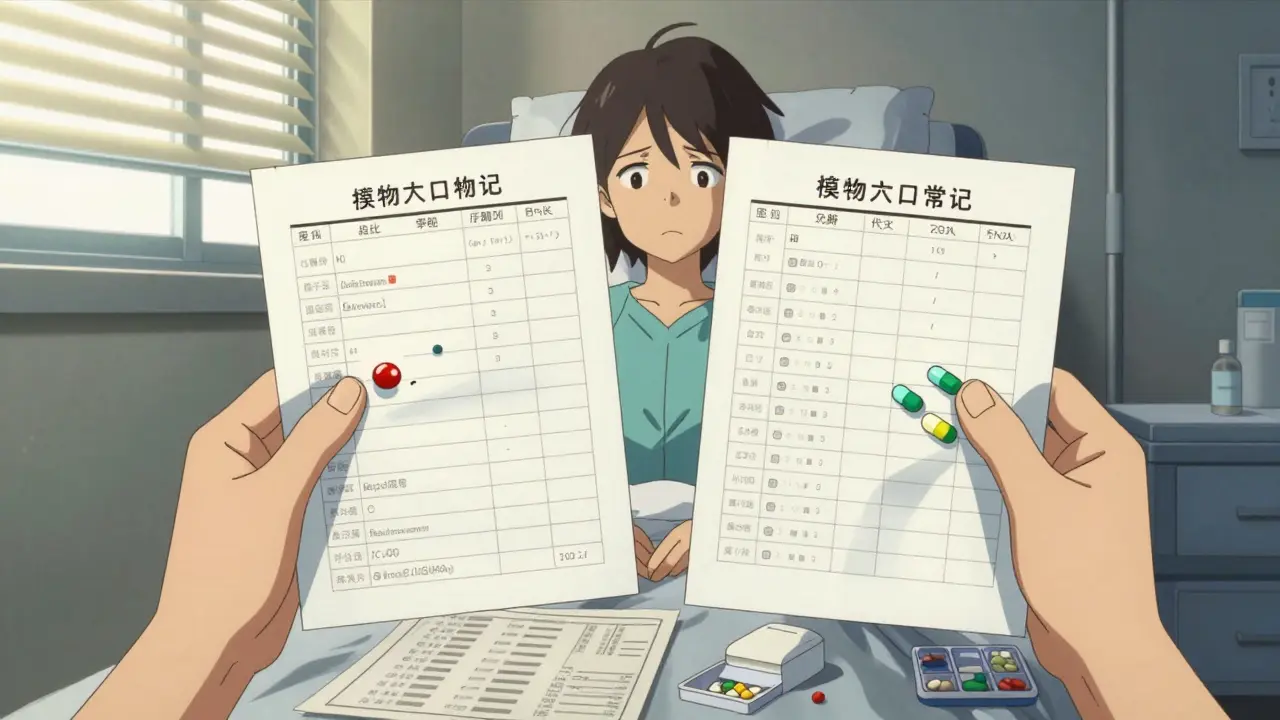
Leaving the hospital after a stay should mean you’re on the road to recovery-not walking into a new health risk because your meds got mixed up. Every year, tens of thousands of people end up back in the hospital not because their condition got worse, but because they were sent home with the wrong medications, missing doses, or dangerous combinations. The fix isn’t complicated, but it’s often skipped: medication reconciliation.
What Medication Reconciliation Actually Means
Medication reconciliation isn’t just a checklist. It’s the process of making sure the list of drugs you’re supposed to take at home matches exactly what was prescribed during your hospital stay. It’s about catching the mistakes that happen when someone’s meds are changed in the hospital-maybe stopped, started, or switched-and then forgotten once you walk out the door. The Joint Commission made this a national safety goal back in 2006. Since then, hospitals are required to do it. But here’s the problem: only about 65% of hospitals actually get it right at discharge, according to the American Society of Health-System Pharmacists. That means more than one in three patients leave with a medication list that doesn’t match what they need. The biggest errors? Missing meds (43% of cases), extra meds not meant to be there (25%), and wrong doses or timing (12%). These aren’t small slips. They cause real harm. A 2022 study found that 18.7% of medication changes made in the hospital are accidentally kept after discharge-sometimes with deadly results, especially with blood thinners like warfarin.Why This Happens (And Why It’s So Dangerous)
You’d think hospitals have perfect records. They don’t. Most rely on what patients say they take-which is often wrong. A 2021 study showed patients misremember or forget about half their own meds, especially if they’re on five or more. That’s not surprising. People forget if they took their pill this morning, let alone whether they’re still taking a cholesterol drug from three years ago. Even worse, doctors and nurses are rushed. The average time spent on reconciliation at discharge is just 7.3 minutes. Experts say you need at least 15 to 20 minutes to do it properly. When staff are stretched thin, the checklist gets skipped. Nurses covering three units. Pharmacists overwhelmed. Discharge papers piled up. The system breaks. The consequences? Patients on anticoagulants who don’t get restarted on warfarin after surgery can develop blood clots. Diabetics who lose their insulin dose can end up in ketoacidosis. Elderly patients on multiple pills for heart, kidney, and mental health conditions can have dangerous overlaps-like taking two drugs that both lower blood pressure too much. One Reddit user shared how his father was discharged after a knee replacement, and his blood thinner was stopped before surgery but never restarted. Two weeks later, he had a pulmonary embolism and was readmitted. That wasn’t an accident. It was a missed step.What You Should Do Before You Leave the Hospital
You can’t wait for the hospital to fix this. You have to take charge. Step 1: Bring your own list. Before you’re even admitted, write down every single thing you take. Not just prescriptions. Include over-the-counter pills (ibuprofen, antacids), vitamins, supplements (fish oil, turmeric), and even herbal teas you drink daily. Put the name, dose, and how often you take it. Use a notebook or your phone. Don’t rely on memory. Step 2: Ask for a written discharge list. When you’re told you’re going home, ask for a printed copy of your new medication list. Don’t accept a verbal rundown. Get it in writing. Make sure it’s signed and dated by a nurse or pharmacist. Step 3: Compare it line by line. Take your pre-hospital list and the discharge list side by side. Ask: What’s missing? What’s new? What’s changed in dose or timing? If something doesn’t match, ask why. Don’t be afraid to say, “This doesn’t look right.” Step 4: Know the purpose of each new drug. Don’t just take it because someone handed it to you. Ask: “What is this for?” “How long do I take it?” “What side effects should I watch for?” If you’re given a new blood pressure pill, know if it’s replacing an old one-or adding to it. Step 5: Confirm who’s in charge. Who’s supposed to follow up? Your GP? A specialist? Make sure someone is assigned to review your meds within 7 days. Ask if your discharge summary was sent to your doctor’s office. If not, call them yourself.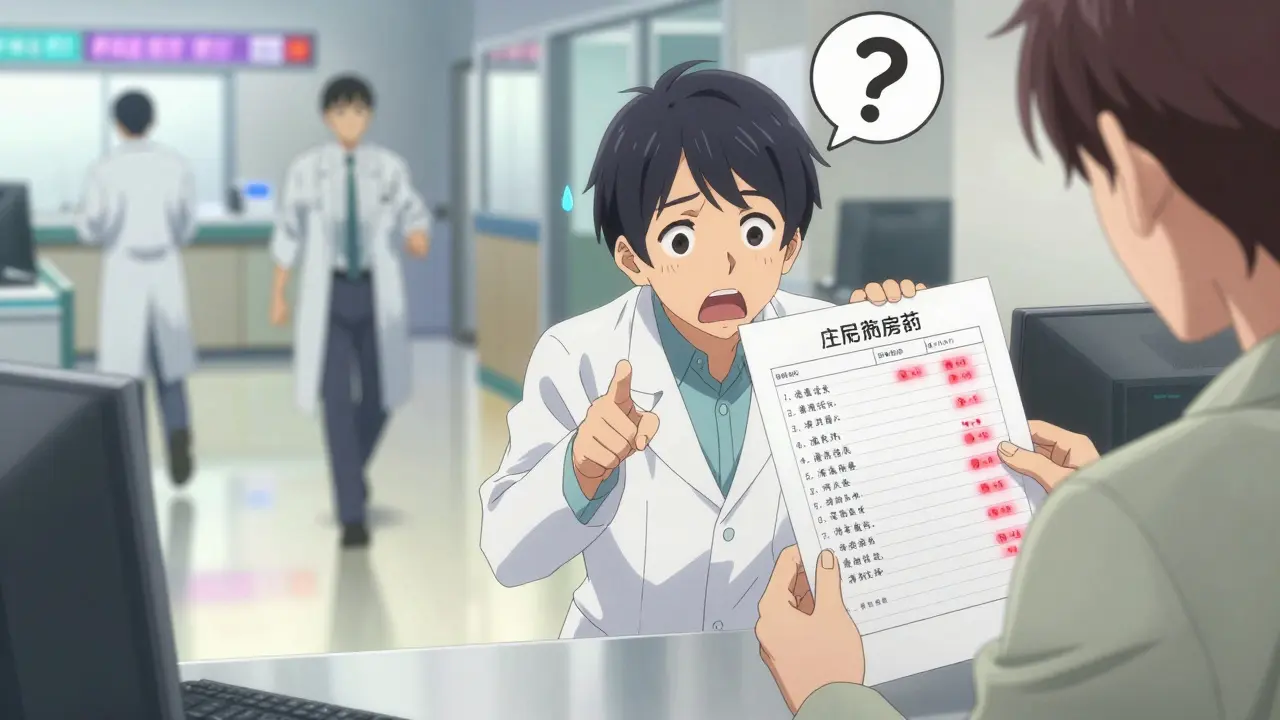
What Happens After You Get Home
The job isn’t done when you walk out the door. Check your pharmacy. When you pick up your prescriptions, compare the labels to your discharge list. Pharmacies sometimes make errors too. If the dose or name is wrong, say something. Set up a pill organizer. If you’re on five or more meds, use a weekly pill box. Fill it with help from a family member or pharmacist. Seeing the pills laid out makes it easier to spot what’s missing. Call your doctor within 7 days. Medicare and insurance companies pay for a follow-up visit called Transitional Care Management. It’s meant to include medication review. Don’t skip it. If your doctor doesn’t call you, call them. Say: “I just got out of the hospital. Can we review my meds?” Watch for red flags. New dizziness, confusion, nausea, unusual bruising, or swelling? These could be signs of a drug interaction. Don’t wait. Call your doctor or go to urgent care. Better safe than sorry.The Role of Technology-and Why It’s Not Enough
Hospitals are using electronic systems to help. Epic and Cerner now share discharge summaries automatically with outpatient clinics. Some hospitals even use AI to scan discharge notes for missed meds. One Mayo Clinic tool catches 94% of omissions. But tech can’t replace human conversation. An algorithm doesn’t know you stopped taking your statin because it gave you muscle pain last year. It doesn’t know you take ginger tea every night for digestion. It doesn’t know you’re scared of pills and skip them when you feel okay. The best systems combine tech with a pharmacist calling you 48 hours after discharge. A pilot study found this cut emergency visits by nearly 20%. But only 127 U.S. hospitals have this program. It’s expensive. It needs staff. It needs time. That’s why your role matters more than ever.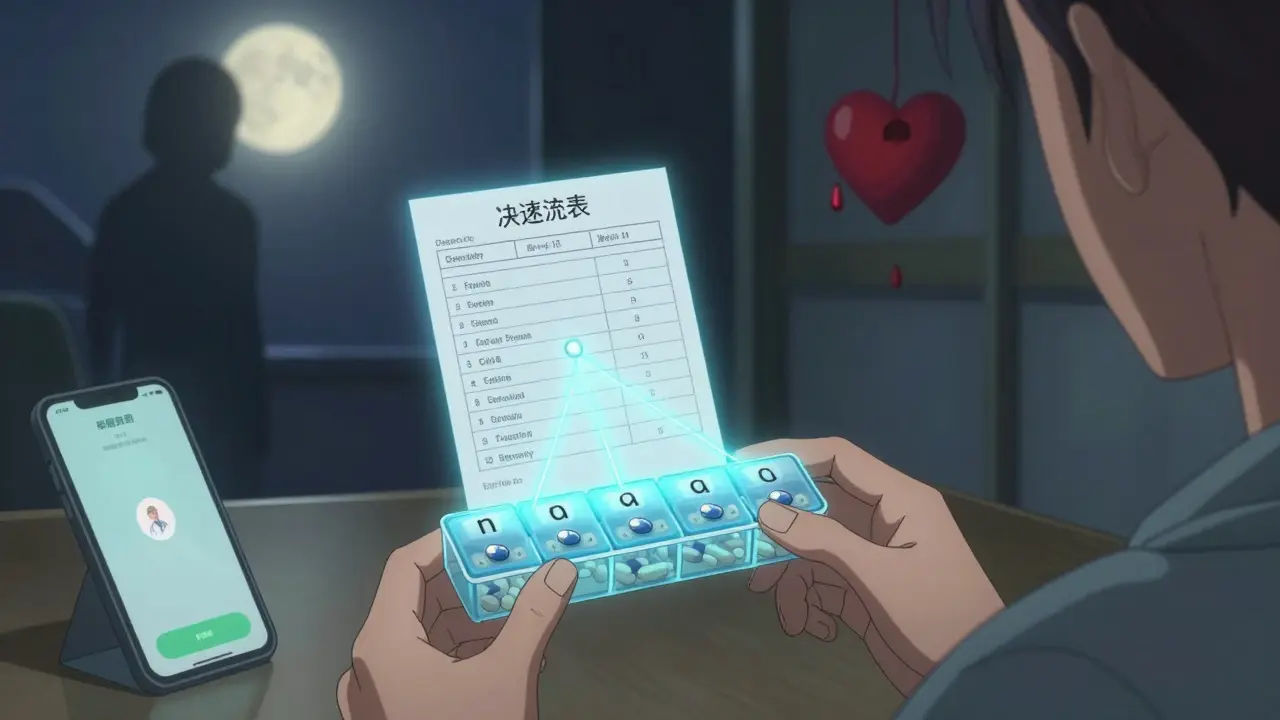
What to Do If Something Goes Wrong
If you think your meds were messed up after discharge:- Don’t stop or change anything on your own.
- Call your primary doctor or pharmacist immediately.
- Write down exactly what you were told at discharge and what you’re now taking.
- If you’re in danger-chest pain, trouble breathing, severe dizziness-go to the ER.
- Report the error to the hospital’s patient safety office. You have the right to do this.
Final Thought: This Is Your Health
Medication reconciliation isn’t just a hospital policy. It’s your right. You’ve paid for care. You’ve trusted the system. Now, you have to protect yourself. The numbers don’t lie: 836,000 adverse drug events are prevented every year in the U.S. because someone-often a patient or family member-asked the right question. You can be one of them. Don’t wait for the hospital to get it right. Get it right yourself.What is medication reconciliation and why is it important after hospital discharge?
Medication reconciliation is the process of comparing a patient’s current home medications with the medications prescribed at hospital discharge to catch errors like missing drugs, extra doses, or dangerous combinations. It’s critical because up to half of all medication errors happen during hospital transitions, and many lead to preventable readmissions or serious side effects like bleeding, kidney damage, or falls.
What are the most common medication errors after hospital discharge?
The top three errors are: 1) Omission-medications that were taken at home are not restarted (43% of cases), 2) Addition-new medications are prescribed that shouldn’t be there (25%), and 3) Dosage or timing mistakes (12%). Blood thinners, diabetes meds, and heart drugs are most often involved in serious errors.
How can I make sure my discharge medication list is accurate?
Before discharge, bring your own complete list of all medications-including vitamins, supplements, and OTC drugs. Ask for a printed copy of your new discharge list. Compare it side by side with your list. Ask: What’s missing? What’s new? What’s changed? Don’t accept verbal instructions. Get it in writing and confirm with a pharmacist if possible.
Should I rely on my pharmacy to catch mistakes?
No. While pharmacists are trained to spot interactions, they often don’t have your full medical history or know what was changed in the hospital. Always compare your pharmacy labels to your discharge list. If something doesn’t match, ask the pharmacist to verify with your doctor’s office.
What should I do if I notice a mistake after I’ve already started taking my meds?
Don’t stop or change your meds on your own. Call your primary care doctor or pharmacist right away. Explain what you were told at discharge and what you’re now taking. If you have symptoms like dizziness, confusion, unusual bruising, or trouble breathing, go to urgent care or the ER. Report the error to the hospital’s patient safety team.
Is there a follow-up visit covered by insurance after hospital discharge?
Yes. Medicare and many insurers cover Transitional Care Management visits (CPT codes 99495 and 99496), which require a medication review within 7-14 days of discharge. If your doctor hasn’t contacted you within a week, call them and ask if you qualify. This visit is meant to catch exactly the kinds of errors that lead to readmissions.
Diana Alime
December 24, 2025 AT 09:55so i got discharged last month and they gave me like 12 new pills and told me to take them all at once. no written list. just a nurse yelling across the room. now i’m dizzy and my urine looks like rust. thanks hospital.
Georgia Brach
December 25, 2025 AT 01:13The data cited here is statistically sound but fundamentally misdirected. The issue is not reconciliation-it’s systemic overprescription. Hospitals are incentivized to discharge quickly, and medication lists are bloated by profit-driven formularies. The real solution is deprescribing, not reconciliation. Patients are being poisoned by polypharmacy, not neglected by paperwork.
Bartholomew Henry Allen
December 25, 2025 AT 13:30Medication errors are a national disgrace but the solution is not more paperwork. It is mandatory certification for all discharge nurses. No more unlicensed personnel handling life critical transitions. This is not a suggestion. It is a requirement.
Katie Taylor
December 27, 2025 AT 04:54You are NOT powerless. You are the most important person on your care team. Bring your list. Ask the questions. Demand the paper. You saved your life today. Keep going. You got this.
Payson Mattes
December 27, 2025 AT 08:24Did you know the FDA secretly approves all discharge meds through a backdoor deal with Big Pharma? They don’t want you to know that 70% of new scripts are just upsells. Your blood thinner wasn’t forgotten-it was removed so they could push you into a new expensive anticoagulant. The hospital doesn’t care if you live. They care if your insurance pays.
Isaac Bonillo Alcaina
December 28, 2025 AT 23:14Most patients don’t even know what a beta blocker is. They’re not capable of managing their own meds. This whole ‘take charge’ narrative is dangerously naive. If you can’t remember if you took your pill this morning, you shouldn’t be trusted with warfarin. Someone needs to be legally responsible. Not you.
siddharth tiwari
December 30, 2025 AT 11:49india has no hospital discharge process. i got sent home with 5 pills and no instructions. my mom had to call the hospital 3 times. no one answers. everyone is busy. we are just numbers. but still we survive. somehow.
suhani mathur
December 31, 2025 AT 03:03Oh sweetie, you think this is bad? Try being discharged in India with a scrip written in Hindi and a pharmacist who thinks ‘as needed’ means ‘once a week’. At least here you get a printed list. In Delhi, you get a sticky note and a prayer.
Adarsh Dubey
January 1, 2026 AT 12:36I’ve been a nurse for 18 years. I’ve seen this happen too many times. The system is broken. But I’ve also seen patients who brought their own lists and saved lives. It’s not perfect-but it’s not hopeless. Just be the person who asks.
bharath vinay
January 2, 2026 AT 16:27They’re hiding the truth. The real reason meds get mixed up is because the hospital uses AI to cut costs. The AI doesn’t know your grandma’s herbal tea. It doesn’t know you stopped your statin because it made you cry. The algorithm is racist. It ignores the elderly. It ignores the poor. You’re not a patient. You’re a data point.
Dan Gaytan
January 3, 2026 AT 21:42This is so important 💪 I just shared this with my whole family. My dad just got out of the hospital and I’m printing out his meds list right now. Thank you for writing this. You’re helping people. Seriously. 💙
Usha Sundar
January 4, 2026 AT 04:34They gave me lisinopril and told me to take it for blood pressure. I didn’t know I had high BP. I didn’t know I was discharged. I just knew I was tired. And then I passed out.
Chris Buchanan
January 4, 2026 AT 16:04Here’s the thing: hospitals are not designed to care. They’re designed to turn beds. But YOU? You’re the only one who can flip the script. Bring your list. Ask the questions. Call your doctor. You’re not being annoying. You’re being the hero your family didn’t know they needed.
Wilton Holliday
January 5, 2026 AT 12:25I’m a pharmacist. I’ve caught 14 errors this month alone because someone compared their discharge list to the pharmacy label. You don’t need to be a doctor. You just need to be careful. One check. One question. One moment of courage. That’s all it takes.
Raja P
January 6, 2026 AT 00:20my uncle died because they forgot his insulin. they said it was an accident. i don’t believe in accidents anymore. if you’re reading this, make sure your list is real. write it down. show it to someone. don’t let it be silent.