
Hydroxyzine Cardiac Risk Estimator
Select your profile details below to calculate potential risk factors.
Low potassium or magnesium
Bradycardia, structural disease
Taking other QT-prolonging drugs
CYP2D6 poor metabolizer
Risk Assessment
The entered dosage exceeds the recommended maximum for this age group.
Recommendations:
- Select options to see recommendations.
For decades, hydroxyzine has been a go-to medication for anxiety, itching, and sleep. It’s an old drug, approved by the FDA in 1956, and many people have taken it without any issues. But there is a hidden danger that doesn’t get enough attention: hydroxyzine can disrupt your heart’s electrical rhythm. Specifically, it can cause QT prolongation, a condition where the heart takes longer than normal to recharge between beats. If this delay gets too severe, it can trigger Torsade de Pointes, a life-threatening ventricular arrhythmia that causes the heart to quiver instead of pump blood effectively.
This isn’t just theoretical. In 2015, the European Medicines Agency (EMA) reviewed safety data and confirmed that hydroxyzine carries a small but real risk of these cardiac events. As a result, they lowered the maximum daily dose for adults from higher historical amounts to 100 mg, and cut it down further to 50 mg for elderly patients. If you are taking hydroxyzine or considering it, understanding this risk is crucial for your safety.
How Hydroxyzine Affects Your Heart
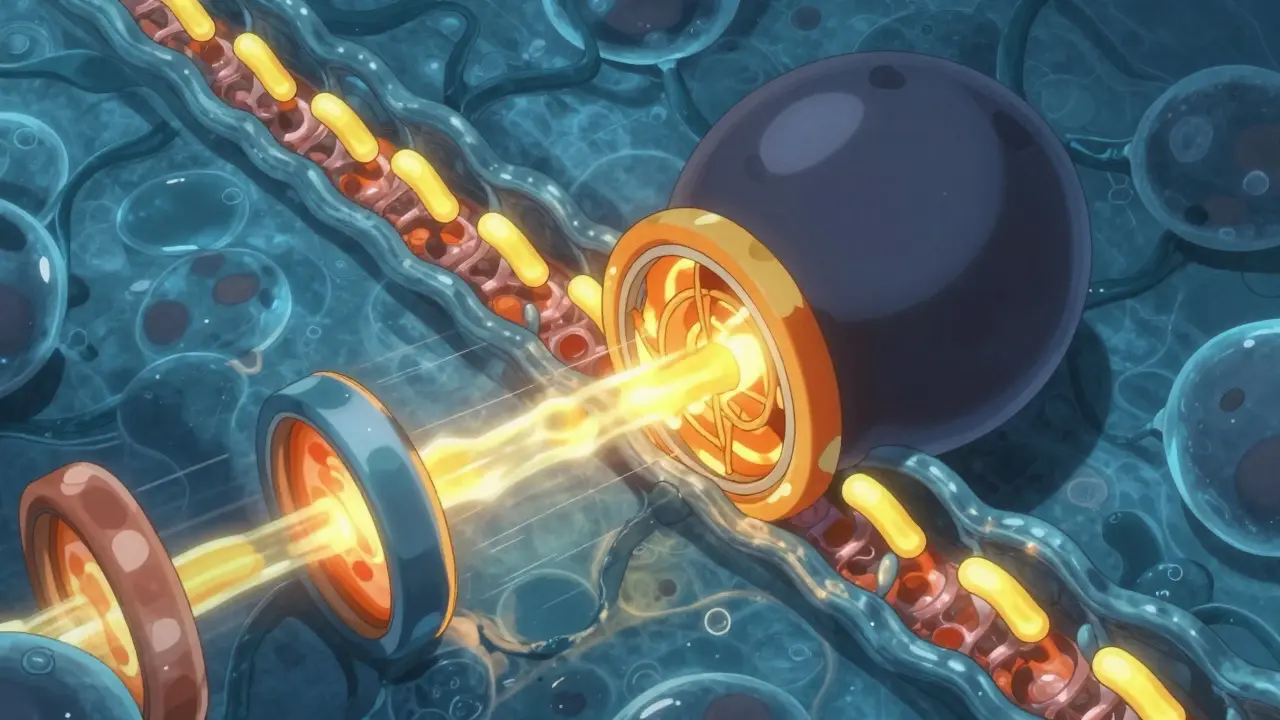
To understand why hydroxyzine poses a risk, we need to look at how your heart works on a cellular level. Every heartbeat is driven by an electrical signal. After the heart muscle contracts, it needs to reset or "repolarize" before it can beat again. This resetting process relies heavily on potassium ions flowing out of heart cells through specific channels called hERG potassium channels.
Research published in the British Journal of Clinical Pharmacology by Dr. Brian Monahan and colleagues showed that hydroxyzine binds to these hERG channels and blocks them. When these channels are blocked, potassium can’t exit the cell fast enough. This delays the repolarization phase, which shows up on an electrocardiogram (ECG) as a prolonged QT interval. Think of it like a car engine that takes too long to cool down before it can start again. If the delay is significant, the electrical system becomes unstable, leading to chaotic rhythms like Torsade de Pointes.
The key here is that this effect is concentration-dependent. The more hydroxyzine in your blood, the more likely it is to block these channels. This is why dosage matters so much. While therapeutic doses are generally safe for healthy individuals, high doses or accumulation in the body can push the risk into dangerous territory.
Who Is Most at Risk?
Not everyone who takes hydroxyzine will experience heart problems. In fact, for many healthy people with no other risk factors, the benefit often outweighs the risk. However, certain groups are far more vulnerable. You should be extra cautious if you fall into any of these categories:
- Elderly Patients: Older adults often have slower metabolism, meaning the drug stays in their system longer. The EMA specifically restricted the max dose for those over 65 to 50 mg daily because of this accumulation risk.
- Electrolyte Imbalances: Low levels of potassium (hypokalemia) or magnesium (hypomagnesemia) make the heart more susceptible to arrhythmias. Dialysis patients, for example, are frequently prescribed hydroxyzine for itching but are also prone to electrolyte shifts.
- Existing Heart Conditions: People with structural heart disease, bradycardia (slow heart rate), or a history of heart failure are at higher risk.
- Genetic Factors: Some people have undiagnosed Long QT Syndrome or genetic variations, such as being a CYP2D6 poor metabolizer, which means their bodies break down drugs more slowly, leading to higher drug levels.
- Polypharmacy: Taking other medications that also prolong the QT interval creates a synergistic effect. Common culprits include certain antibiotics (like macrolides), antifungals, and antiarrhythmics like amiodarone.
A 2022 case report in Cureus described a 68-year-old woman with no prior heart history who developed Torsade de Pointes after taking 50 mg of hydroxyzine while also on amiodarone. This highlights how dangerous combinations can be, even at moderate doses.
Safety Guidelines and Dose Restrictions
Following the 2015 EMA review, strict guidelines were put in place to mitigate these risks. If you are prescribed hydroxyzine, ensure your doctor adheres to these limits:
| Patient Group | Max Daily Dose | Key Considerations |
|---|---|---|
| Adults (18-64) | 100 mg | Standard dosing; monitor for interactions. |
| Elderly (>65 years) | 50 mg | Reduced due to slower metabolism and higher cardiac risk. |
| Children (<12 years) | 2 mg/kg/day | Calculated based on weight; never exceed adult max. |
Beyond dosage, a thorough cardiac assessment is essential before starting treatment. This typically includes checking your baseline QTc interval via a 12-lead ECG. Generally, a QTc under 450 ms for men and 470 ms for women is considered safe. If your QTc is already prolonged, hydroxyzine should likely be avoided. Additionally, doctors should check your electrolyte levels and review all current medications using resources like the CredibleMeds database, which lists hydroxyzine as having a "Known Risk of TdP."
Comparing Hydroxyzine to Other Antihistamines
If you are worried about cardiac side effects, you might wonder if other antihistamines are safer. The short answer is yes. Second-generation antihistamines like cetirizine and loratadine have minimal to no effect on the QT interval. They do not block hERG channels significantly at therapeutic doses, making them much safer options for anxiety or itching in patients with cardiac concerns.
Even among first-generation antihistamines, hydroxyzine has a slightly higher risk profile than diphenhydramine, though both carry more risk than newer alternatives. However, hydroxyzine’s risk is still lower than high-risk cardiac drugs like dofetilide. The goal isn’t to ban hydroxyzine entirely-it remains effective for acute anxiety and pruritus-but to use it wisely.
According to IQVIA data, prescriptions for hydroxyzine dropped from 18.3 million in 2014 to 12.7 million in 2022 in the U.S., reflecting growing awareness of these risks. Many clinicians are now turning to alternatives like gabapentin for itching or mirtazapine for sleep in elderly patients to avoid cardiac complications altogether.
What Should You Do?
If you are currently taking hydroxyzine, don’t panic. For most people, the benefits outweigh the risks when used correctly. However, take these steps to stay safe:
- Review Your Medications: Make sure your doctor knows every supplement and prescription you take. Ask specifically about QT-prolonging interactions.
- Monitor Symptoms: Be alert for signs of arrhythmia, such as palpitations, dizziness, fainting (syncope), or unexplained fatigue. These symptoms require immediate medical attention.
- Get Regular Check-ups: If you are on long-term therapy, ask if periodic ECGs or electrolyte tests are appropriate for your situation.
- Discuss Alternatives: If you have multiple risk factors, talk to your provider about switching to a second-generation antihistamine or a non-sedating alternative.
The era of treating hydroxyzine as a universally harmless sedative is over. By understanding the mechanism of hERG channel inhibition and respecting the dose restrictions, you can use this medication safely and effectively.
Can hydroxyzine cause a heart attack?
Hydroxyzine does not directly cause heart attacks (myocardial infarction). However, it can cause severe arrhythmias like Torsade de Pointes, which can lead to sudden cardiac arrest if not treated immediately. The primary risk is electrical instability, not blockage of arteries.
Is hydroxyzine safe for elderly patients?
It can be used, but with extreme caution. The American Geriatrics Society lists it as a potentially inappropriate medication for older adults due to cardiac and cognitive risks. The maximum dose for those over 65 is strictly limited to 50 mg per day, and it should only be used if no safer alternatives exist.
What are the symptoms of QT prolongation?
QT prolongation itself is asymptomatic and is detected via ECG. However, if it progresses to Torsade de Pointes, symptoms may include rapid or irregular heartbeat, dizziness, lightheadedness, fainting spells, or seizures. Immediate emergency care is required if these occur.
Are there safer antihistamines for anxiety?
Second-generation antihistamines like cetirizine or loratadine are safer for the heart but are less effective for anxiety because they do not cross the blood-brain barrier as easily. For anxiety, non-sedating options like SSRIs or buspirone are often preferred. If sedation is needed, doctors may consider low-dose trazodone or mirtazapine, depending on cardiac health.
Does alcohol increase the risk of hydroxyzine side effects?
Yes. Alcohol can enhance the sedative effects of hydroxyzine and may also affect heart rhythm and electrolyte balance. Combining alcohol with hydroxyzine increases the risk of respiratory depression and cardiac complications, so it is strongly advised to avoid alcohol while taking this medication.