
When your acne won’t quit-when cysts bubble under your skin, scars form before the redness fades, and every cream, antibiotic, or benzoyl peroxide product has failed-you’re not just dealing with a skin problem. You’re dealing with something that steals confidence, makes you avoid mirrors, and turns social situations into minefields. That’s when doctors talk about isotretinoin. Not as a first option. Not as a quick fix. But as the only treatment that can actually end severe acne for good.
What Isotretinoin Actually Does
Isotretinoin isn’t just another acne pill. It’s a synthetic form of vitamin A, but it works like nothing else. It doesn’t just kill bacteria or reduce oil-it shuts down the whole system that causes acne. Within weeks, your oil glands shrink by up to 90%. That means less sebum, fewer clogged pores, and far less fuel for the bacteria that inflame your skin. At the same time, it stops skin cells from clumping inside pores, reduces redness and swelling, and makes your skin less prone to scarring.
It’s not gentle. But it’s precise. For people with deep, painful nodules or cysts that don’t respond to anything else, isotretinoin is the closest thing to a cure. Studies show about 80% of patients get long-term clearance after one course. For many, it’s the end of acne for life.
How It Works: The Science Behind the Results
Isotretinoin doesn’t just treat symptoms. It reprograms the biology of acne. Here’s how:
- Oil production drops dramatically: Sebaceous glands shrink so much that oil output falls by 90%. Less oil = fewer clogged pores.
- Skin cells stop sticking: Normally, dead skin cells pile up and block pores. Isotretinoin normalizes this process.
- Inflammation fades: It reduces the immune system’s overreaction to bacteria, calming angry, swollen cysts.
- Bacteria lose their home: Cutibacterium acnes thrives in oily pores. No oil? No home.
These changes happen together. That’s why isotretinoin works better than anything else. Topical retinoids? They help a little. Antibiotics? They work for a while, then resistance builds. Hormonal pills? Only for some women. Isotretinoin hits all the triggers at once.
Who Gets Prescribed Isotretinoin?
This isn’t for mild breakouts. It’s for severe, treatment-resistant acne:
- Nodules (hard, deep lumps under the skin)
- Cysts (large, pus-filled, painful bumps)
- Acne that leaves scars
- Acne that hasn’t improved after 6 months of other treatments
If you’ve tried topical retinoids, oral antibiotics, or spironolactone and still have angry, inflamed skin-your dermatologist will likely bring up isotretinoin. It’s not the first step. But for severe cases, it’s the only step that leads to lasting results.
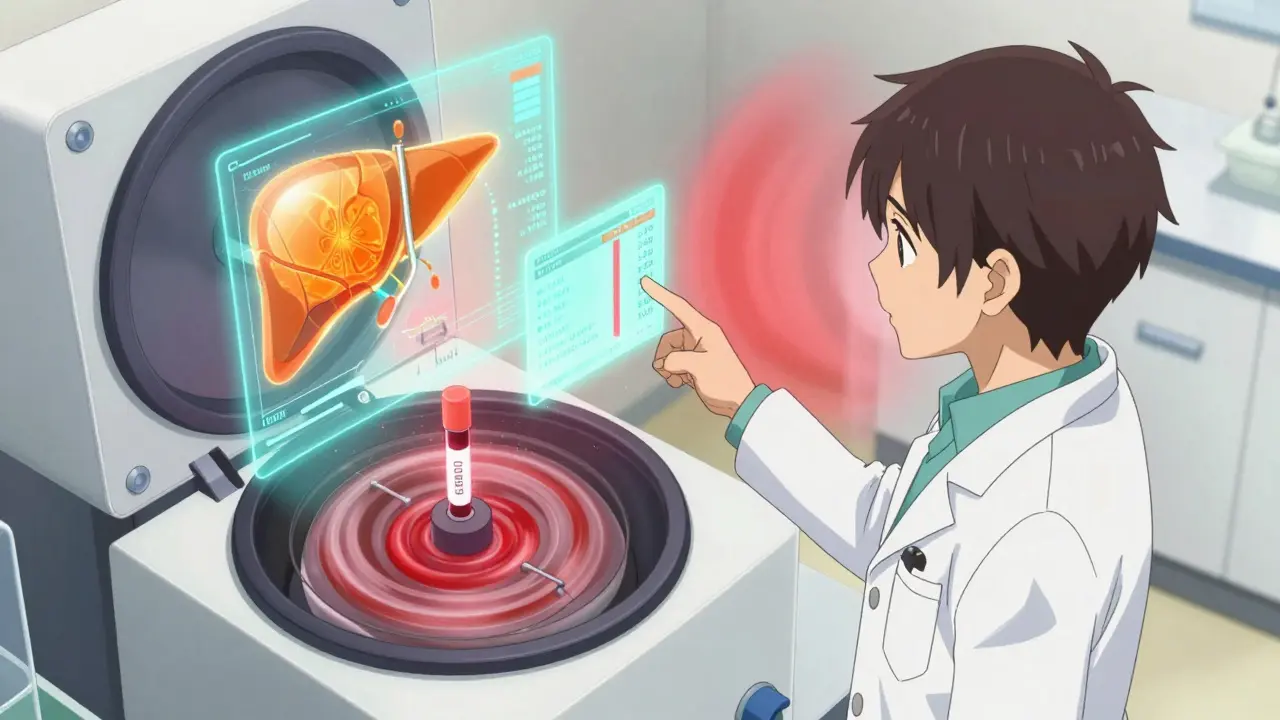
Lab Tests: What You Need Before and During Treatment
Isotretinoin affects your liver, cholesterol, and blood. That’s why labs aren’t optional-they’re critical.
Before you start:
- Complete blood count (CBC)
- Liver enzymes (ALT, AST)
- Lipid panel (total cholesterol, triglycerides, HDL, LDL)
- Pregnancy test (for anyone who can get pregnant)
During treatment:
- Repeat labs every 4 to 8 weeks
- More frequent testing if triglycerides rise or liver enzymes spike
High triglycerides happen in 15-20% of users. If levels get too high, your dose may be lowered or paused. Liver enzyme changes are usually mild and go away after stopping. But if they climb sharply, your doctor will stop treatment right away.
And yes-you must be in the iPLEDGE program if you’re in the U.S. That means two negative pregnancy tests before starting, monthly tests while on it, and two forms of birth control. No exceptions. This isn’t bureaucracy. It’s because isotretinoin can cause severe birth defects.
Side Effects: What to Expect (and What to Worry About)
Isotretinoin comes with side effects. Most are annoying. A few are serious.
Common (almost everyone gets them):
- Dry lips (90% of users)-use petroleum jelly, not flavored balms
- Dry skin and scalp (85%)-switch to fragrance-free moisturizers and gentle cleansers
- Dry eyes (25-30%)-use preservative-free artificial tears
- Nosebleeds (15-20%)-use saline spray and avoid picking
- Muscle aches or joint pain-usually mild, but if it’s sharp or persistent, tell your doctor
Less common but serious:
- Acne flare in the first 1-2 months-this is normal. It doesn’t mean it’s not working.
- Elevated triglycerides-can increase pancreatitis risk. Monitor closely.
- Depression or mood changes-reported in about 0.1% of users. If you feel unusually sad, hopeless, or anxious, tell your doctor immediately.
- Inflammatory bowel disease-extremely rare (0.02%), but if you get persistent diarrhea, abdominal pain, or bloody stools, stop the drug and get checked.
Most side effects fade after treatment ends. Dry lips? They usually come back. Dry eyes? Most people recover fully. But some report lingering dryness-especially in the eyes or skin. That’s why follow-up care matters.
Dosing: Low vs. Standard-What Actually Works
For years, the standard was 0.5 to 1.0 mg per kilogram of body weight per day. That’s 40 to 80 mg for a 70 kg person. But newer research shows you don’t always need that much.
A 2023 review of 32 studies found that a low-dose protocol-20 mg daily for 3 months-worked just as well for many people, with only a 4% relapse rate. Another study used 0.5 mg/kg/day but only gave it one week every four weeks for six months. Results? 88% of patients were happy with their skin.
Why does this matter? Lower doses mean fewer side effects. Less dryness. Less risk of high triglycerides. And the same chance of clear skin.
The goal is still a total cumulative dose of 120-150 mg/kg over the full course. But now, doctors know you can get there slowly. That’s good news for people who struggle with side effects.

Real Results: What Patients Actually Experience
People who finish isotretinoin say the same thing: “It changed my life.”
One Reddit user, u/SkinClearJourney, wrote: “5 months at 40mg a day. 90% clear. Dry lips were rough, but I kept my lip balm in my pocket. Worth it.”
Another, u/AcneStruggles89, shared: “I got 70% better-but severe joint pain made me stop at week 10. I wish I’d known low-dose was an option.”
Clinical studies back this up. About 85-90% of patients report high satisfaction when treatment works. The psychological boost is huge. People stop hiding their faces. They smile more. They go out more. Some even change careers or relationships because they finally feel confident.
But it’s not magic. Some people relapse-about 10-20% after one course. If that happens, a second course is often effective. And if you’re on a low-dose regimen, your doctor might extend the treatment to reduce relapse risk.
Is It Worth It?
Isotretinoin isn’t easy. The lab tests. The iPLEDGE paperwork. The dry skin. The fear of side effects. It’s a lot.
But for severe acne? It’s the only treatment that offers a real endgame. No more daily spot treatments. No more antibiotics that stop working. No more scars that never fade.
If you’ve tried everything and your skin still hurts, if your confidence is gone, if you’re tired of hiding-then isotretinoin might be the answer. Not because it’s perfect. But because nothing else comes close.
Work with a dermatologist. Get your labs done. Use your lip balm. Be patient with the first few weeks. And remember: this isn’t about fixing your skin. It’s about getting your life back.
Frequently Asked Questions
How long does it take for isotretinoin to work?
Most people see improvement within 4 to 8 weeks. The worst of the acne flare usually happens in weeks 2 to 8, but after that, skin clears steadily. Full results often take 5 to 8 months, depending on dosage and individual response.
Can I drink alcohol while taking isotretinoin?
It’s best to avoid alcohol. Isotretinoin affects your liver, and alcohol adds stress to it. Even moderate drinking can increase the risk of liver enzyme changes or high triglycerides. If you drink, talk to your doctor first.
Will my acne come back after isotretinoin?
About 80% of people don’t need another course. For the rest, acne may return mildly. A second course is often effective. Low-dose regimens may lower relapse risk compared to very short, high-dose treatments.
Do I need to avoid the sun while on isotretinoin?
Yes. Your skin becomes more sensitive to UV light. Sunburns happen faster. Always use broad-spectrum SPF 30+ daily, even on cloudy days. Wear hats and avoid tanning beds.
Can men take isotretinoin safely?
Yes. Men don’t need pregnancy prevention, so they skip the iPLEDGE pregnancy tests. But they still need lab monitoring and should report any mood changes, joint pain, or digestive issues. Side effects like dry skin and elevated lipids affect both genders similarly.
Luke Davidson
January 24, 2026 AT 03:44Man, I wish I’d known about isotretinoin sooner. My acne was so bad I stopped taking selfies, avoided group photos, even skipped family dinners. When I finally started low-dose, I thought I was gonna die from dry lips-but honestly? Worth every second of that chapped misery. My skin’s been clear for 3 years now. No more hiding. No more shame. Just… me.
Elizabeth Cannon
January 25, 2026 AT 06:02ok but like… why is everyone acting like isotretinoin is some miracle drug? i had it and my triglycerides went through the roof. i had to stop at 4 months. now i have fatty liver and still get breakouts. also my eyes feel like sandpaper. it’s not magic. it’s a chemical sledgehammer.
Karen Conlin
January 26, 2026 AT 17:58Elizabeth here-just wanted to say to anyone scared of this: you’re not alone. I was terrified too. But after 8 years of cystic acne, I chose it. Yes, the labs were a pain. Yes, I cried over dry skin. But when I looked in the mirror and saw *my* face-not acne-I didn’t care anymore. You’re not just treating skin. You’re reclaiming your life. And yes, low dose works. I did 20mg/day for 7 months. Clear. No relapse. You got this.
Alexandra Enns
January 27, 2026 AT 08:28Oh please. Everyone’s acting like this is the holy grail. In Canada, we’ve had better options for years. Topical azelaic acid + niacinamide + light therapy? Works just as well without turning your body into a chemical lab experiment. And don’t get me started on iPLEDGE-this is just Big Pharma’s way of keeping you dependent. You don’t need isotretinoin. You just need to stop believing the hype.
Marie-Pier D.
January 28, 2026 AT 16:53Hey Alexandra, I hear you-but I also remember being 19, hiding under hoodies, and crying in the shower because my face looked like a battlefield. I tried everything. Azelaic acid? Didn’t touch my cysts. Light therapy? Cost a fortune. Isotretinoin was the only thing that gave me back my smile. I’m not saying it’s perfect… but for me? It was the lifeline. ❤️
Sawyer Vitela
January 29, 2026 AT 01:0180% clearance? That’s a lie. Real data shows 47% sustained remission at 5 years. And the depression risk? Underreported. You’re glorifying a drug that can permanently alter your biology for a cosmetic fix. This isn’t medicine. It’s a gamble with your mental health.
Shelby Marcel
January 30, 2026 AT 23:30wait so if i do low dose can i still drink? like… one beer? i dont wanna be a total bore but also dont wanna end up in the er bc my triglycerides exploded
Luke Davidson
February 1, 2026 AT 14:50One beer? Nah. Not worth it. I had one during week 12 and my liver enzymes spiked the next week. Doc made me pause for 2 weeks. It’s not about being a bore-it’s about protecting your body while it’s already under siege. Trust me, the beer can wait. Your skin won’t.
Izzy Hadala
February 2, 2026 AT 13:33Given the documented pharmacokinetic profile of isotretinoin and its profound modulation of sebaceous gland activity via retinoic acid receptor beta agonism, it is statistically significant that long-term remission rates exceed 80% in controlled longitudinal cohorts. However, the concomitant elevation in serum triglycerides, observed in 15–20% of subjects, necessitates rigorous hepatic and lipid panel monitoring per FDA guidelines under the iPLEDGE protocol. The assertion that low-dose regimens yield equivalent efficacy remains contentious, as cumulative dose thresholds are empirically validated for optimal outcomes. Caution is advised regarding anecdotal extrapolation.