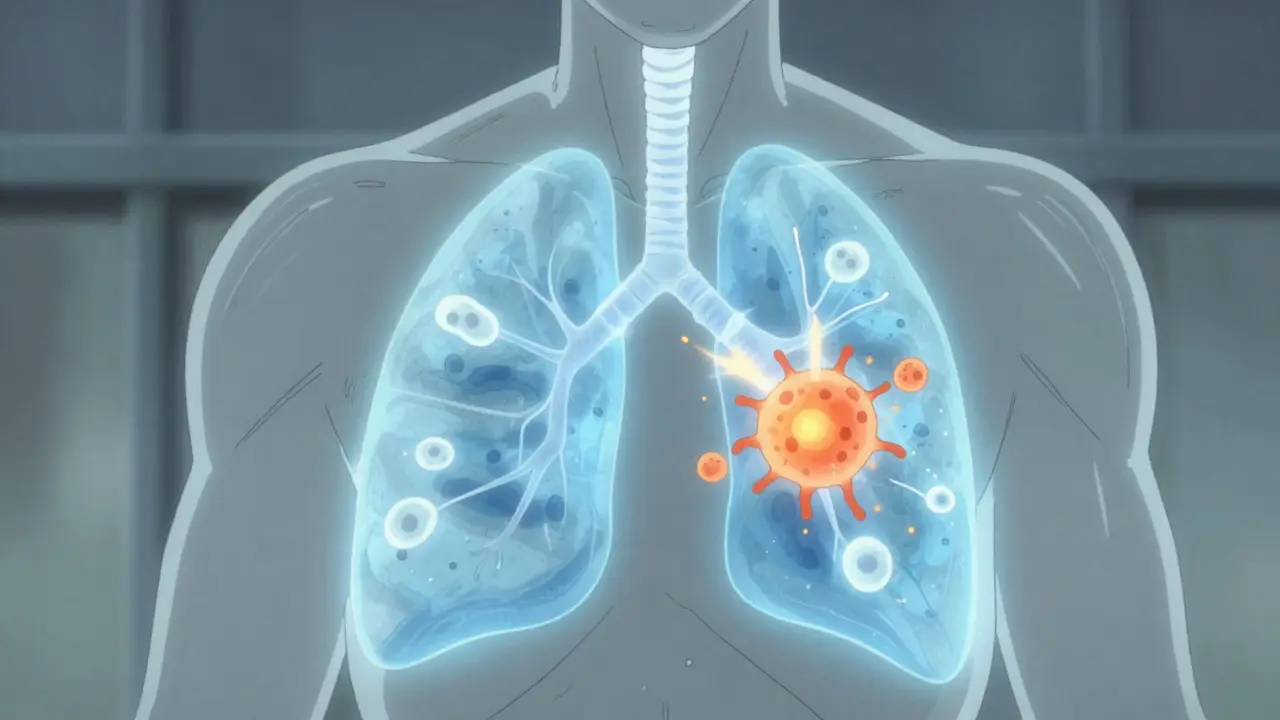
You might feel fine on the surface, but your lungs could still be fighting a battle you can't see. For many people who survived COVID-19 is a viral respiratory illness caused by SARS-CoV-2 that has led to widespread long-term health complications globally, the infection didn't end when the fever broke or the positive test turned negative. Research from 2025 reveals that approximately one-third of all Long COVID is a condition characterized by persistent symptoms lasting weeks or months after initial SARS-CoV-2 infection cases involve significant pulmonary complications. These aren't just minor coughs; they represent deep-seated changes in how your lungs function, often invisible to standard medical tests.
The Hidden Damage: Why Your Lungs Still Hurt
Why do some people struggle to breathe months or even years after recovering? The answer lies in the smallest parts of your respiratory system. Traditional chest X-rays and CT scans are great at spotting pneumonia or large tumors, but they miss what happens in the tiny airways where oxygen actually enters your blood. Dr. Don Sin’s team at the Centre for Heart Lung Innovation (HLI) in Vancouver discovered that the real culprit is often neutrophilic inflammation is an immune response involving neutrophils that persists in small airways after viral clearance, causing tissue damage.
Think of neutrophils as your body's first responders. They rush in to fight the virus, acting like 'dirty bombs' that release enzymes to kill pathogens. In most cases, they clean up and leave. But in Long COVID patients, these cells stay behind, continuing to trigger an immune response long after the virus is gone. This persistent inflammation damages the delicate walls of the small airways, leading to gas exchange abnormalities. You might not feel pain, but your body is struggling to get enough oxygen with every breath, leading to fatigue and shortness of breath during simple activities.
Post-COVID Pulmonary Fibrosis: Scarring That Stays
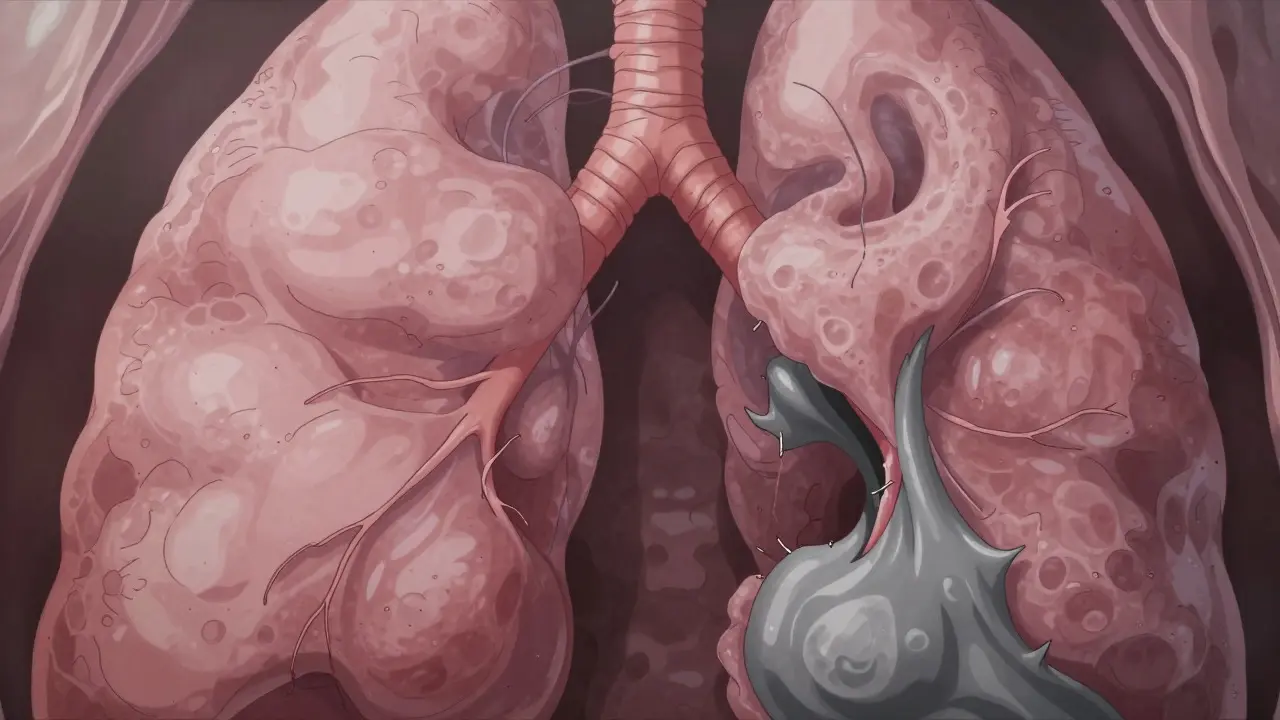
For some survivors, the damage goes beyond inflammation and leads to permanent scarring. This condition, known as Post-COVID-19 Pulmonary Fibrosis (PCPF) is permanent scarring of lung tissue following severe SARS-CoV-2 infection, affecting approximately 12.6% of hospitalized patients, represents a serious long-term complication. A comprehensive South Korean study of over 5,700 hospitalized adults found that 12.6% developed fibrotic changes visible on follow-up CT scans at least one month after recovery.
Fibrosis is essentially scar tissue replacing healthy, stretchy lung tissue. Imagine trying to breathe through a stiff, rubbery balloon instead of a soft, flexible one. This reduces your lung capacity and makes it harder for oxygen to pass into your bloodstream. The risk isn't evenly distributed. Patients who required intensive care during their acute infection are at higher risk, though interestingly, those who needed mechanical ventilation didn't show a significantly higher predictor of altered diffusion capacity compared to those receiving less intensive care, according to data from the Lung Foundation Australia review. What matters more is the severity of the initial lung injury and individual biological responses.
| Patient Group | Risk of Persistent Breathlessness | Likelihood of Fibrosis (PCPF) | Key Indicator |
|---|---|---|---|
| Hospitalized Patients | 2.60x Higher Risk | 12.6% | mMRC Score ≥2 at 1 month |
| Outpatient/Mild Cases | Baseline Risk | <1% | Normal Lung Function Tests |
| COPD + COVID-19 | Significantly Elevated | Higher Exacerbation Rate | Increased Mortality (4.6%) |
Advanced Diagnostics: Seeing the Invisible
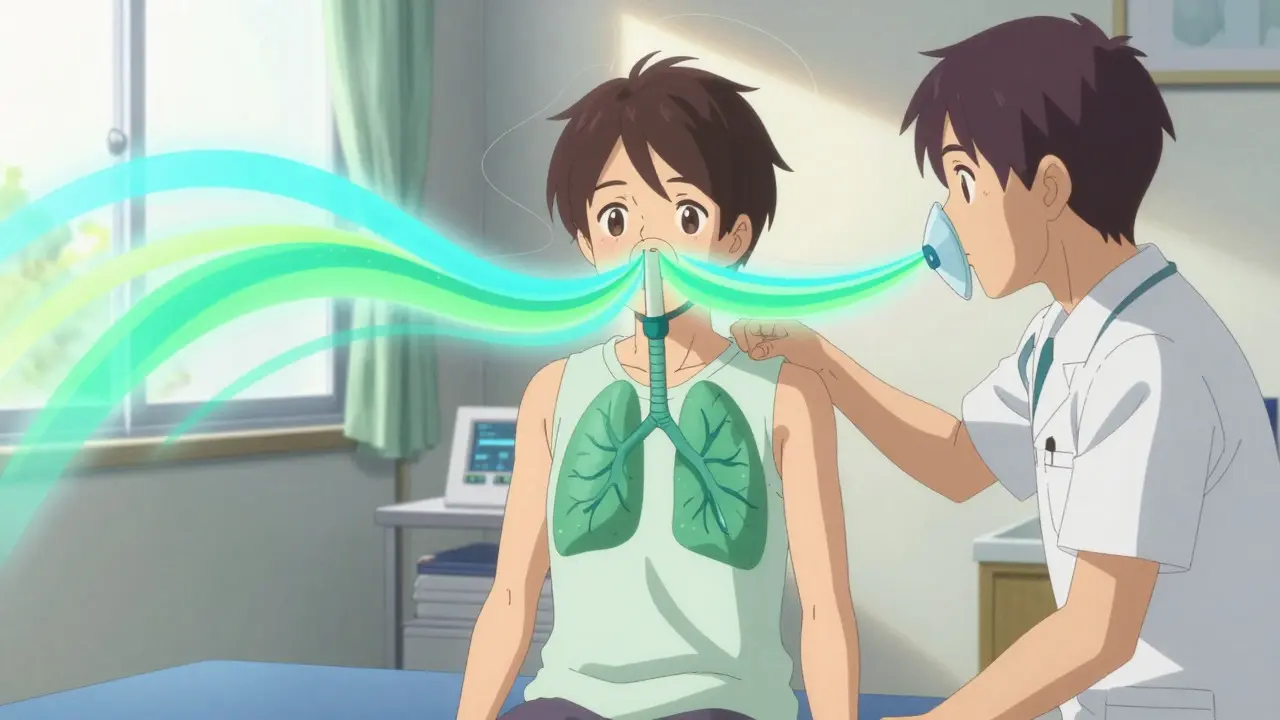
If standard tests don't show the problem, how do doctors know what's going on? The breakthrough comes from Hyperpolarized Xenon MRI is an advanced imaging technique using xenon gas to visualize oxygen transfer in small airways undetectable by conventional CT scans. Unlike traditional imaging that looks at structure, this technology lets us see function. By inhaling hyperpolarized xenon gas, patients allow researchers to track exactly how oxygen moves through their lungs.
This method revealed four distinct clusters of pulmonary Long COVID based on different gas exchange abnormalities. It showed that even when lung volume appears normal on a CT scan, the efficiency of oxygen transfer can be severely compromised. Dr. Sin noted that this technology "lets us see beneath the surface," identifying problems in the small airways that were previously hidden. As this diagnostic tool becomes more available at centers like Duke University and the University of Kansas Medical Center, we expect more accurate diagnoses for patients who have been told their lungs look "fine" despite feeling terrible.
Rehabilitation: Rebuilding Lung Capacity
Diagnosis is only half the battle. The good news is that structured pulmonary rehabilitation is a multidisciplinary program including breathing exercises, aerobic conditioning, and strength training to improve lung function and quality of life can make a significant difference. Programs typically begin after the acute phase (minimum 4 weeks post-infection) and run for 8-12 weeks, with sessions 2-3 times weekly. These aren't generic gym workouts; they are tailored protocols designed to rebuild endurance without triggering post-exertional malaise (PEM).
Research shows measurable improvements in key metrics. Participants in multidisciplinary programs saw increases in Forced Expiratory Volume in one second (FEV1) and diffusion capacity. More importantly, they reported reduced dyspnea (shortness of breath) and improved 6-minute walk distances. For patients with pre-existing conditions like Chronic Obstructive Pulmonary Disease (COPD) is a group of lung diseases causing airflow obstruction and breathing difficulties, exacerbated by SARS-CoV-2 infection, the stakes are higher. COPD patients who contracted COVID-19 faced a 4.6% mortality rate compared to 0% for non-COVID COPD patients, along with nearly double the frequency of annual acute exacerbations. Their rehabilitation requires modified protocols with closer monitoring due to these elevated risks.
Early Warning Signs and Monitoring
How do you know if you're at risk for long-term lung issues? Clinicians use the mMRC dyspnea scale as an early warning indicator. If your score is 2 or higher at one-month follow-up-meaning you get short of breath walking on level ground or hurrying-you have a 1.49 times higher odds of developing residual respiratory dysfunction. This simple self-assessment tool helps identify who needs intensive rehabilitation sooner rather than later.
Another practical measure is the 30-second sit-to-stand (30STS) test. The RECOVER Initiative found that people with burdensome Long COVID symptoms performed fewer repetitions, indicating measurable functional limitations directly tied to pulmonary complications. Tracking your own progress with these simple tools can help you and your healthcare provider adjust your rehabilitation plan effectively.
Future Treatments and Therapies
The landscape of treatment is evolving rapidly. Current research focuses on targeted anti-inflammatory therapies that address the root cause: persistent neutrophil activity. Clinical trials planned for 2026 aim to test drugs that specifically calm this immune overreaction in the small airways. Additionally, studies suggest that early antiviral treatments like remdesivir may reduce the risk of developing PCPF, while certain immunosuppressants like baricitinib might increase it, highlighting the importance of precise medication choices during acute infection.
As the American Thoracic Society and European Respiratory Society finalize specialized guidelines in late 2025, patients will have clearer pathways for diagnosis and care. The goal is to move from reactive management to proactive prevention of lung damage, ensuring that survival means truly living well again.
Can lung damage from COVID-19 heal completely?
Many patients experience significant improvement over six months with proper rehabilitation. However, about 12.6% of hospitalized patients develop permanent fibrotic changes (scarring). While scar tissue doesn't disappear, lung function can often be optimized through exercise and therapy, allowing for a near-normal quality of life.
What is the best test for detecting Long COVID lung issues?
Standard CT scans often miss small airway damage. Hyperpolarized Xenon MRI is currently the most advanced diagnostic tool, visualizing gas exchange abnormalities that traditional imaging cannot detect. It identifies functional problems in the smallest airways where inflammation persists.
How soon should I start pulmonary rehabilitation?
Rehabilitation typically begins after the acute phase, which is a minimum of 4 weeks post-infection. Starting too early can worsen symptoms, especially if you have post-exertional malaise. A structured program lasts 8-12 weeks with sessions 2-3 times per week.
Are people with COPD at higher risk for severe lung damage?
Yes. COPD patients who contract COVID-19 face significantly higher mortality rates (4.6% vs 0%) and increased frequency of acute exacerbations. They require modified rehabilitation protocols with closer medical monitoring due to their compromised baseline lung health.
What does a high mMRC score mean?
An mMRC dyspnea score of 2 or higher at one month post-recovery indicates you get short of breath walking on level ground. This is a strong predictor (OR 1.49) of residual respiratory dysfunction and suggests you may need more intensive pulmonary rehabilitation.