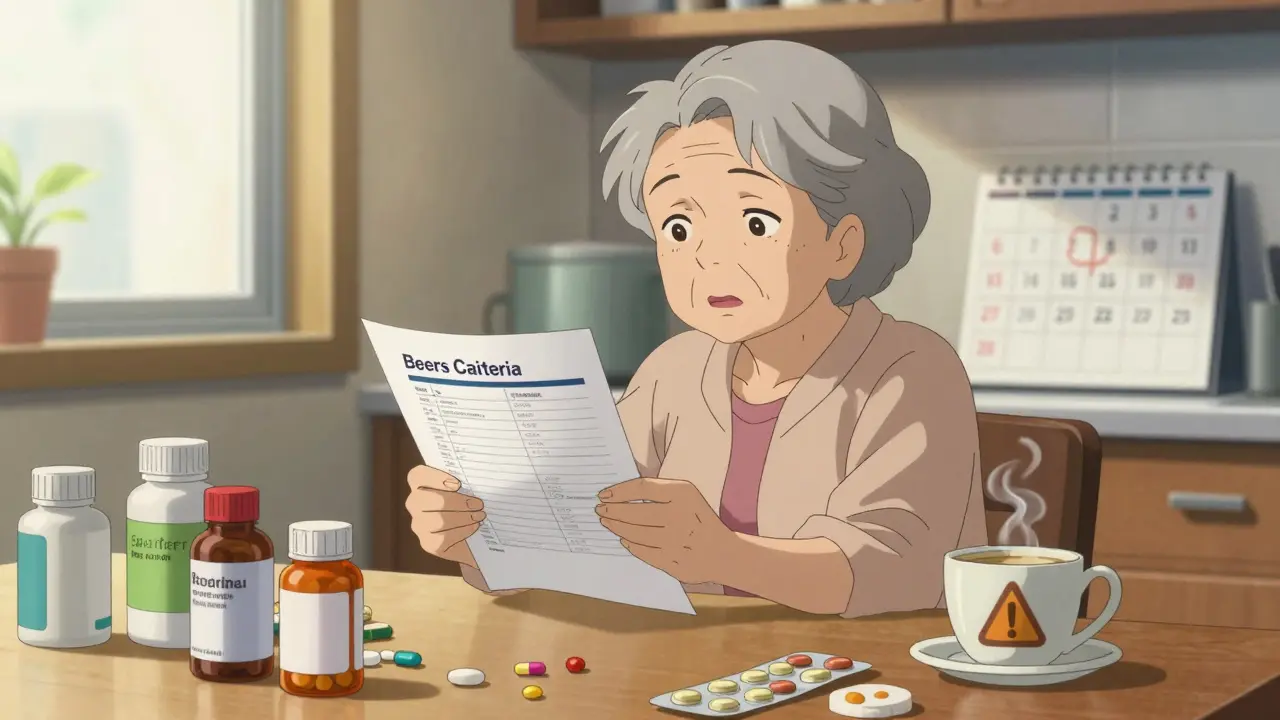
Every year, tens of thousands of seniors end up in the hospital not because of a fall, stroke, or heart problem-but because of a medication they were told was safe. In fact, high-risk medications are one of the leading causes of preventable hospitalizations in people over 65. The good news? Many of these risks are avoidable. The key is knowing which drugs to question, when to review them, and what safer options exist.
Why Seniors Are at Higher Risk
As we age, our bodies change in ways that make medications behave differently. The liver and kidneys don’t process drugs as efficiently. Muscle mass decreases, fat increases, and the brain becomes more sensitive to sedatives. These changes mean a dose that was fine at 50 might be dangerous at 75.On top of that, many older adults take multiple medications-sometimes five, ten, or more. This is called polypharmacy. According to the CDC, about 40% of seniors take five or more prescription drugs. Each extra pill increases the chance of dangerous interactions, side effects, or confusion. A 2022 study found that nearly one in three hospital admissions for seniors was linked to medication problems.
The Beers Criteria: The Gold Standard for Safe Prescribing
The American Geriatrics Society (AGS) created the Beers Criteria to help doctors and pharmacists identify drugs that are more harmful than helpful for older adults. First published in 1991, it’s updated every two years. The latest version came out in May 2023. It’s not a list of banned drugs-it’s a guide to when the risks outweigh the benefits.Doctors, pharmacists, and Medicare plans use this list every day. In fact, 98% of Medicare Advantage plans use the Beers Criteria to decide which drugs to cover and under what conditions. If a drug is flagged, your doctor may need to explain why it’s still necessary.
Top 5 High-Risk Medications for Seniors (and Safer Alternatives)
Here are five of the most common high-risk drugs-and what to ask your doctor about instead.1. Zolpidem (Ambien®) and Other Sleep Pills
Many seniors turn to sleep aids like zolpidem, eszopiclone, or zaleplon. But these drugs don’t just help you sleep-they can leave you groggy, confused, or even sleepwalking the next day. Studies show they increase the risk of falls by 82%. Hip fractures from these falls can be life-changing.
Safer alternatives: Trazodone (used off-label for sleep), cognitive behavioral therapy for insomnia (CBT-I), or simple sleep hygiene changes like avoiding screens before bed and keeping a consistent schedule. CBT-I has been shown to be more effective long-term than pills-with no side effects.
2. Glyburide (Diabeta®) for Diabetes
Glyburide is an older type of diabetes medication that stays in the body too long. This makes it easy to drop blood sugar too far-especially at night. In seniors, glyburide causes severe low blood sugar (hypoglycemia) in nearly 30% of users. That’s more than double the rate of newer drugs like glipizide.
Low blood sugar can mean confusion, fainting, seizures, or even coma. The FDA added a strong warning to glyburide labels in June 2023. Many health plans, including Buckeye Health Plan, now require prior authorization before prescribing it to anyone over 65.
Safer alternatives: Metformin, GLP-1 agonists (like semaglutide), or glipizide. These drugs are less likely to cause dangerous lows and often come with extra benefits like weight loss or heart protection.
3. Diphenhydramine (Benadryl®) and Other Anticholinergics
You’ve probably seen diphenhydramine on the shelf labeled as "sleep aid" or "allergy relief." It’s cheap and widely available. But it’s also one of the worst offenders for seniors.
This drug blocks acetylcholine-a chemical the brain needs to think clearly. Long-term use (over 1,095 doses total) increases dementia risk by 54%, according to a major study in JAMA Internal Medicine. Even short-term use can cause dizziness, dry mouth, constipation, and urinary retention.
Safer alternatives: For allergies, try loratadine (Claritin®) or cetirizine (Zyrtec®). For sleep, avoid anticholinergics entirely. For overactive bladder, consider mirabegron instead of oxybutynin.
4. Nitrofurantoin (Macrobid®) for UTIs
This antibiotic is often prescribed for urinary tract infections. But if your kidneys aren’t working well-which is common after 65-it can build up in your lungs and cause serious, sometimes fatal, damage.
Patients with even mild kidney decline (eGFR below 60) are at 12.8 times higher risk of lung toxicity. In some cases, this leads to permanent scarring or breathing failure.
Safer alternatives: Fosfomycin, nitroxoline, or trimethoprim (if kidney function is normal). Always ask your doctor to check your kidney numbers before starting any antibiotic.
5. Alpha-1 Blockers (Doxazosin, Terazosin)
These drugs were once popular for high blood pressure and prostate issues. But they cause a sudden drop in blood pressure when standing up-called orthostatic hypotension. In seniors over 75, this happens in nearly 25% of users. That’s more than three times the rate of safer blood pressure drugs like chlorthalidone.
The result? Dizziness, fainting, and falls. One study found these drugs triple the risk of syncope (passing out) compared to other hypertension treatments.
Safer alternatives: ACE inhibitors (like lisinopril), ARBs (like losartan), or thiazide diuretics. These work just as well without the dizzying side effects.
How to Review Your Medications
You don’t need to wait for a crisis to act. Here’s how to take control:- Do a "brown bag" review: Bring all your pills, supplements, and OTC meds to your doctor or pharmacist. Don’t leave anything out-even herbal teas or CBD gummies.
- Ask about anticholinergic burden: Request a score from the Anticholinergic Risk Scale (ARS). A score above 3 means high risk. Many drugs add up-even if they seem harmless alone.
- Check for duplication: Are you taking two drugs that do the same thing? For example, one for sleep and one for anxiety that both cause drowsiness?
- Ask: "Is this still needed?" Many drugs are prescribed for short-term use but kept for years. Ask if you can try stopping one at a time.
- Use the Beers Criteria: Look up the list yourself at geriatricscareonline.org. You don’t need to be an expert to understand it.
What to Do If You’re Already Taking a High-Risk Drug
Don’t stop cold turkey. Some drugs, like benzodiazepines or long-term sleep aids, can cause seizures or severe withdrawal if stopped suddenly.Work with your doctor to taper slowly. For example:
- Reduce zolpidem by 50% every two weeks.
- Switch from glyburide to glipizide over 2-4 weeks.
- Replace diphenhydramine with a non-anticholinergic option.
Studies show that when pharmacists lead these transitions, high-risk drug use drops by over 34% in six months. Don’t be afraid to ask for a medication review appointment. Medicare covers these for beneficiaries enrolled in Medication Therapy Management (MTM) programs.

What’s Changing in 2024
New rules are pushing the system toward safer prescribing:- The CMS Innovation Center now ties 5% of Medicare Advantage bonus payments to reducing high-risk drug use.
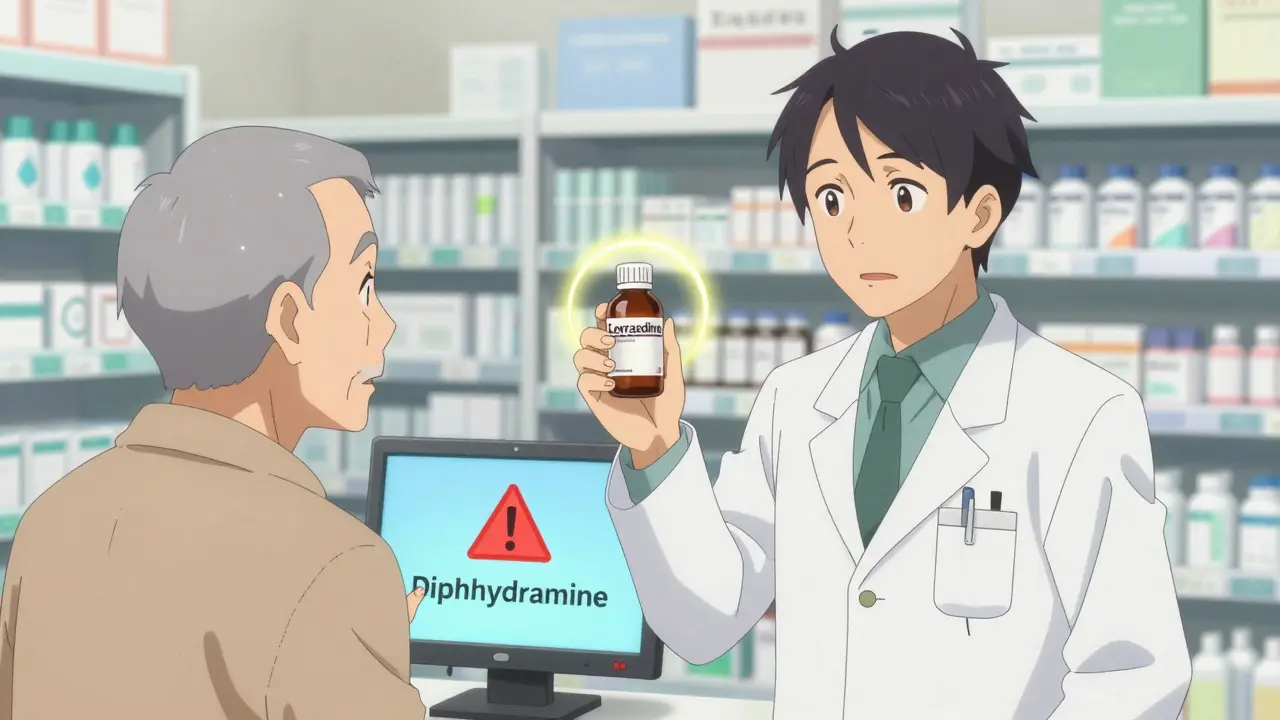
- Epic and Cerner-two of the biggest electronic health record systems-have updated their alerts to flag Beers Criteria drugs the moment a doctor tries to prescribe them to someone over 65.
- Pharmacies using Surescripts now show real-time alerts: "This drug is high-risk for seniors. Consider alternatives."
These aren’t just tech upgrades-they’re saving lives. One pilot program saw a 19% drop in dangerous prescriptions just from these alerts.
What You Can Do Today
You don’t need to be a doctor to protect yourself or a loved one. Start with this:- Make a list of every medication you take-prescription, over-the-counter, and supplements.
- Check if any are on the 2023 Beers Criteria list.
- Ask your pharmacist to run an anticholinergic burden check.
- Request a medication review during your next appointment.
- Bring this article with you. It’s a conversation starter.
Many seniors are unaware that safer options exist. One survey found that 58% of seniors using high-risk drugs had never been told about alternatives. Don’t be one of them. Your next healthy, fall-free year starts with a simple question: "Is this still right for me?"
What is the Beers Criteria and why does it matter for seniors?
The Beers Criteria is a list of medications that are generally considered risky for people aged 65 and older, updated every two years by the American Geriatrics Society. It’s based on evidence showing increased side effects like falls, confusion, kidney damage, or low blood sugar in seniors. It matters because many common prescriptions become more dangerous with age-and this guide helps doctors and pharmacists avoid prescribing them unless absolutely necessary. Nearly all Medicare Advantage plans use it to shape their drug coverage.
Can I stop taking a high-risk medication on my own?
No. Stopping certain medications suddenly-like benzodiazepines, sleep aids, or some blood pressure drugs-can cause dangerous withdrawal, seizures, or rebound symptoms. Always talk to your doctor or pharmacist first. They can help you taper off safely, often over several weeks. Many patients see better results with gradual changes than abrupt stops.
Are over-the-counter drugs like Benadryl really dangerous for seniors?
Yes. Diphenhydramine (Benadryl®) is a strong anticholinergic, meaning it blocks a brain chemical needed for memory and alertness. Even occasional use adds up. Taking it for more than a year increases dementia risk by 54%, according to a major study in JAMA Internal Medicine. It also causes dizziness, constipation, and urinary problems. Safer OTC options include loratadine for allergies or melatonin for sleep-both have minimal anticholinergic effects.
How do I know if I’m taking too many medications?
If you’re taking five or more prescription drugs, you’re in the high-risk group for polypharmacy. Signs you might be taking too much include: feeling foggy or tired most days, frequent falls, confusion, or side effects like dry mouth, constipation, or dizziness. Ask your doctor or pharmacist to review your list. They can spot duplicates, unnecessary drugs, or combinations that increase risk.
Does Medicare cover medication reviews?
Yes. If you’re enrolled in Medicare Part D and take multiple chronic condition medications, you may qualify for Medication Therapy Management (MTM). This free service includes a one-on-one review with a pharmacist who checks for interactions, side effects, and high-risk drugs. You can ask your pharmacy or Medicare plan if you’re eligible. Even if you don’t qualify, many pharmacists offer free reviews-just ask.
Prathamesh Ghodke
March 17, 2026 AT 05:56Man, I wish my dad had this info five years ago. He’s been on diphenhydramine for ‘sleep’ since 2018. Told him it was like giving your brain a slow-motion stroke. He laughed. Last month he fell, broke his hip, and now he’s in rehab. Turns out, he’s not the only one. My pharmacist showed me the Beers list - I printed it out and taped it to his fridge. Should’ve done this sooner.
Stephen Habegger
March 17, 2026 AT 09:06This is the kind of post that saves lives. Seriously. I work in geriatrics and see this every day. The real win? When families bring the list to appointments. Doctors don’t always know what’s in the medicine cabinet. A brown bag review = 10x better than any checklist.
Emily Hager
March 17, 2026 AT 13:02While I appreciate the well-intentioned nature of this article, I must express my profound concern regarding the oversimplification of complex pharmacological interactions. The Beers Criteria, while empirically derived, fails to account for individual phenotypic variability and the nuanced nature of polypharmacy in the context of multimorbidity. To suggest substitution without rigorous clinical evaluation is, frankly, reckless.
Melissa Starks
March 19, 2026 AT 12:30I’m so glad someone finally said this. My mom was on glyburide for 8 years. I didn’t know it was dangerous until I read the FDA warning. We switched to metformin and she hasn’t had a single low-blood-sugar episode since. She’s got more energy, walks every morning, and even started gardening again. I cried when she told me she felt like herself for the first time in a decade. Also - yes, Benadryl is a trap. My aunt took it for allergies and ended up in the ER with urinary retention. Don’t let ‘over-the-counter’ fool you. It’s not safe just because it’s cheap. I’m telling everyone I know.
Kal Lambert
March 20, 2026 AT 00:47Beers Criteria is gold. Used it last week with my 82-year-old uncle. Cut three drugs. One was a sleep med he’d been on since 1998. He says he sleeps better now without it. No more morning grogginess. Also - CBT-I works. No pills needed. Just consistency.
Melissa Stansbury
March 21, 2026 AT 12:57Did you know that 70% of seniors on these meds don’t even know they’re high-risk? I asked my neighbor’s daughter last week - she had no idea her grandma was on nitrofurantoin. She thought it was just a ‘bladder pill.’ That’s why we need to talk about this more. Like, everywhere. In churches, at the grocery store, on TikTok. This isn’t just medical - it’s a cultural blind spot.
cara s
March 23, 2026 AT 08:51While I am not a medical professional, I have spent considerable time reviewing the literature surrounding geriatric pharmacology, and I must say that the Beers Criteria, despite its widespread adoption, remains a contentious framework within academic circles. Some scholars argue that it is overly conservative, potentially depriving elderly patients of beneficial therapies under the guise of safety. The 2023 update, while improved, still lacks granular consideration of renal function thresholds in diverse populations. For instance, in certain Asian cohorts, the eGFR thresholds may not be universally applicable. One must approach this with nuance, not dogma.
Amadi Kenneth
March 24, 2026 AT 08:18Wait… so you’re telling me the government is pushing this because Big Pharma doesn’t want seniors to take cheap generics? That’s why they’re pushing ‘alternatives’ - because the new drugs are 10x more expensive! And don’t get me started on the EHR alerts - those are coded by tech firms who have ties to Eli Lilly. I’ve seen the documents. They’re not protecting us - they’re protecting profits. Benadryl? It’s been used for 70 years. Why are they suddenly scared? Maybe because the FDA got a $200M grant to ‘modernize prescribing’ - and guess who funded it?
Shameer Ahammad
March 26, 2026 AT 07:49It is an undeniable fact, based on empirical observation and clinical precedent, that the indiscriminate use of pharmacological agents in geriatric populations constitutes a systemic failure of medical education. The Beers Criteria, while commendable in its intent, remains insufficiently enforced. Furthermore, the proliferation of OTC anticholinergics - often marketed under misleadingly benign labels - represents a catastrophic lapse in public health policy. I have personally documented 17 cases of iatrogenic cognitive decline in my community alone. The responsibility lies not merely with physicians, but with regulatory bodies who permit such substances to remain on shelves without mandatory warning labels.
Alexander Pitt
March 27, 2026 AT 07:27One thing no one talks about: pharmacists. The real heroes. My mom’s pharmacist caught that she was getting two different sleep meds from two different doctors. One was a prescription, the other was ‘just melatonin’ - but it had diphenhydramine in it. He called both doctors, coordinated the switch, and set up a follow-up. No drama. Just good work. Ask your pharmacist for a review. They’re trained for this. And they’re not trying to sell you anything.
Manish Singh
March 28, 2026 AT 12:45As someone from India, I’ve seen this firsthand. My grandmother was on glyburide and diphenhydramine - both common here because they’re cheap. We switched her to metformin and loratadine. She’s 84 now, walks to the temple every morning, and doesn’t need help to get up from the chair. The problem isn’t just in the US. It’s global. But awareness? That’s growing. I showed this article to my cousins. They’re now talking to their parents’ doctors. Small steps. Big impact.
Nilesh Khedekar
March 28, 2026 AT 16:52Everyone’s acting like this is some new revelation. Newsflash - doctors have been overprescribing since the 90s. And now they want us to trust their ‘safer alternatives’? What about the side effects of semaglutide? Or the cost? Or the fact that most seniors can’t afford these fancy new drugs? This isn’t about safety - it’s about profit margins. And don’t even get me started on how Medicare Advantage plans use Beers to deny coverage. It’s not helping - it’s gatekeeping. I’ve been there. My uncle got denied coverage for his old meds and had to go without. He ended up in the hospital anyway. So now what? We’re just swapping one problem for another?