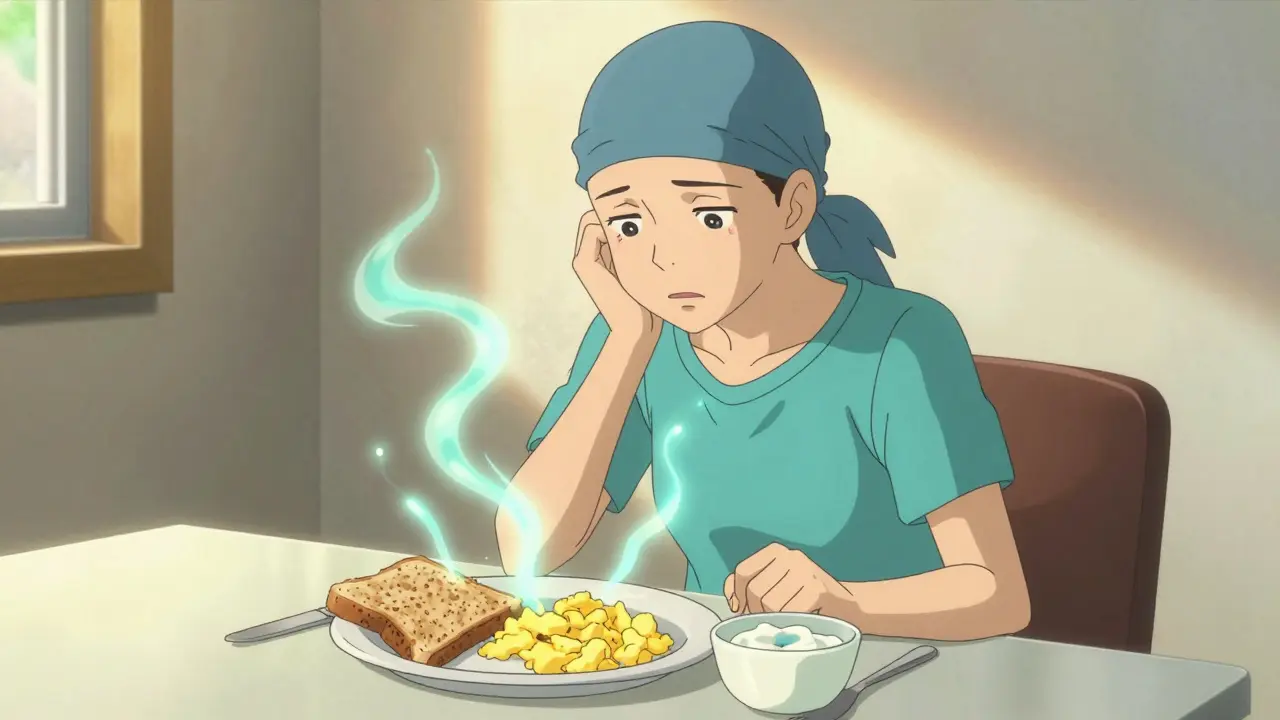
Starting chemotherapy feels overwhelming enough without worrying about what you can actually eat. You might wake up one day thinking about your next meal and realize your stomach simply refuses to keep anything down. This is common-between 60% and 85% of patients face serious nutritional issues while on cytotoxic treatments. Yet, eating the right way during this time isn't just about comfort; it is medical support that helps your body repair damage and complete treatment on schedule.
Many people assume they should stick to a general healthy diet when sick, but research shows that standard advice often backfires during active cancer therapy. Guidelines from leading organizations like the European Society for Clinical Nutrition and Metabolism (ESPEN) reveal that chemotherapy changes your body's energy demands drastically. You need more fuel, not less, even if you feel full too quickly or nauseous. Ignoring these metabolic shifts can lead to muscle wasting and treatment delays.
Why Your Nutritional Needs Change During Treatment
When you begin chemotherapy, your body enters a hyper-metabolic state. It works harder to fight the cancer and recover from the drugs' effects. A study published in 2023 noted that caloric requirements increase by roughly 20-30% compared to when you were healthy. This means if you usually consume 2,000 calories a day, you might need upwards of 2,600 just to maintain your current weight. Without extra intake, your body starts burning its own tissue for fuel.
The biggest shift happens with protein. For a healthy adult, 0.8 grams per kilogram of body weight is often sufficient. During active treatment, experts recommend pushing this target to between 1.2 and 2.0 grams per kilogram daily. Dr. Lisa C. Hutchins, a specialist in oncology nutrition, explains that this higher intake is crucial for maintaining nitrogen balance and preventing muscle loss. If you don't meet this target, recovery slows, and the toxicity of the chemotherapy feels heavier.
| Dietary Component | Standard Healthy Adult | Chemotherapy Patient (Active Treatment) |
|---|---|---|
| Protein Intake | 0.8 g/kg/day | 1.2-2.0 g/kg/day |
| Calorie Goal | 20-25 kcal/kg/day | 25-30 kcal/kg/day (+20-30%) |
| Fiber Intake | High (25g+) | Moderate/Low (10-15g) if nauseated |
| Meal Frequency | 3 large meals | 5-6 small frequent meals |
Notice how the fiber recommendation flips too. While whole grains are great for heart health, they can be heavy on a sensitive stomach. If you are struggling with bloating or diarrhea, refined grains might actually help you absorb nutrients better while reducing digestive stress. The priority shifts from long-term disease prevention to immediate survival and treatment tolerance.
Practical Strategies to Beat Nausea
Nausea is often the biggest barrier to eating enough. It doesn't just happen after a meal; strong smells or even the sight of food can trigger it. One effective tactic supported by clinical data is splitting your intake into five or six smaller meals throughout the day. Instead of trying to force down a large dinner, aim for 300-400 calories every few hours. This keeps your stomach partially full without distending it, which signals vomiting centers in the brain.
Timing your liquids matters significantly. Drinking fluids directly with a meal can make you feel overly full and nauseous. Experts suggest sipping water or broths *between* meals instead. Additionally, greasy or fried foods tend to sit poorly in the stomach, triggering nausea in nearly 73% of patients according to recent dietary studies. Stick to dry, bland carbohydrates like crackers, toast, or plain rice cakes when your appetite is low.
Cold foods often work better than hot ones because they have less aroma. Hot soup smells strongly, but a chilled smoothie or watermelon slices mask the scent until you swallow them. Ginger is another powerful ally. Keeping ginger chews handy can settle the stomach surprisingly well without affecting blood sugar too much. If solid food sounds impossible, liquid nutrition becomes vital. Protein shakes made with Greek yogurt, honey, and peanut butter provide concentrated calories and protein that are easier to tolerate than a cooked steak.

Protecting Weight and Muscle Mass
Weight loss during chemotherapy is often unintentional but rapid. Losing more than 5% of your body weight can weaken your immune system and reduce your ability to tolerate further doses. To prevent this, you need to prioritize calorie density. Since your stomach capacity is limited, every bite counts.
Add healthy fats to whatever you can eat. Stirring olive oil into soup or adding avocado to a sandwich boosts calories without increasing volume. Omega-3 fatty acids are particularly valuable. Research indicates that taking 1-2 grams of EPA/DHA daily can improve appetite in over 60% of weight-losing patients. Some studies even show an average weight gain of 2.3kg among those using omega-3 supplements compared to placebo groups.
However, supplements alone aren't always the answer due to cost or taste preferences. Homemade options are just as effective. If you find commercial drinks like Ensure too expensive, blend full-fat milk, frozen banana, nut butter, and whey powder. It costs pennies compared to pre-packaged bottles and lets you control the texture and flavor to suit your taste buds.
Kitchen Safety: Protecting Your Immune System
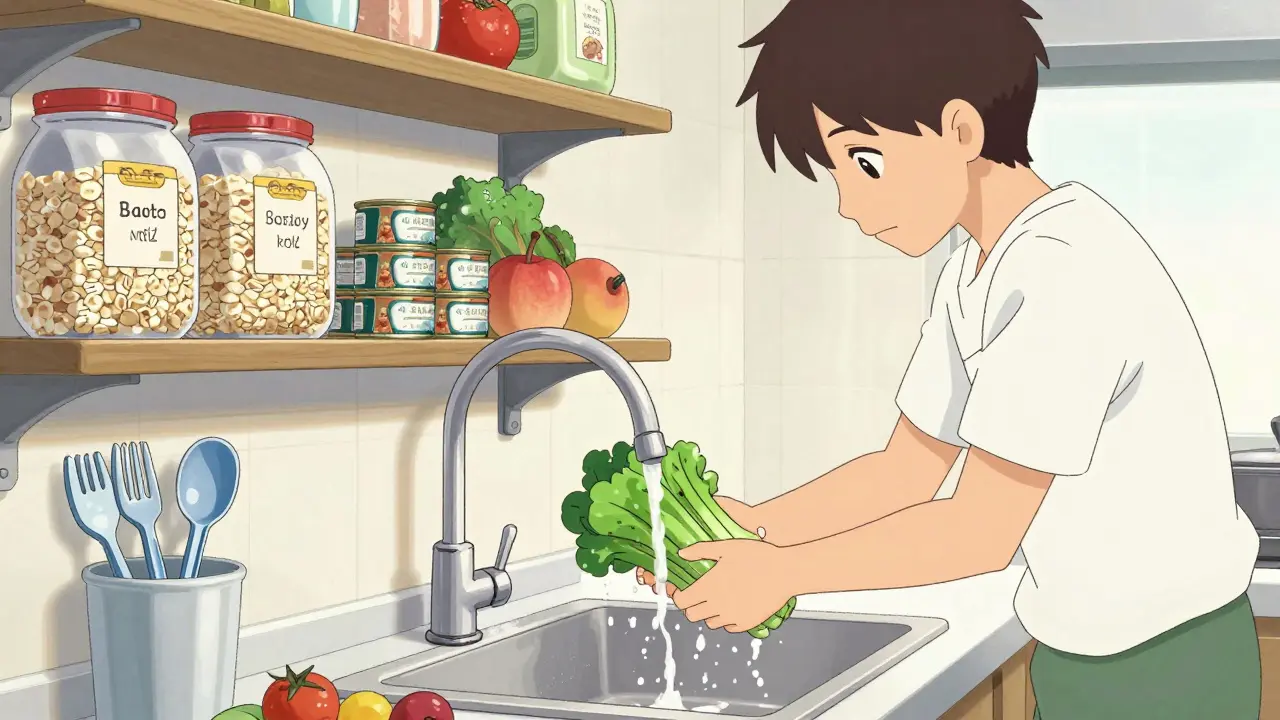
Chemotherapy lowers your white blood cell count, making normal bacteria dangerous invaders. A minor infection in your gut could cause severe complications. This makes hygiene and food preparation critical. Avoid raw meat, undercooked eggs, or unpasteurised dairy products entirely. The risk of Salmonella exists in 15-20% of immunocompromised patients consuming raw proteins.
Cook eggs until both the yolk and white are solid, reaching an internal temperature of 71°C. Wash all fruits and vegetables thoroughly, even if you peel them, to remove surface contaminants. Salad bars in restaurants or deli counters can be risky sources of cross-contamination. When possible, prepare fresh batches of food yourself rather than relying on buffets. Keep perishable items out of the "danger zone" (room temperature) and freeze leftovers immediately if you won't eat them within two days.
Cost-Effective Tips for Nutrition Support
Specialized nutrition plans can get expensive quickly. With specialty supplements costing upwards of £40 for a 12-pack, budget constraints are a real issue for many patients. There are ways to adapt these guidelines without breaking the bank. Instead of buying pre-made meal replacements, buy bulk oats, canned tuna, and frozen berries. These shelf-stable items are cheaper per serving and last longer.
If you lose your sense of taste or experience metallic bitterness (dysgeusia), try using plastic utensils instead of metal forks. The metallic taste seems to react less with plastic. Marinating meats in fruit juices or using acidic sauces like lemon or vinegar can mask unwanted flavours. These small adjustments make mealtimes less stressful and ensure you actually finish what's on your plate.
Should I force myself to eat even if I feel sick?
Not necessarily. Forcing a large meal can worsen vomiting. It is better to offer small, frequent snacks that you can tolerate. If you cannot keep food down for more than 24 hours, contact your oncology team immediately for anti-nausea medication adjustments.
Can I drink alcohol during chemotherapy?
Alcohol can irritate the lining of your mouth and stomach, which may already be sore from treatment. It also competes for liver enzymes that process the chemotherapy drugs. It is safest to avoid alcohol completely unless your doctor gives you explicit permission based on your specific regimen.
Is fasting helpful to reset my digestion?
Fasting is generally not recommended during active cycles. Your body needs constant fuel to repair cells damaged by chemo. Skipping meals can lead to muscle breakdown and dehydration. Try very small snacks instead of skipping.
What if I am gaining too much weight instead of losing it?
Steroids used alongside chemotherapy (like dexamethasone) can increase hunger and fat storage. This is different from starving. Focus on keeping protein high to build muscle rather than just storing fat, and monitor portion sizes of sugary or empty-calorie foods.
Do I still need vitamins and minerals?
Yes, but avoid megadoses. High-dose antioxidants can sometimes interfere with how chemotherapy works. A basic multivitamin is usually fine, but ask your oncologist before starting any new supplement, including herbal remedies.
Ace Kalagui
April 3, 2026 AT 05:22I read through all of this and it really resonates with what my family member went through last year. The nausea was the worst part because it made every meal feel like a battle against your own body. We found that keeping the food cold really helped with the smells hitting you less often. Small frequent meals became our routine instead of trying to force three big dinners together. It is so important to get that protein intake up even when you feel absolutely terrible. The muscle wasting is scary but manageable if you watch the numbers closely. Hydration matters just as much as the solids in terms of keeping things moving smoothly. Ginger chews were a lifesaver when nothing else wanted to stay in the stomach comfortably. We tried different flavors until we found one that didn't trigger any metallic tastes at all. Safety in the kitchen is often overlooked but cross contamination is genuinely dangerous during this time. Cooking everything thoroughly changed how much we worried about infections while eating out. Adding healthy fats to dishes boosted calories without making us feel overly full immediately. Omega-3 supplements seemed to help a bit with appetite stimulation in the middle of cycles. Liquid nutrition drinks were a backup plan when solid food felt impossible to swallow. Everyone's experience varies wildly so finding what works for your specific case takes trial and error. Supporting each other through the cooking process keeps morale up when patients lose interest in anything. Never hesitate to contact the medical team if vomiting becomes uncontrollable beyond twenty-four hours.
Beth LeCours
April 4, 2026 AT 13:31This helps explain why the weight drops so fast without trying.
angel sharma
April 4, 2026 AT 18:35We need to remember that the body is working harder than ever right now during treatment cycles. Fighting cancer requires massive amounts of energy so we cannot ignore the hunger signals completely. Every nutrient counts towards building the strength needed for the next round of therapy sessions. Muscle mass is not just vanity but essential for immune function and overall recovery speed. You have to be the champion of your own health and demand the fuel you require. Listening to experts about metabolic shifts shows us that normal rules do not apply anymore. Pushing through the nausea takes discipline but the rewards of staying on schedule are huge. Think of each meal as medicine that helps repair the damage caused by the drugs. We can win this war with the right nutritional strategy applied consistently day after day. Protein targets are higher but reaching them means staying strong for the family back home. Cold foods hide the aromas that trigger the gag reflex in many patients daily. Smoothies pack a punch without requiring much chewing or digestion effort from the system. Ginger is ancient wisdom that modern medicine is finally starting to acknowledge as valid. Stay motivated and trust the process because your body knows what it needs. Small wins every day add up to a complete victory over this difficult journey ahead.
Joey Petelle
April 6, 2026 AT 00:58Finally, someone admits that standard diet advice is utterly useless in extreme contexts like this. Who knew that refined carbs could actually be the superior choice when your gut is inflamed? It seems the whole wellness industry got it backwards for years. This chart about flipping fiber requirements is frankly revelatory for those stuck in bland hospital food loops.
Rob Newton
April 7, 2026 AT 17:05Most oncologists push hydration but ignore the timing issue entirely.
Aysha Hind
April 8, 2026 AT 02:18They say insurance rarely covers the expensive protein shakes mentioned here despite the clear medical necessity. Big pharma profits from pills while basic nutrition support remains locked behind payment barriers. Patients are left struggling to buy peanut butter while the corporation sells miracle vitamins. It feels like the system only cares about getting you to survive the dose, not thrive afterward.
Lawrence Rimmer
April 8, 2026 AT 22:09Fate dictates what survives and we merely attempt to feed the vessel holding the soul.
Dipankar Das
April 10, 2026 AT 02:55You MUST adhere strictly to the protein requirements outlined by clinical specialists. Failure to meet these targets results in catastrophic tissue breakdown. The protocol demands immediate action regarding caloric density adjustments. Hygiene standards must be elevated to military specifications to prevent infection. We cannot allow complacency to undermine the efficacy of the treatment regimen.
Branden Prunica
April 10, 2026 AT 03:11I started crying just thinking about the smell of toast triggering a panic attack. It sounds boring but losing taste sensation is heartbreaking in ways no one tells you. Then I remembered I have to live so I grabbed a spoon and a jar of honey. Survival mode changes everything you thought you loved about breakfast.
Divine Manna
April 11, 2026 AT 19:12The statement regarding internal temperature of eggs reaching seventy-one degrees Celsius is medically precise. However, the correlation between plastic utensils and dysgeusia reduction lacks robust longitudinal data. Furthermore, one should distinguish between acute nausea management and chronic metabolic adaptation phases.
The Charlotte Moms Blog
April 12, 2026 AT 04:23Risk factors! Are high! Danger zone temps! Must be avoided! Infection kills! Not just chemo! Be careful!
Sam Hayes
April 13, 2026 AT 19:47just drink smoothies instead i found that works better than solid food sometimes and skip the metal forks too
Vicki Marinker
April 14, 2026 AT 17:07Sometimes the smell of food makes me feel physically ill and nobody understands that pain deeply. It is a lonely burden when you cannot share the simple joy of a meal with others. Silence fills the kitchen where laughter used to belong before the diagnosis came.
Sakshi Mahant
April 16, 2026 AT 00:52While these tips are excellent we should also consider cultural dietary restrictions carefully for diverse patients. Some communities rely heavily on legumes which may conflict with the low fiber advice given here. Please balance universal guidelines with individual heritage preferences.
Hudson Nascimento Santos
April 16, 2026 AT 16:26Nutrition becomes a meditation on mortality when the stakes are so incredibly high. Every bite serves as a reminder of what life demands to continue existing forward.