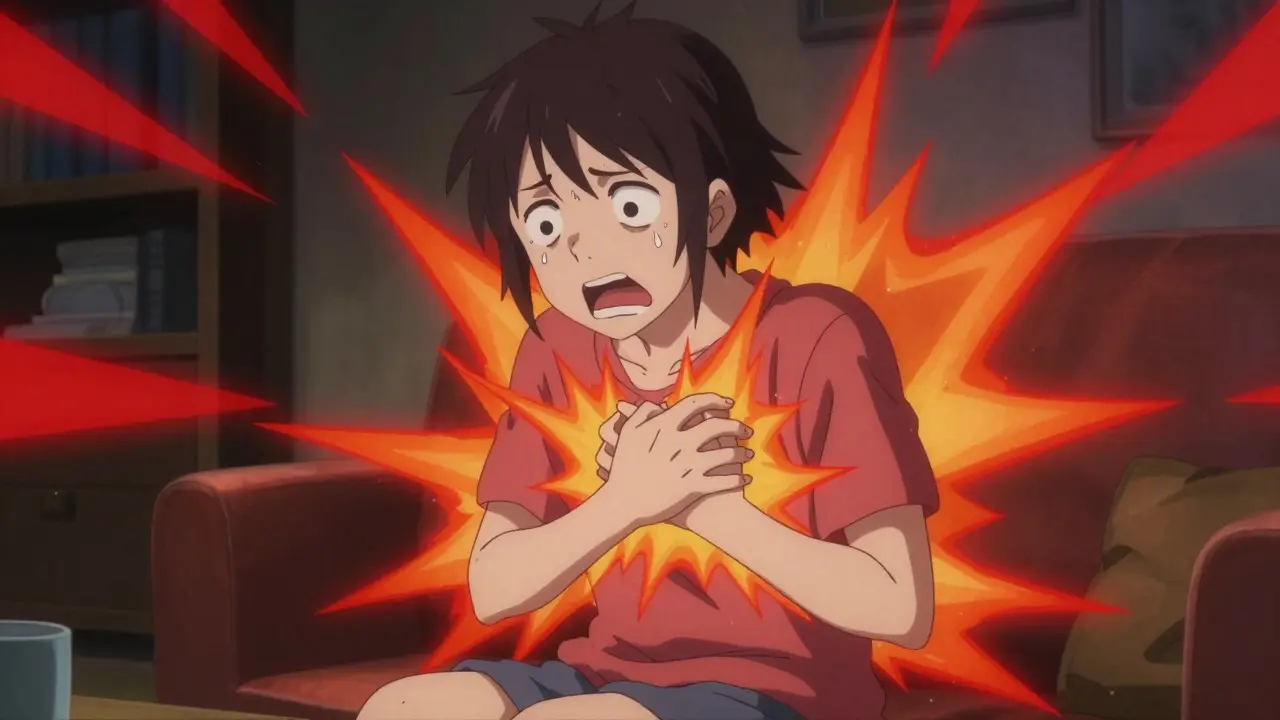
Imagine you are sitting in your living room, completely safe, when suddenly your heart starts hammering against your ribs. Your breath catches, your hands shake, and a terrifying sense of doom washes over you. You might think you are having a heart attack or losing your mind. This is not just stress; this is a panic attack, the hallmark symptom of a mental health condition characterized by recurrent, unexpected episodes of intense fear.
If this sounds familiar, you are not alone. Approximately 4.7% of adults in the United States experience panic disorder at some point in their lives. It is a treatable condition, but understanding what is happening inside your body and mind is the first step toward taking back control. Let’s break down what panic disorder is, how it connects to agoraphobia, and the proven treatments that actually work.
What Exactly Is Panic Disorder?
Panic disorder is more than just feeling anxious before a big event. It involves recurrent, unexpected panic attacks followed by at least one month of persistent worry about having another attack or significant changes in behavior related to those attacks. According to the Diagnostic and Statistical Manual of Mental Disorders (DSM-5-TR), published by the American Psychiatric Association, these attacks are abrupt surges of intense fear that peak within minutes.
The physical symptoms can be overwhelming. During an attack, your sympathetic nervous system goes into overdrive, triggering a "fight or flight" response even though there is no real danger. Common symptoms include:
- Palpitations or accelerated heart rate (reported by 98% of patients)
- Sweating and trembling
- Sensations of shortness of breath or choking
- Chest pain
- Dizziness or lightheadedness
- Fear of losing control or "going crazy"
- Fear of dying
These symptoms typically last between 5 and 20 minutes, though the aftermath can leave you exhausted for hours. The National Institute of Mental Health notes that women are affected at twice the rate of men, and the disorder often emerges in late adolescence or early adulthood, with 75% of cases appearing before age 35.
The Link Between Panic Disorder and Agoraphobia
For many people, the fear of having another panic attack leads to a secondary condition called agoraphobia. While panic disorder focuses on the attacks themselves, agoraphobia is defined by the fear or avoidance of situations where escape might be difficult or help unavailable if a panic attack occurs.
Research from the Mayo Clinic indicates that approximately 30-50% of individuals with panic disorder also develop agoraphobia. This creates a cycle of avoidance that can severely restrict daily life. Common avoided situations include:
- Public transportation (buses, trains, airplanes)
- Open spaces (parking lots, bridges)
- Enclosed places (shops, theaters)
- Crowds or standing in line
- Being outside the home alone
Over time, this avoidance can shrink your world. You might stop going to work, avoid social gatherings, or even feel trapped in your own home. The Anxiety and Depression Association of America found that 68% of respondents experienced diagnostic delays averaging 7.2 years, with many initially seeking emergency care because they believed they were having heart attacks. Recognizing that chest pain during a panic attack is a result of adrenaline, not cardiac failure, is crucial for proper diagnosis.

Why Do Panic Attacks Happen?
Panic disorder does not have a single cause. Instead, it results from a complex interplay of biological, psychological, and environmental factors.
Neurobiology: Studies show that people with panic disorder often have heightened activity in the locus coeruleus-norepinephrine system, which regulates stress responses. Neuroimaging research from the University of Pennsylvania revealed that individuals with panic disorder exhibit 25% greater amygdala activation when exposed to threat-related stimuli compared to those without the disorder. The amygdala is the brain's fear center, and in panic disorder, it seems to misfire, interpreting normal bodily sensations as life-threatening.
Genetics: Heritability estimates range from 30-48%, suggesting that genetics play a significant role. If you have a close relative with panic disorder, you are at higher risk.
Psychological Factors: Cognitive theories emphasize "anxiety sensitivity," which is the fear of anxiety-related sensations. People who believe that a racing heart means they are having a heart attack are more likely to spiral into panic. A study in Behaviour Research and Therapy found that individuals scoring high on anxiety sensitivity were 4.7 times more likely to develop panic disorder.
Environmental Triggers: Major life stressors often precede the onset of panic disorder. Longitudinal research from Harvard Medical School found that 65% of first-onset cases were preceded by significant stress events within the previous six months.
Evidence-Based Treatments That Work
The good news is that panic disorder is highly treatable. The most effective approaches combine psychotherapy and medication, tailored to your specific needs.
Cognitive Behavioral Therapy (CBT)
Cognitive Behavioral Therapy (CBT) is considered the gold standard for treating panic disorder. It demonstrates efficacy rates of 70-80% in controlled trials. CBT works by addressing two main components:
- Cognitive Restructuring: This involves identifying and challenging catastrophic thoughts. For example, instead of thinking "I am having a heart attack," you learn to recognize the thought as "My heart is racing because I am anxious, and this will pass."
- Exposure Therapy: This includes interoceptive exposure (deliberately inducing physical sensations like dizziness through spinning) and in vivo exposure (gradually confronting avoided situations). By facing these fears in a safe environment, you retrain your brain to understand that these sensations are not dangerous.
A typical CBT program consists of 12-15 weekly sessions. Data from the Beck Institute shows that 80% of patients achieve a 50% reduction in symptoms within 8-12 weeks.
Medication Options
Medications can help manage symptoms, especially in the short term or when combined with therapy.
- Selective Serotonin Reuptake Inhibitors (SSRIs): Drugs like sertraline and paroxetine are often first-line treatments. They take 8-12 weeks to reach full effect but have a low risk of dependence. Response rates are around 60-75%.
- Benzodiazepines: Medications like alprazolam provide rapid relief but carry a significant risk of dependence. The Substance Abuse and Mental Health Services Administration reports that 30-40% of long-term users develop physiological dependence. They are generally recommended only for short-term use.
Dr. Murray B. Stein, a professor of psychiatry at UC San Diego, notes that combining CBT with SSRIs produces remission rates of 85%, compared to 65-70% with either modality alone. However, Dr. David Barlow warns that relying solely on medication without addressing cognitive patterns can lead to high relapse rates once the medication is discontinued.

New Developments in Treatment
Treatment for panic disorder is evolving. Digital therapeutics are becoming increasingly common. In May 2023, the FDA cleared 'CalmWave,' a prescription-only app delivering CBT with biometric feedback, which showed 62% remission rates in clinical trials. These tools make therapy more accessible, especially for those who struggle with traditional face-to-face sessions.
Additionally, researchers are exploring precision medicine approaches. The National Institute of Mental Health is funding studies investigating biomarkers like heart rate variability and genetic polymorphisms to predict which treatments will work best for individual patients. This could soon mean more personalized and effective care plans.
Living With Panic Disorder: Practical Steps
Recovery is a journey, not a destination. Here are some practical steps to support your treatment:
- Practice Breathing Techniques: Slow, deep breathing can help counteract the hyperventilation that often accompanies panic attacks. Apps like 'Panic Relief' offer guided exercises.
- Build an Exposure Hierarchy: Work with your therapist to create a list of feared situations, ranked from least to most anxiety-provoking. Tackle them gradually.
- Maintain a Healthy Lifestyle: Regular exercise, adequate sleep, and limiting caffeine and alcohol can reduce overall anxiety levels.
- Join a Support Group: Connecting with others who understand what you are going through can reduce feelings of isolation. Online communities like Reddit’s r/anxiety can be valuable resources.
Remember, panic disorder is manageable. With the right combination of therapy, medication, and self-care, you can reclaim your life and reduce the power of panic. If you suspect you have panic disorder, consult a mental health professional for a proper diagnosis and treatment plan.
How long does a panic attack last?
Most panic attacks peak within 10 minutes and subside within 20 to 30 minutes. However, the residual effects, such as fatigue and anxiety, can last for several hours. Some individuals may experience multiple attacks in a day, leaving them feeling drained.
Can panic attacks cause heart problems?
Panic attacks themselves do not cause heart disease. However, the symptoms, such as chest pain and palpitations, can mimic a heart attack. If you have never been diagnosed with panic disorder, it is important to seek medical attention to rule out cardiac issues. Once cardiac causes are excluded, you can focus on treating the anxiety.
Is agoraphobia the same as panic disorder?
No, they are distinct but often co-occur. Panic disorder is characterized by recurrent, unexpected panic attacks. Agoraphobia is the fear of situations where escape might be difficult if a panic attack occurs. About 30-50% of people with panic disorder also develop agoraphobia, but it is possible to have one without the other.
What is the most effective treatment for panic disorder?
Cognitive Behavioral Therapy (CBT) is widely considered the most effective treatment, with success rates of 70-80%. Combining CBT with medication, particularly SSRIs, can increase remission rates to 85%. The best approach often depends on individual preferences and severity of symptoms.
Can panic disorder go away on its own?
While some individuals may experience periods of remission, panic disorder rarely resolves completely without treatment. Without intervention, the condition can lead to chronic avoidance behaviors and significantly impact quality of life. Early treatment improves long-term outcomes.
Are there natural ways to manage panic attacks?
Lifestyle changes can support formal treatment. Regular aerobic exercise, mindfulness meditation, and reducing caffeine intake can lower overall anxiety levels. Deep breathing exercises and progressive muscle relaxation techniques can help manage acute symptoms. However, these should complement, not replace, professional therapy for moderate to severe cases.
How does genetics influence panic disorder?
Genetics play a significant role, with heritability estimates ranging from 30-48%. Having a first-degree relative with panic disorder increases your risk. However, genetics are not destiny; environmental factors and learned coping strategies also heavily influence whether someone develops the disorder.
What is interoceptive exposure?
Interoceptive exposure is a technique used in CBT where patients deliberately induce physical sensations associated with panic, such as dizziness or increased heart rate, in a safe environment. This helps desensitize the patient to these sensations, reducing the fear that they signal danger.
Can digital apps help treat panic disorder?
Yes, digital therapeutics are emerging as effective tools. FDA-cleared apps like 'CalmWave' deliver structured CBT and biofeedback. Studies show these apps can improve adherence and accessibility, with some demonstrating remission rates comparable to traditional therapy. They are particularly useful for maintenance or as an adjunct to face-to-face treatment.
When should I see a doctor for panic symptoms?
You should see a doctor if you experience sudden, intense fear accompanied by physical symptoms like chest pain, shortness of breath, or dizziness, especially if this is your first episode. It is crucial to rule out medical conditions like heart problems. If you are already diagnosed, contact your provider if your symptoms worsen or current treatments are ineffective.