
That tightness in your chest isn't just a cold. It’s not just allergies either. When breathing feels like pulling air through a straw, you might be dealing with pneumonia, a serious lung infection that inflames the air sacs (alveoli) and fills them with fluid or pus. But here is the catch: "pneumonia" is a bucket term. Inside that bucket sit three very different enemies-bacteria, viruses, and fungi. Each one attacks differently, shows up with distinct symptoms, and demands a completely different treatment plan. Guessing wrong can mean taking antibiotics for a virus (which does nothing but harm your gut) or ignoring a fungal infection until it spreads.
Understanding which type you have is the difference between a two-week recovery and a trip to the ICU. Let’s break down the three main types so you know exactly what to look for and when to demand specific tests from your doctor.
Bacterial Pneumonia: The Sudden Strike
Bacterial pneumonia is the classic, textbook version of the disease. It hits hard and fast. Unlike a cold that creeps up on you over days, bacterial pneumonia often strikes overnight. One minute you feel fine; the next, you are burning up with a fever that can spike to 105°F (40.5°C).
The primary culprit here is Streptococcus pneumoniae, a bacterium responsible for the majority of community-acquired bacterial pneumonia cases worldwide. Other common offenders include Haemophilus influenzae, Staphylococcus aureus, and Mycoplasma pneumoniae (the cause of "walking pneumonia," which is milder but still bacterial).
What it looks like:
- Sudden high fever: Often exceeding 102°F (39°C).
- Productive cough: You aren’t just hacking dryly. You are bringing up sputum that is yellow, green, rust-colored, or even bloody.
- Sharp chest pain: Known as pleuritic pain, this hurts worse when you breathe deeply or cough.
- Cyanosis: In severe cases, lips or fingernails may turn bluish due to low oxygen levels.
When you get a chest X-ray for bacterial pneumonia, doctors usually see "lobar consolidation." This means one specific section (lobe) of the lung is white and solidified with infection. The immune system sends in neutrophils to eat the bacteria, creating that thick pus. Because it is bacterial, antibiotics are the cure. Penicillin, macrolides, or fluoroquinolones are typically prescribed depending on the specific bacteria and local resistance patterns.
Viral Pneumonia: The Gradual Creep
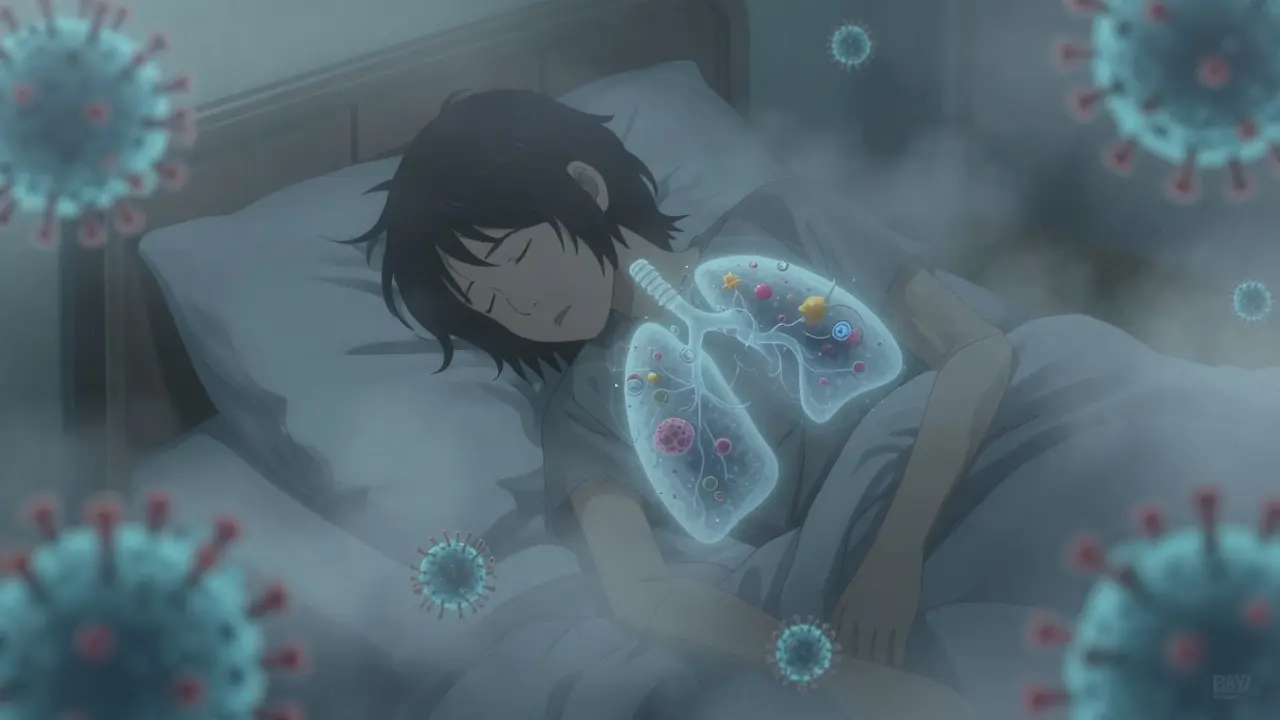
If bacterial pneumonia is a hammer blow, viral pneumonia is a slow squeeze. It accounts for about one-third of all pneumonia cases. It usually starts looking like a bad flu or a common cold. You’ll have congestion, a headache, and muscle aches for a few days before your breathing gets difficult.
The usual suspects are Influenza A and B, seasonal viruses that cause significant respiratory illness annually, Respiratory Syncytial Virus (RSV), a common respiratory virus affecting infants and older adults, and SARS-CoV-2, the virus causing COVID-19, known for severe lower respiratory complications. Rhinovirus and parainfluenza can also play a role.
What it looks like:
- Gradual onset: Symptoms worsen over 3-5 days rather than hitting all at once.
- Dry cough: You might cough up small amounts of clear or white mucus, but it’s rarely the thick, colored gunk seen in bacterial cases.
- Systemic fatigue: Extreme weakness and body aches are prominent.
- Bilateral involvement: On an X-ray, the infection usually affects both lungs evenly, showing diffuse interstitial infiltrates rather than a single solid block.
Here is the critical rule: Antibiotics do not work on viruses. Taking them for viral pneumonia offers zero benefit and contributes to antibiotic resistance. Treatment is supportive: rest, fluids, and oxygen if needed. For influenza, antivirals like oseltamivir (Tamiflu) help if started within 48 hours. For severe COVID-19, drugs like remdesivir may be used. Watch out for secondary bacterial pneumonia-about 25-30% of severe flu cases develop a bacterial superinfection later, requiring antibiotics then.
Fungal Pneumonia: The Hidden Threat
Fungal pneumonia is rare in healthy people. If you have a strong immune system, your body easily fights off the spores you breathe in every day. However, for immunocompromised individuals-those with HIV/AIDS, organ transplant recipients, or people on long-term steroid therapy-fungal pneumonia is a life-threatening emergency.
The most common fungi causing pneumonia in the US are Coccidioides, fungi found in soil in the southwestern US, causing Valley fever, Histoplasma capsulatum, fungi found in bird or bat droppings, causing histoplasmosis, and Blastomyces dermatitidis, fungi found in moist soil and decaying matter, causing blastomycosis.
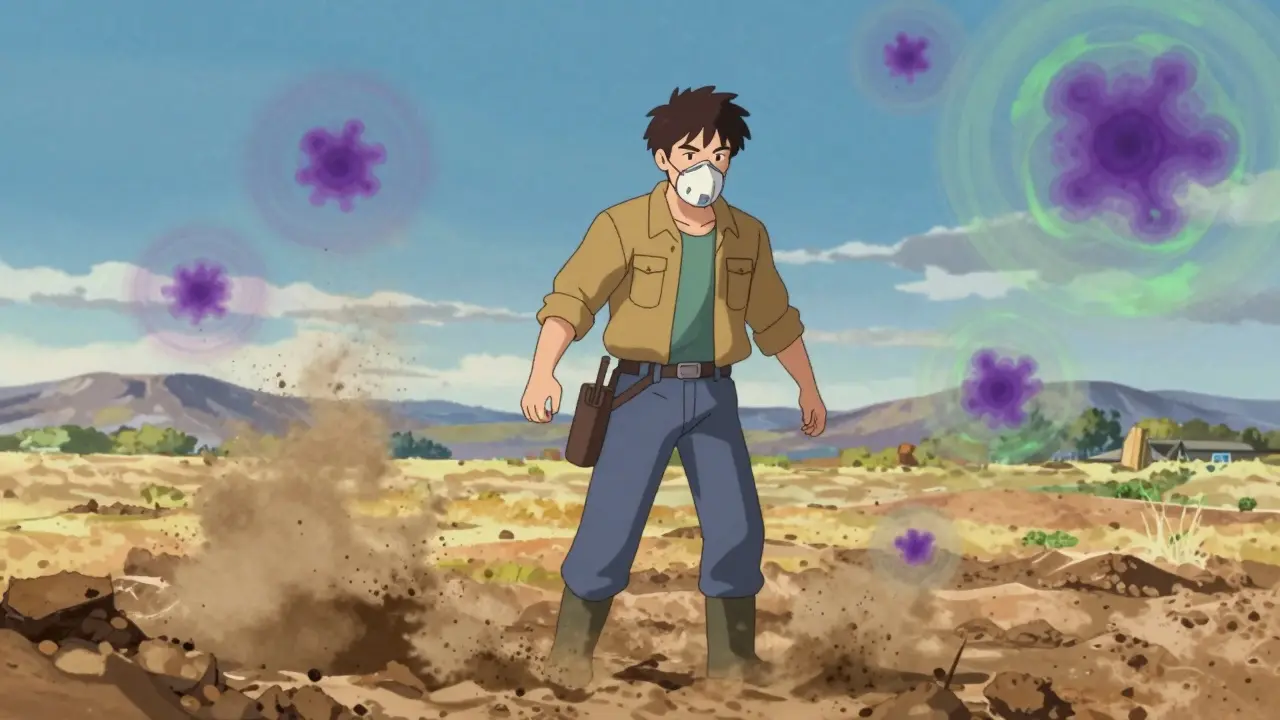
Your risk depends heavily on where you live and what you do. Farmers, landscapers, and construction workers in endemic areas (like the Ohio and Mississippi River valleys for Histoplasmosis, or the Southwest for Coccidioides) face significantly higher risks. Disturbing soil releases spores into the air.
What it looks like:
- Mimics other types: Fever, chills, and cough are common, making it hard to distinguish from bacterial or viral forms without testing.
- Gastrointestinal issues: Nausea or diarrhea can sometimes accompany respiratory symptoms.
- Extrapulmonary spread: If untreated, the fungus can spread to skin, bones, or the brain.
Diagnosis requires specialized blood tests or sputum cultures because standard X-rays aren’t enough. Treatment involves powerful antifungal medications like amphotericin B or azoles. Antibiotics will make no difference.
Comparison Table: Spotting the Difference
| Feature | Bacterial | Viral | Fungal |
|---|---|---|---|
| Onset | Sudden (hours/days) | Gradual (days) | Variable, often insidious |
| Fever | High (102-105°F) | Low to Moderate (100-102°F) | Variable |
| Cough | Productive (colored/bloody sputum) | Dry or minimal clear mucus | Dry or productive |
| X-Ray Pattern | Lobar consolidation (one area) | Diffuse interstitial (both lungs) | Nodules or cavities |
| Treatment | Antibiotics | Supportive care / Antivirals | Antifungals |
| Primary Risk Group | All ages, elderly, children | All ages, seasonal outbreaks | Immunocompromised, occupational exposure |
Prevention: Your Best Defense
You can’t always stop germs, but you can build shields against them. Prevention strategies differ by type.
For Bacterial Pneumonia: Vaccination is key. The pneumococcal vaccine series reduces rates by 60-70% in children. Adults over 65 and those with chronic conditions should ensure they are up to date. Despite its effectiveness, utilization remains stagnant at ~68% for older adults. Quit smoking-smokers have a 2.3 times higher risk of developing pneumonia.
For Viral Pneumonia: Get your annual flu shot. It reduces pneumonia risk by 40-60% during well-matched seasons. Stay current with COVID-19 vaccinations, which reduce pneumonia risk by up to 90% in the months following vaccination. Wash your hands and avoid sick contacts.
For Fungal Pneumonia: If you work in farming, construction, or landscaping in endemic areas, wear an N95 mask when disturbing soil or cleaning out chicken coops or bat-infested structures. If you are immunocompromised, discuss prophylactic antifungal medication with your doctor before traveling to high-risk regions.
When to See a Doctor Immediately
Don’t wait. Seek emergency care if you experience:
- Difficulty breathing or shortness of breath at rest.
- Chest pain that doesn’t go away.
- A persistent fever above 102°F (39°C) that doesn’t respond to medication.
- Confusion or sudden mental changes (especially in older adults).
- Bluish tint to lips or fingertips.
Early diagnosis saves lives. Modern PCR-based multiplex panels can now identify over 20 respiratory pathogens from a single sample with 95% sensitivity. Ask your doctor if this testing is available to pinpoint the exact cause quickly.
Can you have both bacterial and viral pneumonia at the same time?
Yes, this is called coinfection. More commonly, a viral infection (like the flu) weakens the lungs, allowing bacteria to invade secondarily. This "secondary bacterial pneumonia" is often more severe than either infection alone and requires both antiviral support and antibiotics.
How long does it take to recover from pneumonia?
Recovery varies by type and patient health. Viral pneumonia may take 1-3 weeks for energy to return. Bacterial pneumonia often improves within 3-5 days of starting antibiotics, but full lung healing can take a month or more. Fungal pneumonia recovery is slower and depends heavily on immune status, often requiring months of antifungal therapy.
Is walking pneumonia dangerous?
Walking pneumonia, caused by Mycoplasma pneumoniae, is generally milder than typical bacterial pneumonia. Most people continue daily activities while sick. However, it can still lead to complications in young children, the elderly, or those with underlying health conditions. It requires specific antibiotics (macrolides or tetracyclines) since standard penicillins don't work on Mycoplasma.
Why do doctors prescribe antibiotics for pneumonia if it might be viral?
Historically, it was hard to tell the difference quickly. However, guidelines are changing. Doctors increasingly use procalcitonin blood tests or PCR panels to distinguish bacterial from viral causes. Unnecessary antibiotics contribute to antimicrobial resistance. If you are prescribed antibiotics, ask your doctor how they determined the cause was bacterial.
Can pets give me fungal pneumonia?
Not directly from contact. Fungal pneumonia comes from inhaling spores in the environment, often associated with bird or bat droppings. While pets themselves don't transmit the fungus, keeping pet cages clean and avoiding areas with heavy bird/bat waste reduces exposure risk.