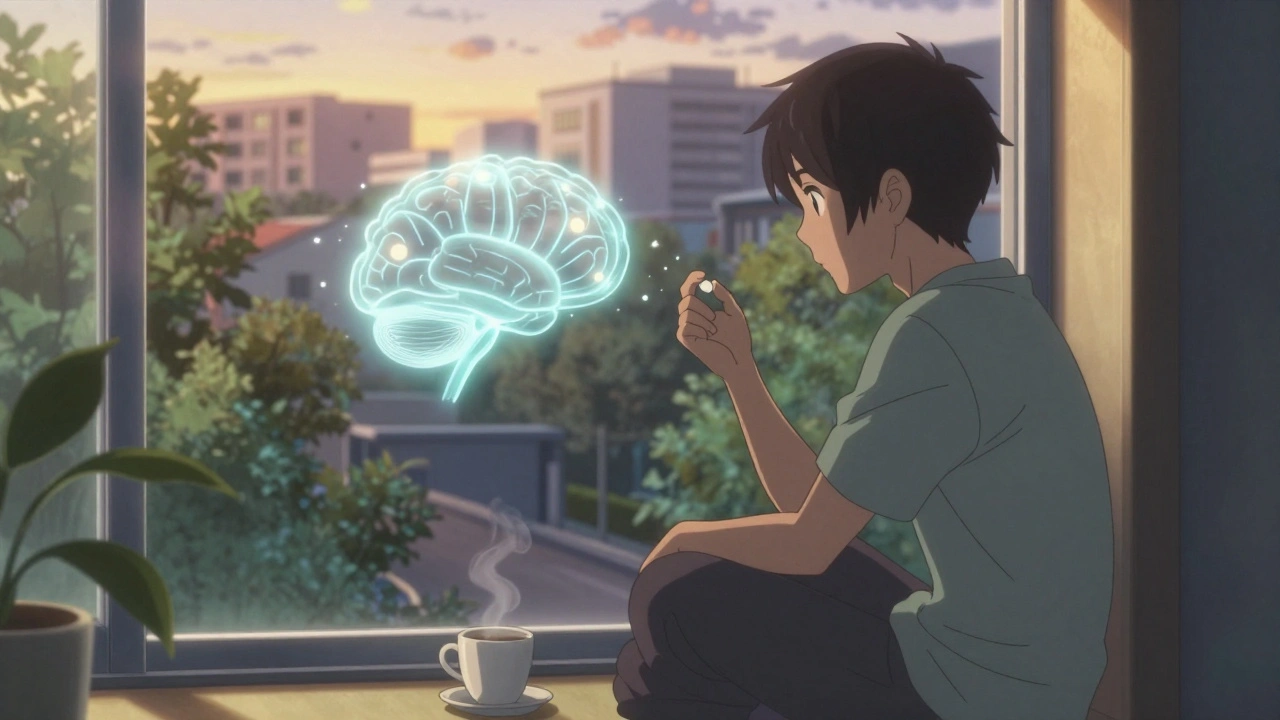
After you’ve pulled yourself out of a major depressive episode, the real challenge often begins: staying out. Nearly 80% of people who’ve had three or more depressive episodes will experience another one within five years-even if they felt completely better after treatment. This isn’t weakness. It’s biology. Depression isn’t a one-time glitch. It’s a recurring condition, and without active prevention, your brain tends to slip back into old patterns. The good news? You don’t have to wait for the next crash. Evidence-backed strategies exist to keep you stable, and they fall into two main buckets: maintenance therapy and lifestyle changes.
Why Relapse Happens (And Why It’s Not Your Fault)
Depression doesn’t just disappear because you took pills for a few months or went to therapy for 12 weeks. Your brain changes during a depressive episode-neural pathways get reinforced, stress systems stay on high alert, and coping skills fade. Even when you feel fine, those changes linger. That’s why the first rule of relapse prevention is this: feeling better doesn’t mean you’re cured.
Studies show that without any ongoing support, about half of people who recover from depression will have another episode within a year. After five years? That number jumps to 80%. But here’s what most people don’t know: with the right maintenance plan, you can cut that risk in half-or even lower.
Medication as a Shield: How Antidepressants Work Long-Term
For many, antidepressants aren’t just for getting through a crisis-they’re a long-term safety net. The data is clear: if you’ve had multiple episodes, staying on medication reduces your chance of relapse by more than half. A major analysis of 72 trials involving over 14,000 people found that antidepressants cut relapse risk by up to 50% compared to placebo.
One of the most studied drugs for long-term use is imipramine. In a landmark 3-year trial, patients on 200 mg per day had the strongest protection against return of symptoms. Today, SSRIs and SNRIs are more commonly used because they’re easier to tolerate, but the principle is the same: consistent dosing matters.
But it’s not just about the drug. It’s about sticking with it. About 30% of people stop their medication within the first year-not because it doesn’t work, but because of side effects: weight gain, low libido, fatigue, nausea. These aren’t trivial. They’re real, and they make people feel worse than the depression sometimes. That’s why doctors now emphasize shared decision-making: if side effects are too much, talk about alternatives. Don’t quit cold turkey. Work with your prescriber to adjust, switch, or taper slowly.
Therapy That Lasts: CBT, MBCT, and the Power of Skills
What if you don’t want to stay on medication forever? Or what if you still feel shaky after stopping? That’s where psychological maintenance therapy comes in.
Cognitive Behavioral Therapy (CBT) isn’t just for acute depression. When used as a maintenance tool, it teaches you to spot the early warning signs-like sleeping too much, avoiding friends, or having negative thoughts that feel “true” even when they’re not. A study led by Dr. Giovanni Fava showed that CBT can be just as effective as antidepressants for preventing relapse, especially if you still have lingering symptoms after your initial recovery.
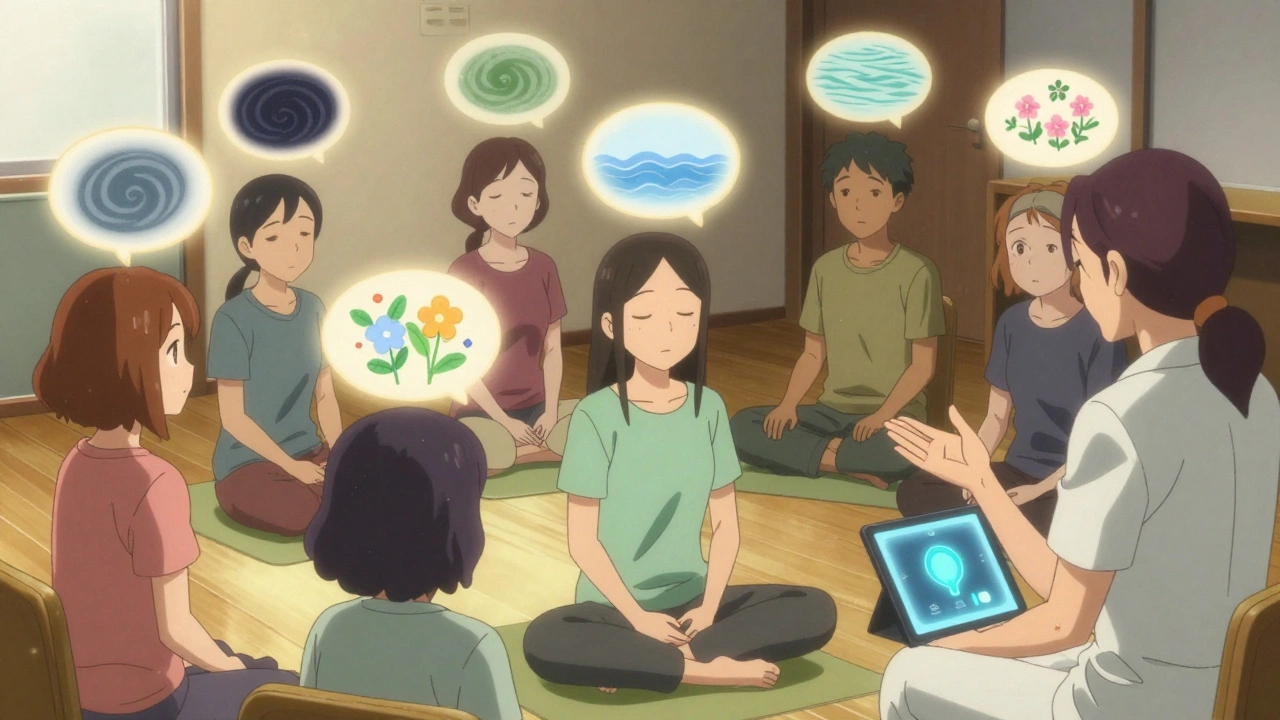
Mindfulness-Based Cognitive Therapy (MBCT) is another powerful option. It combines CBT with meditation practices that help you notice thoughts without getting pulled into them. In one large study, people with three or more past episodes who did MBCT were 31% less likely to relapse than those who didn’t. For them, it wasn’t just helpful-it was life-changing. Why? Because they learned to disengage from the mental habits that trigger depression.
Unlike medication, these therapies give you tools you can use for life. You don’t need to keep seeing a therapist forever. Most programs involve 8 weekly group sessions, followed by occasional booster sessions every few months. The goal isn’t to depend on therapy-it’s to become your own therapist.
The Lifestyle Factor: What You Do Every Day Matters More Than You Think
Medication and therapy are critical-but they’re not enough on their own. If you’re sleeping 4 hours a night, drinking alcohol to calm your mind, skipping meals, and never moving your body, you’re setting yourself up for failure. Lifestyle isn’t a bonus. It’s the foundation.
Sleep: Irregular sleep is one of the strongest triggers for relapse. Aim for 7-8 hours, and try to go to bed and wake up at the same time every day-even on weekends. Your circadian rhythm is a powerful regulator of mood.
Movement: You don’t need to run a marathon. Walking 30 minutes a day, five times a week, reduces relapse risk by up to 25%. Exercise boosts serotonin, reduces inflammation, and literally rewires stress circuits in your brain. Find something you don’t hate. Dancing, gardening, swimming-whatever gets you moving.
Nutrition: There’s no “depression diet,” but some patterns help. People who eat more whole foods-vegetables, fish, nuts, legumes-and fewer processed carbs and sugars report better long-term mood stability. Omega-3s from fatty fish may reduce inflammation linked to depression. Don’t obsess. Just aim for more real food, less junk.
Connection: Isolation is depression’s best friend. Make time for even one person you trust. Weekly coffee, a phone call, a text thread-it doesn’t have to be deep. Just consistent. Social support isn’t fluffy-it’s biological. Loneliness increases stress hormones. Connection lowers them.
Who Benefits Most From What?
Not everyone needs the same plan. Your history shapes your best path.
- If you’ve had three or more episodes, psychological therapies like CBT or MBCT are especially powerful. They give you skills that outlast treatment.
- If you still have residual symptoms (low energy, poor concentration, irritability), combining medication with therapy works better than either alone.
- If you had a severe episode or were hospitalized, long-term medication (2-5 years) is usually recommended.
- If you’re against medication or had bad side effects, structured therapy (CBT, MBCT) is a proven alternative.
The American Psychiatric Association’s 2022 guidelines say it clearly: your choice should be based on your history, your preferences, and your symptoms-not just what’s easiest.
What Doesn’t Work (And Why People Give Up Too Soon)
Relapse prevention isn’t about willpower. It’s not about “just being positive.” And it’s definitely not about waiting until you feel like doing it.
Here’s what fails:
- Stopping meds because you “feel fine.” You’re not cured-you’re protected.
- Skipping therapy sessions because “I don’t need it anymore.” Skills fade without practice.
- Believing “I’ll just do yoga and eat kale.” Lifestyle helps-but it’s not a replacement for clinical care if you’re high-risk.
- Waiting for a crisis to happen before acting. Prevention means acting before you’re in pain.
Dropout rates in maintenance programs are high-15-20% in clinical trials. That’s not because the methods don’t work. It’s because they require effort over time. And when you’re tired, it’s easy to think, “I’m fine now. Why keep doing this?”
That’s the trap. Relapse prevention is like brushing your teeth. You don’t do it because you have a cavity. You do it so you don’t get one.
How to Build Your Personal Prevention Plan
Here’s a simple 5-step framework to start:
- Assess your risk: How many episodes have you had? Did you need hospitalization? Are you still struggling with low energy or negative thoughts?
- Choose your main tool: Medication? Therapy? Or both? Talk to your doctor or therapist about what fits your history and lifestyle.
- Add daily habits: Pick one lifestyle change to start with-sleep schedule, walking, or calling a friend once a week. Master that before adding another.
- Set up reminders: Use your phone calendar for therapy appointments, med checks, or even just a daily mood tracker. Consistency beats intensity.
- Know your warning signs: Write them down. For you, it might be skipping showers, canceling plans, or feeling hopeless for no reason. When you spot them, act-don’t wait.
Keep this plan in your phone or wallet. Update it every 6 months. Your needs change. Your plan should too.
What’s Next? The Future of Prevention
Science is getting smarter. Researchers are now looking at blood markers, sleep patterns, and even voice tone to predict who’s likely to relapse. Digital apps that deliver CBT or mindfulness exercises are showing promise-some reduce relapse risk by 20-30%.
But the biggest breakthrough isn’t technological. It’s cultural. We’re finally moving away from the idea that depression is something you “get over.” It’s a chronic condition, like diabetes or high blood pressure. And just like those, it needs ongoing management.
You’re not broken. You’re not weak. You’re someone who’s already fought hard to get better. Now, you’re learning how to stay that way.
Can I stop my antidepressants if I feel better?
Only under medical supervision. Stopping abruptly can cause withdrawal symptoms and increase relapse risk. Even if you feel fine, your brain may still need protection. Most guidelines recommend staying on medication for at least 2-5 years after your last episode if you’ve had multiple depressions. Talk to your doctor about tapering safely, not stopping suddenly.
Is therapy really as effective as medication for preventing relapse?
Yes-for certain people. Studies show that CBT and MBCT are just as effective as antidepressants in preventing relapse, especially if you’ve had three or more episodes. Therapy doesn’t just treat symptoms-it changes how you think and respond to stress, giving you tools that last beyond treatment. If you prefer not to take medication long-term, or if side effects were a problem, therapy is a strong, evidence-backed alternative.
How long should I do maintenance therapy?
For medication, most guidelines suggest 2-5 years after your last episode, especially if you’ve had multiple depressions. For therapy, a typical course is 8 weekly sessions (like MBCT), with optional booster sessions every 3-6 months. The goal isn’t lifelong dependency-it’s building skills and habits that keep you stable. After a few years, you and your provider can reassess whether you still need regular support.
Can lifestyle changes alone prevent depression relapse?
For someone with one mild episode and no other risk factors, yes-lifestyle changes can be enough. But if you’ve had multiple episodes, a history of hospitalization, or ongoing symptoms, lifestyle alone isn’t enough. Think of it this way: exercise, sleep, and diet are like wearing a seatbelt. They help. But if you’re driving at high speed in bad weather, you still need airbags and brakes. Medication and therapy are your airbags.
What if I can’t afford therapy or my insurance won’t cover it?
You’re not alone. Many people struggle with access. Look for low-cost or sliding-scale clinics, community mental health centers, or online programs that offer CBT or MBCT via app (some are free or low-cost). University training clinics often provide therapy at reduced rates. Support groups, whether in-person or online, can also help you stay connected and accountable. Even small, consistent actions-like journaling your mood or walking daily-can make a difference when professional help is limited.
Final Thought: This Is a Marathon, Not a Sprint
You didn’t get depressed overnight. And you won’t stay well overnight either. Relapse prevention isn’t about perfection. It’s about showing up-even when it’s hard. Even when you think you’re fine. Even when you’re tired.
The goal isn’t to never feel low again. It’s to know that low moods don’t have to turn into full-blown episodes. You’ve already proven you can recover. Now you’re learning how to stay recovered. That’s not just smart. That’s courageous.
Jay Everett
December 1, 2025 AT 19:52Bro, this post hit different. 🙌 I was on SSRIs for 3 years, stopped because I ‘felt fine,’ and ended up back in the hospital. Now I do MBCT twice a week + walk my dog at sunrise. No magic, just consistency. Your brain forgets how to be calm if you don’t train it. I’m not ‘cured’-I’m just better at catching the slide before it becomes a fall.
Steve Enck
December 2, 2025 AT 18:14The empirical validity of maintenance pharmacotherapy is statistically significant (p < 0.001), yet the adherence rate remains catastrophically low due to epistemic dissonance between patient-perceived recovery and neurobiological reality. One must interrogate the ontological assumption that ‘feeling better’ constitutes remission-a fallacy rooted in Cartesian dualism and neoliberal individualism. The brain does not reset; it remembers.
मनोज कुमार
December 3, 2025 AT 02:14Joel Deang
December 4, 2025 AT 02:44omg this is so real 😭 i stopped my meds after 6 months bc i thought i was fixed… then i cried for 3 days straight while eating cold pizza at 2am. now i do my 20 min walks and text my sis every morning. not perfect but better than last year. also i spell bad sry
Roger Leiton
December 4, 2025 AT 07:08Can we talk about how MBCT is basically meditation + cognitive restructuring? It’s like your brain gets a software update. I did the 8-week course and now I notice my negative thoughts like clouds passing. I don’t fight them. I just let them drift. Changed my life. Also, the app I use is free-search ‘Mindful Moments’ on the Play Store. Lowkey lifehack.
Laura Baur
December 5, 2025 AT 03:13It’s astonishing how many people treat depression like a temporary inconvenience rather than a chronic neurological condition. You wouldn’t stop insulin because your blood sugar is normal today, yet you’ll abandon antidepressants after three months because you ‘felt good’ for a week? This isn’t self-help-it’s biological maintenance. And if you think yoga and kale are sufficient for someone with four prior episodes, you’re not just misinformed-you’re dangerously naive.
Jack Dao
December 6, 2025 AT 14:12Of course you need meds. Everyone knows that. But you also need to stop being a victim. Stop blaming your ‘brain chemistry.’ You’re not a broken machine. You’re a person who chose to stop trying. I’ve been through it. I didn’t take pills. I got up. I showed up. That’s it. No therapy. No apps. Just discipline. You’re not special. You’re just lazy.
dave nevogt
December 7, 2025 AT 17:36I’ve had three episodes. Took meds for four years. Stopped. Relapsed. Went back on. Now I do CBT every few months and walk every morning. What I’ve learned isn’t about fixing myself-it’s about building a life where I don’t need to fix myself every day. The quiet moments-coffee without scrolling, silence without guilt-that’s where the healing hides. Not in the pills. Not in the apps. In the small, stubborn acts of showing up for yourself, even when you’re tired.
Arun kumar
December 7, 2025 AT 18:13Zed theMartian
December 9, 2025 AT 10:02Let me guess-you’re one of those people who thinks depression is just ‘low serotonin.’ Newsflash: serotonin isn’t even the main player anymore. The real issue is neuroinflammation, gut dysbiosis, and circadian disruption. Your ‘maintenance therapy’ is a Band-Aid on a hemorrhage. If you want real prevention, stop eating gluten, start cold plunges, and sleep in a Faraday cage. Or are you too comfy with Big Pharma’s placebo script?
Ella van Rij
December 10, 2025 AT 08:04Wow. So we’re supposed to be grateful now? That someone wrote a 5,000-word essay telling us what we already know? ‘Just walk and sleep.’ Wow. Groundbreaking. I didn’t realize my depression was just caused by not doing yoga. 🙄 Maybe if you didn’t treat mental illness like a wellness influencer’s side hustle, people wouldn’t feel so alone.