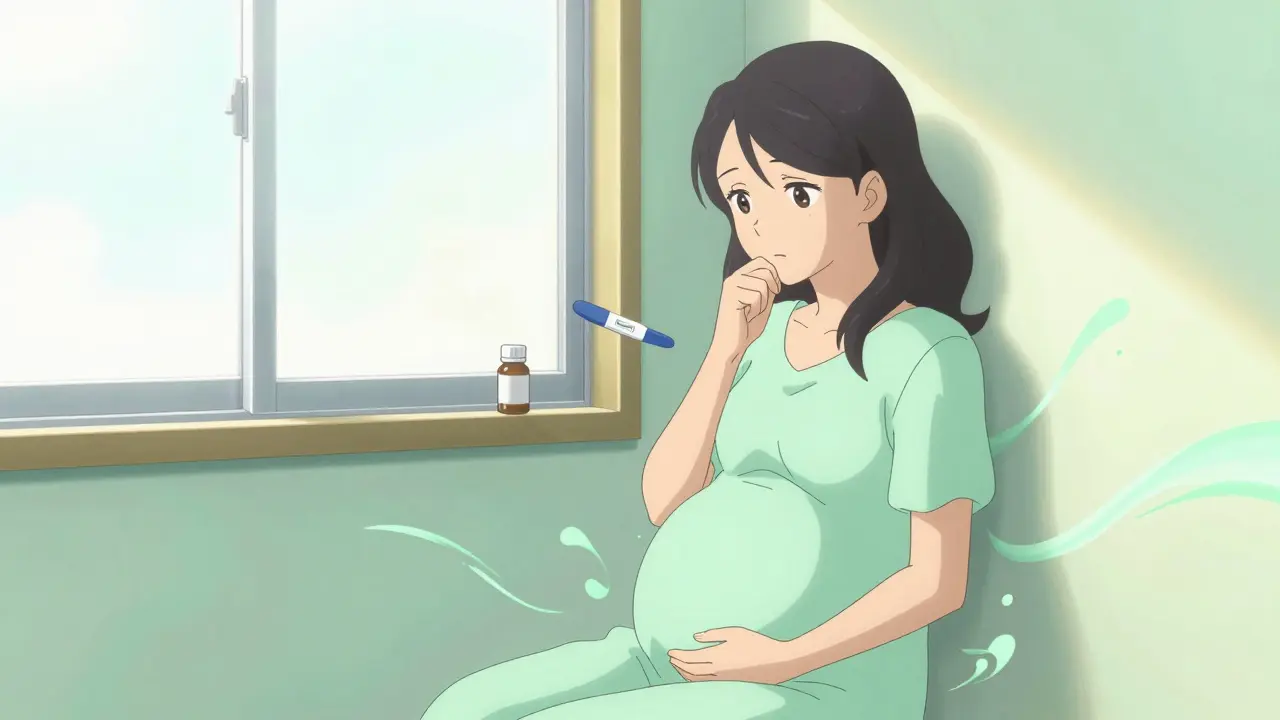
Quick Takeaways
- Most SSRIs do not increase the risk of major birth defects.
- Untreated depression significantly increases the risk of preterm birth and poor mother-infant bonding.
- Sertraline is often the first-line choice due to its safety profile and placental transfer rates.
- Paroxetine is generally avoided in the first trimester due to a higher risk of heart defects.
- The risk of Persistent Pulmonary Hypertension of the Newborn (PPHN) is low but slightly higher with SSRI use.
Understanding SSRIs and How They Work in Pregnancy
For those unfamiliar, Selective Serotonin Reuptake Inhibitors (or SSRIs) are a class of drugs that increase the level of serotonin in your brain. This helps regulate mood, sleep, and appetite. Since the first one, fluoxetine, hit the market in 1987, they've become the gold standard for treating perinatal mood disorders.
When you take an SSRI, the medication doesn't just stay in your bloodstream; it crosses the placenta. For example, Sertraline (commonly known as Zoloft) has a placental transfer rate of about 60-70%. While that sounds high, the FDA's Pregnancy and Lactation Labeling Rule (PLLR) notes that there is no substantial evidence that this leads to major congenital malformations in most cases.
The Danger of the "Cold Turkey" Approach
Many women consider stopping their meds the moment they see two lines on a pregnancy test. However, the risks of untreated depression are stark. According to CDC data, suicide is a leading cause of maternal mortality in the U.S., accounting for 20% of pregnancy-related deaths. When you stop an SSRI abruptly, you're not just risking a mood dip; you're facing a potential 4.3-fold increase in the risk of a depressive relapse.
Untreated depression also physically affects the pregnancy. It increases the risk of preterm birth (before 37 weeks) by more than double compared to non-depressed women. There's also the emotional toll: untreated depression is the strongest predictor of Postpartum Depression and can lower maternal attachment scores by 30%, making it harder to bond with your newborn.
Comparing Different Antidepressants: What's the Safest?
Not all antidepressants are created equal. Doctors usually categorize them based on their risk-to-benefit ratio. SSRIs during pregnancy are generally preferred, but specific choices matter.
| Medication | Clinical Status | Key Attribute/Risk | Best For... |
|---|---|---|---|
| Sertraline | First-Line | Lowest PPHN risk profile | Anxiety-predominant symptoms |
| Fluoxetine | Second-Line | Longer half-life | Anergic (low energy) depression |
| Citalopram | Recommended | Generally safe | Insomnia-related symptoms |
| Paroxetine | Avoid | 1.5-2.0x risk of cardiac septal defects | Avoid in 1st Trimester |
Quantifying the Risks: PPHN and Neonatal Effects
When you read about "risks," it's easy to panic. But it's important to look at absolute numbers, not percentages. Take Persistent Pulmonary Hypertension of the Newborn (PPHN), a condition where a baby's blood doesn't flow correctly through the lungs after birth. In the general population, this happens in 1 to 2 out of every 1,000 births. With SSRI exposure in the third trimester, that risk increases to 3 to 6 per 1,000. While the risk doubles, the absolute chance remains incredibly low-over 99% of babies will not have this condition.
You might also hear about "Neonatal Adaptation Syndrome." This happens in about 30% of newborns exposed to SSRIs. It sounds scary, but it usually involves mild jitters or irritability that resolves within two weeks. It's a temporary adjustment as the baby's system clears the medication, not a permanent developmental delay.
Long-Term Outlook and Neurodevelopment
One of the biggest debates among researchers is whether in-utero exposure affects a child's brain. Some data from Columbia University suggest that children exposed to SSRIs might have higher rates of depression by age 15 (about 28% versus 12% in non-exposed children with depressed mothers). However, other large studies, including a massive analysis of 1.8 million births in Nordic countries, found no significant link between SSRIs and congenital anomalies or long-term growth problems.
The tricky part here is "confounding by indication." This is a fancy way of saying that the child might be struggling not because of the medicine, but because they inherited a genetic predisposition to depression from their mother. This is why the NIH recommends continuing the lowest effective dose rather than risking the instability of untreated maternal mental illness.
Practical Steps for Management
If you're currently on medication or thinking about starting, here is the standard approach recommended by the American College of Obstetricians and Gynecologists (ACOG):
- Stick with what works: If you've been on a stable dose of a specific SSRI for years, switching medications during pregnancy can actually cause more instability than staying the course.
- The Taper Method: If you and your doctor decide to stop, never do it abruptly. A stepwise taper over 4 to 6 weeks is essential to avoid "brain zaps," nausea, and severe dizziness.
- Monitor Blood Pressure: Some SSRIs are linked to a slight increase in gestational hypertension (about 8.5% of users). Weekly checks after 20 weeks are a smart precaution.
- Low and Slow: The goal is the lowest effective dose. For sertraline, this might mean starting at 25-50mg and adjusting only if symptoms reappear.
Will taking antidepressants cause my baby to have a birth defect?
For the vast majority of SSRIs, the answer is no. Large-scale studies of nearly 2 million births show that the absolute risk of major malformations is roughly the same as in the general population. The only notable exception is paroxetine, which has been linked to a small increase in heart-related defects in the first trimester.
What happens if I stop my medication and my depression comes back?
A relapse in depression during pregnancy can lead to severe consequences, including a higher risk of preterm birth, impaired bonding with the baby, and a significantly higher chance of developing postpartum depression. In severe cases, untreated depression increases the risk of suicide, which is a leading cause of maternal death.
Which antidepressant is considered the safest during pregnancy?
Sertraline (Zoloft) is widely considered a first-line option because it has a well-documented safety profile and a lower risk of PPHN compared to some other SSRIs. However, the "safest" drug is often the one that has already proven effective for you personally.
What are "brain zaps" and why do they happen?
"Brain zaps" are electric-shock-like sensations in the head that can occur during SSRI withdrawal. They happen when the brain tries to adjust to the sudden drop in serotonin levels. This is why a slow, physician-guided taper is critical when discontinuing antidepressants.
Should I worry about my child's mental health later in life if I take SSRIs now?
While some studies show an increase in adolescent depression among exposed children, it's hard to separate the effect of the drug from the genetic risk inherited from a parent with depression. Experts recommend annual screenings starting at age 12 to catch any issues early, regardless of prenatal medication use.
Next Steps for Expectant Mothers
If you are currently taking an SSRI, the first thing to do is schedule a joint consultation with your OB-GYN and your psychiatrist. Don't make changes on your own. If you are experiencing symptoms of depression but aren't on medication, ask about a risk-benefit analysis using the PHQ-9 screening tool. For those who decide to stay on medication, keep a mood journal and share it with your provider to ensure you're on the lowest dose possible to keep you healthy for your baby.
Clint Humphreys
April 14, 2026 AT 22:10It is quite interesting how they frame these "absolute numbers" to make us feel comfortable, but you have to wonder who is funding these massive Nordic studies and if they are just trying to push the pharmaceutical narrative to keep the profit margins high for the companies making these SSRIs since the government loves a dependent population and it's just so convenient that the "genetic predisposition" excuse covers up any long-term damage the chemicals might be doing to a developing fetal brain!
john chiong
April 15, 2026 AT 11:27pure madness to think some people would just quit cold turkey and wreck their entire psyche in the name of some misguided purity quest... absolute lunacy
melissa mac
April 17, 2026 AT 01:14I think it's so important for expectant mothers to feel supported regardless of the path they choose. Every pregnancy is unique, and the balance between medication and mental stability is a personal journey that requires a lot of compassion and expert guidance.
Haley Moore
April 18, 2026 AT 21:47Ugh, imagine actually thinking you can handle a pregnancy without your meds if you're already unstable 🙄 like, some people really think they're just "stronger" than chemistry. Please, I can't with the delusions of some of these people 💅✨
Catherine Mailum
April 19, 2026 AT 05:14oh sure because nothing says "safe" like a drug that gives your newborn the jitters for two weeks lol truly a peak parenting experience right there
Clare Elizabeth
April 20, 2026 AT 16:42You all got this!! Just remember that being a healthy and happy mom is the most important thing and you are doing great by researching and talking to your doctors keep your head up!
Jasmin Stowers
April 20, 2026 AT 20:39Sertraline seems like a solid choice here
David Snyder
April 22, 2026 AT 16:09I'm really glad this information is out there. It takes a lot of courage to admit you need help, and seeing the actual stats can really help ease the guilt that so many parents feel. Stay positive!
Kenzie Evans
April 23, 2026 AT 18:52This is basic stuff. Anyone with half a brain knows that Paroxetine is a disaster in the first trimester. I don't even know why we have to keep explaining this to people who refuse to read a medical journal for five minutes. Just follow the ACOG guidelines and stop overcomplicating it with your "feelings." It's not a debate, it's science.
Milo Tolley
April 25, 2026 AT 13:51The pharmacological implications of the placental transfer rate are absolutely staggering!!! One must consider the pharmacokinetic profile and the half-life of Fluoxetine versus the immediate metabolic clearance of other agents!!! It is an absolute catastrophe of clinical mismanagement when patients are switched haphazardly!!!