Statin Interaction Risk Checker
Select your current statin and a medication you are considering taking (or have been prescribed) to see the potential risk level and recommended actions.
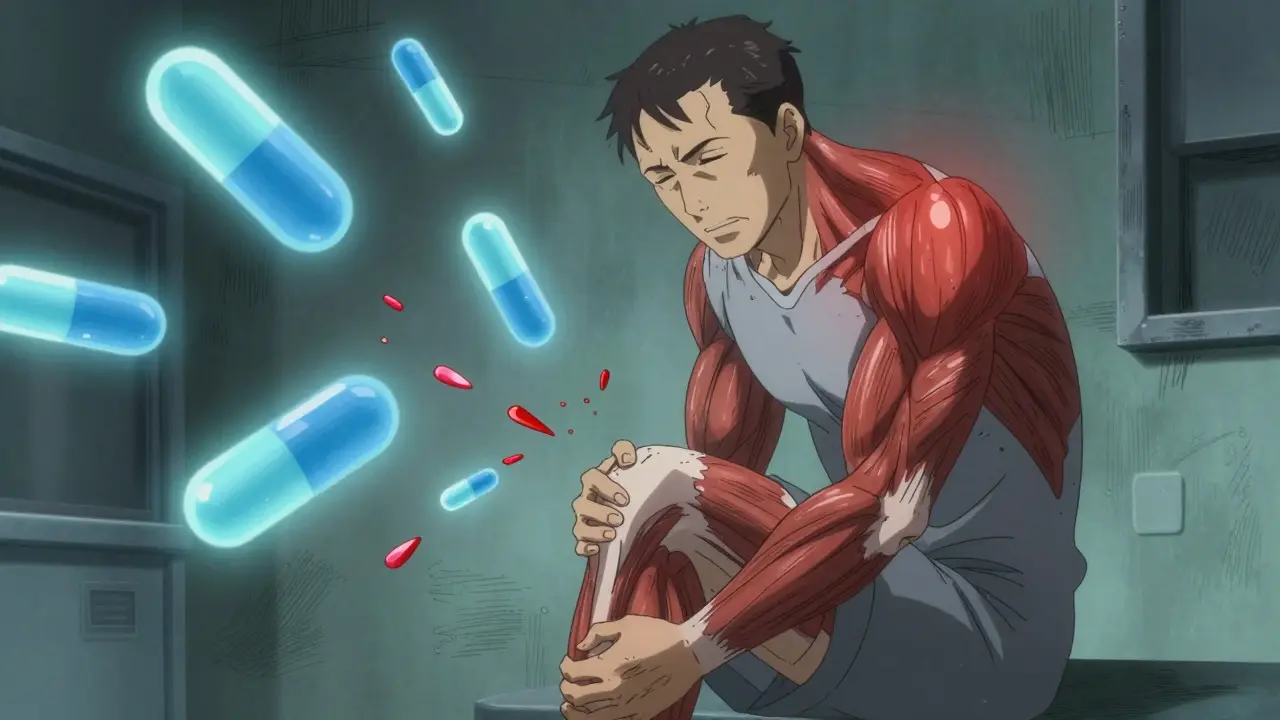
Imagine you are taking a daily pill to protect your heart. It is one of the most prescribed medications in history, trusted by millions to lower cholesterol and prevent strokes. But then, you start feeling it: a deep ache in your thighs, weakness in your shoulders, or just a general sense that your muscles aren't working right. You might blame aging or a hard workout. But if you recently started a new antibiotic or changed another medication, the culprit could be a dangerous interaction between your statins and those other drugs.
This isn't just theoretical fear-mongering. Statins, formally known as HMG-CoA reductase inhibitors, are powerful tools. Yet, they carry a specific risk called myopathy, which is muscle disease where fibers are affected and do not function properly. When combined with certain other medications, this risk spikes. Understanding these interactions can mean the difference between minor discomfort and a hospital visit for kidney damage. Let's break down exactly which combinations are risky, why they happen, and what you can do about them.
Why Do Some Medications Trigger Muscle Pain?
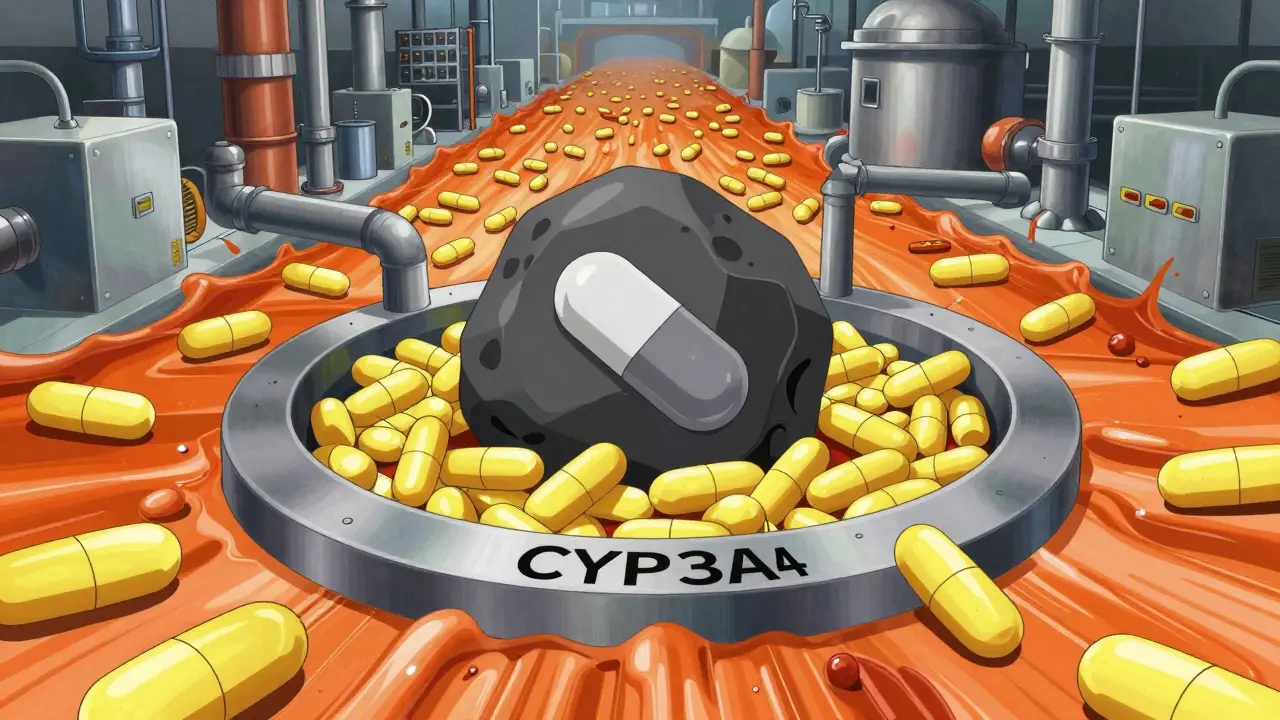
To understand the risk, you need to know how your body processes statins. Your liver acts like a factory, using enzymes called cytochrome P450 (CYP) to break down drugs so they can leave your system. The main enzyme involved here is CYP3A4. Think of it as a busy highway exit ramp.
Some statins, specifically simvastatin, lovastatin, and atorvastatin, rely heavily on this CYP3A4 exit ramp. If you take another medication that blocks this ramp-like certain antibiotics-the statin gets stuck in your bloodstream. Levels rise dangerously high. High levels of statin in your blood don't just lower cholesterol; they attack your muscle cells.
Other statins, such as pravastatin and rosuvastatin, use different pathways. They are "hydrophilic," meaning they love water and don't distribute into muscle tissue as easily as the "lipophilic" (fat-loving) statins. This makes them generally safer when you are taking interacting drugs, though they are not immune to all risks.
The Most Dangerous Drug Combinations
Not all interactions are created equal. Some combinations are merely annoying; others are life-threatening. Here are the big ones you need to watch out for.
| Interacting Medication Class | Specific Drugs | Risk Level | Effect on Statin |
|---|---|---|---|
| Macrolide Antibiotics | Clarithromycin, Erythromycin | Very High | Blocks CYP3A4, increasing simvastatin exposure up to 10-fold |
| Fibrates | Gemfibrozil | High | Inhibits statin transporters, doubling statin levels |
| Calcium Channel Blockers | Diltiazem, Verapamil | Moderate to High | Inhibits metabolism; FDA limits simvastatin dose to 10-20mg |
| Antifungals | Itraconazole, Ketoconazole | Very High | Strong CYP3A4 inhibition |
| Immunosuppressants | Cyclosporine | Extreme | Increases statin levels by 3-13 fold |
Let's look at the antibiotics first. Clarithromycin and erythromycin are common prescriptions for respiratory infections. If you are on simvastatin, taking clarithromycin can increase the amount of statin in your body ten times over. That is a massive spike. In contrast, azithromycin does not block CYP3A4 significantly, making it a much safer choice for patients on statins.
Then there is gemfibrozil, a fibrate used to lower triglycerides. Unlike its cousin fenofibrate, gemfibrozil interferes with how the liver transports statins out of the blood. Combining gemfibrozil with any statin significantly raises the risk of rhabdomyolysis, a severe condition where muscle breaks down and releases toxins into the kidneys.
Recognizing the Symptoms: More Than Just Soreness
You need to know what to look for. Normal post-workout soreness feels tight and fades in a day or two. Statin-induced myopathy feels different. It is often described as a deep, persistent ache, usually in large muscle groups like the thighs, hips, back, or shoulders. You might also experience weakness-trouble climbing stairs or lifting objects.
If you ignore these symptoms, the condition can progress to rhabdomyolysis. This is a severe form of myopathy involving breakdown of muscle fibers resulting in release of myoglobin into the bloodstream. Myoglobin clogs the kidneys, potentially leading to acute kidney failure. Signs of this emergency include dark, tea-colored urine, severe muscle pain, and extreme fatigue.
How do doctors confirm it? They check your creatine kinase (CK) levels. CK is an enzyme found in heart, brain, and skeletal muscle. When muscle cells are damaged, they leak CK into the blood. A clinical diagnosis of myopathy typically requires muscle pain or weakness accompanied by a CK level more than ten times the upper limit of normal. If you feel unexplained muscle pain, ask your doctor for a CK test. Don't wait.
Who Is at Higher Risk?
Even without drug interactions, some people are naturally more prone to statin side effects. Knowing your risk profile helps you advocate for yourself.
- Age: Patients over 75 or 80 have slower metabolism and reduced kidney function, making it harder to clear statins from their bodies.
- Body Frame: Individuals with a low BMI or small body frame may have higher relative concentrations of the drug.
- Thyroid Issues: Hypothyroidism (underactive thyroid) is a major risk factor. Untreated hypothyroidism can mimic myopathy and worsen statin effects. Always get your thyroid checked if you have muscle pain.
- Kidney Function: Chronic renal insufficiency reduces the clearance of hydrophilic statins like rosuvastatin.
- Genetics: Some people have a genetic variation called SLCO1B1 polymorphism. This affects a transporter protein in the liver. People with this variant have a 4.5-fold increased risk of myopathy when taking simvastatin.
Safer Alternatives and Management Strategies
If you are at high risk or need to take a conflicting medication, you are not out of options. Doctors have several strategies to keep your heart safe while protecting your muscles.
Switch to a Hydrophilic Statin: Pravastatin and fluvastatin are metabolized differently and have fewer interactions. Rosuvastatin is also an option, but it must be kept at a lower dose (usually 20mg or less) when combined with certain drugs. According to data from the Pharmacist's Letter, pravastatin has one of the lowest reported incidences of myalgia (0.6% to 1.4%).
Temporary Discontinuation: If you need a short course of clarithromycin for an infection, the NHS Specialist Pharmacy Service recommends temporarily stopping simvastatin or lovastatin during the antibiotic treatment. Restart the statin immediately after finishing the antibiotics. This prevents the dangerous buildup.
Dose Reduction: For chronic interactions, like taking diltiazem for blood pressure, lowering the statin dose is key. The FDA has issued specific warnings limiting simvastatin to 10mg or 20mg when used with verapamil, diltiazem, or amiodarone. Never exceed these limits.
Alternative Therapies: If you cannot tolerate any statin, newer drugs exist. Bempedoic acid (Nexletol) lowers cholesterol without entering muscle cells, effectively bypassing the myopathy risk entirely. While it is more expensive than generic statins, it offers a viable path for those who are truly statin-intolerant.
What Should You Do Right Now?
Don't panic, but do be proactive. Start by reviewing your current medication list. Bring a complete list of everything you take-including over-the-counter supplements and herbal remedies-to your next appointment. Ask your pharmacist specifically: "Do any of these interact with my statin?"
If you are starting a new medication, especially an antibiotic or antifungal, mention your statin use immediately. Your prescriber can choose a safer alternative, like azithromycin instead of clarithromycin.
Finally, listen to your body. If you develop unexplained muscle pain, weakness, or dark urine, stop taking your statin and contact your healthcare provider immediately. Request a CK level test. Early detection prevents serious complications. Remember, the goal is long-term cardiovascular health, and that includes keeping your muscles strong and functional.
Can I take ibuprofen with statins?
Yes, generally speaking. Non-steroidal anti-inflammatory drugs (NSAIDs) like ibuprofen do not significantly interact with statins via the CYP450 pathway. However, both NSAIDs and statins can affect kidney function in rare cases, so use caution if you have existing kidney issues.
Does Coenzyme Q10 help with statin muscle pain?
The evidence is mixed. Statins can deplete CoQ10 levels in the body, and some patients report relief with supplementation (100-200mg daily). The European Society of Cardiology suggests considering it, but studies have shown inconsistent results. It is generally safe to try, but consult your doctor first.
Is grapefruit juice dangerous with statins?
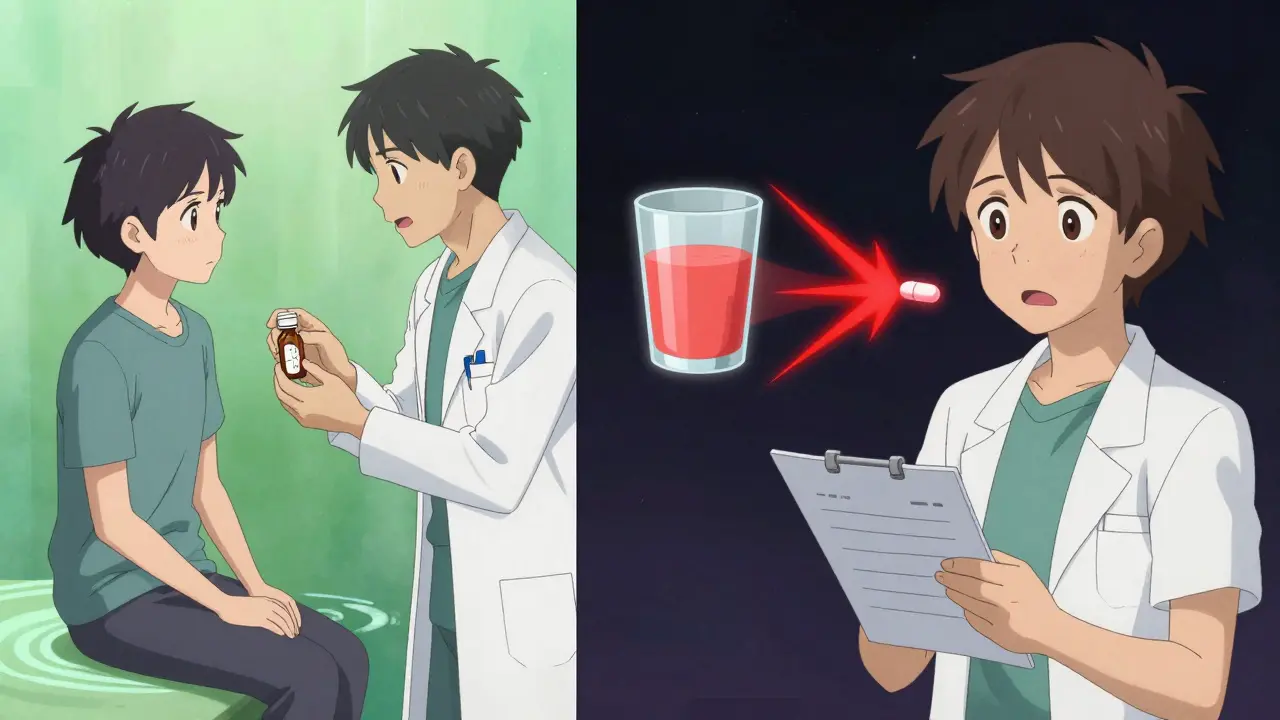
It depends on the statin. Grapefruit juice inhibits CYP3A4, similar to clarithromycin. It poses a significant risk with simvastatin, lovastatin, and atorvastatin. It has little to no effect on pravastatin or rosuvastatin. If you take a CYP3A4-metabolized statin, avoid regular consumption of grapefruit juice.
How long does statin myopathy last after stopping the drug?
Symptoms usually resolve within a few weeks to months after discontinuing the statin. CK levels typically return to normal within 4-6 weeks. If symptoms persist beyond this period, doctors investigate other causes like autoimmune myositis or thyroid disorders.
Can I exercise if I have statin-associated muscle symptoms?
You should rest until symptoms resolve. Vigorous exercise can worsen muscle damage and elevate CK levels further, complicating diagnosis. Once cleared by your doctor, gradual reintroduction of light activity is recommended. Avoid high-intensity workouts until you are off the offending medication or on a tolerated regimen.