
Pharmacy Safety Risk Analyzer
Assess your current medication setup to understand the potential safety gaps and benefits of consolidation.
Imagine walking into a pharmacy to pick up a new prescription, only to find out later that it reacts dangerously with a pill you get from a different store across town. It sounds like a nightmare, but for millions of people, this is a real risk. When your health records are split between three different providers, no single pharmacist has the full picture. This fragmented approach creates a dangerous gap in your medication safety plan, where the very drugs meant to heal you could end up causing a hospital visit.
The core of the problem is something called Polypharmacy, which is simply the practice of taking multiple prescription drugs at once. With about 15% of adults now taking five or more medications simultaneously, the risk of a bad interaction skyrockets. Using one pharmacy isn't just about convenience; it's about creating a safety net where one expert monitors everything going into your body.
The Hidden Danger of Pharmacy Hopping
Why do people use multiple pharmacies? Usually, it's about the wallet. Some stores have better coupons, or maybe a specific medication is cheaper elsewhere. While saving a few hundred dollars a year is tempting, the trade-off is a significantly higher risk of Drug-Drug Interactions (DDIs). These happen when two or more drugs react in a way that makes one less effective or creates a toxic effect.
Research shows that people who use multiple pharmacies concurrently have a 34% higher risk of experiencing these interactions. A classic example is the combination of warfarin and NSAIDs (like ibuprofen). When a patient uses different pharmacies, the pharmacist might not know they are on a blood thinner. This specific interaction can increase the risk of serious gastrointestinal bleeding by five times. When one pharmacy handles everything, their software flags this instantly, stopping the mistake before the pill ever reaches your hand.
Beyond interactions, there is the risk of therapy duplication. This is when you accidentally take two different brands of the same medication because you have two different doctors prescribing them. In patients using multiple pharmacies, this happens to about 7% of people. In single-pharmacy users, that number drops to almost zero (0.3%).
How One Pharmacy Protects You
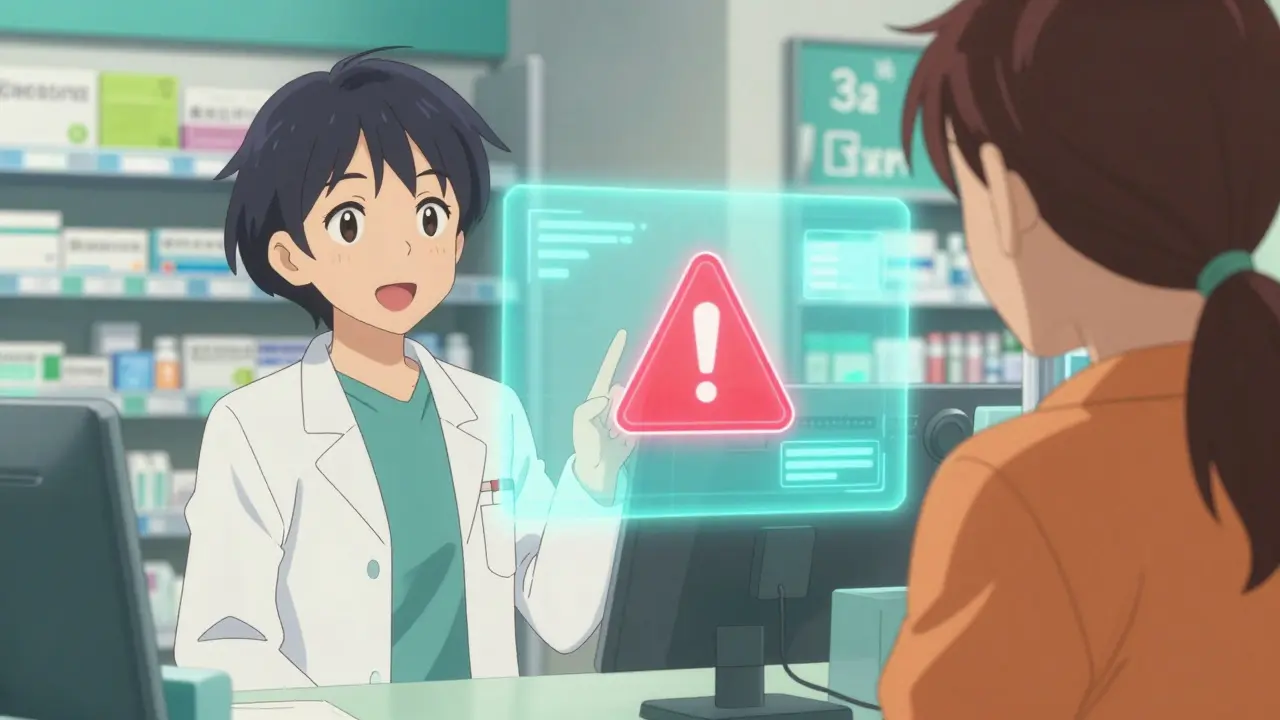
When you consolidate your prescriptions, your pharmacist stops being a retail clerk and starts being a clinical consultant. They use sophisticated pharmacy management software that analyzes your entire history in real-time. If a new drug is prescribed that clashes with something you've taken for years, a red flag pops up on their screen immediately.
But the software is only half the battle. Pharmacists suffer from "alert fatigue"-they see so many warnings that they sometimes override them. However, if they know you and your full history, they have the confidence to act on those alerts. They can spot patterns, recognize when a dose seems too high, or suggest a combination pill that replaces two separate medications, simplifying your routine.
| Feature | Single Pharmacy | Multiple Pharmacies |
|---|---|---|
| Interaction Risk | Lowest (Centralized Screening) | 34% Higher Risk |
| Therapy Duplication | Very Rare (0.3%) | Common (7%) |
| Refill Coordination | Synchronized Pickup | Fragmented Trips |
| Cost | Standard/Consistent | Potential for Lower Prices |
| Pharmacist Relationship | Strong/Consultative | Transactional/Disconnected |
Simplifying Your Life with Medication Synchronization
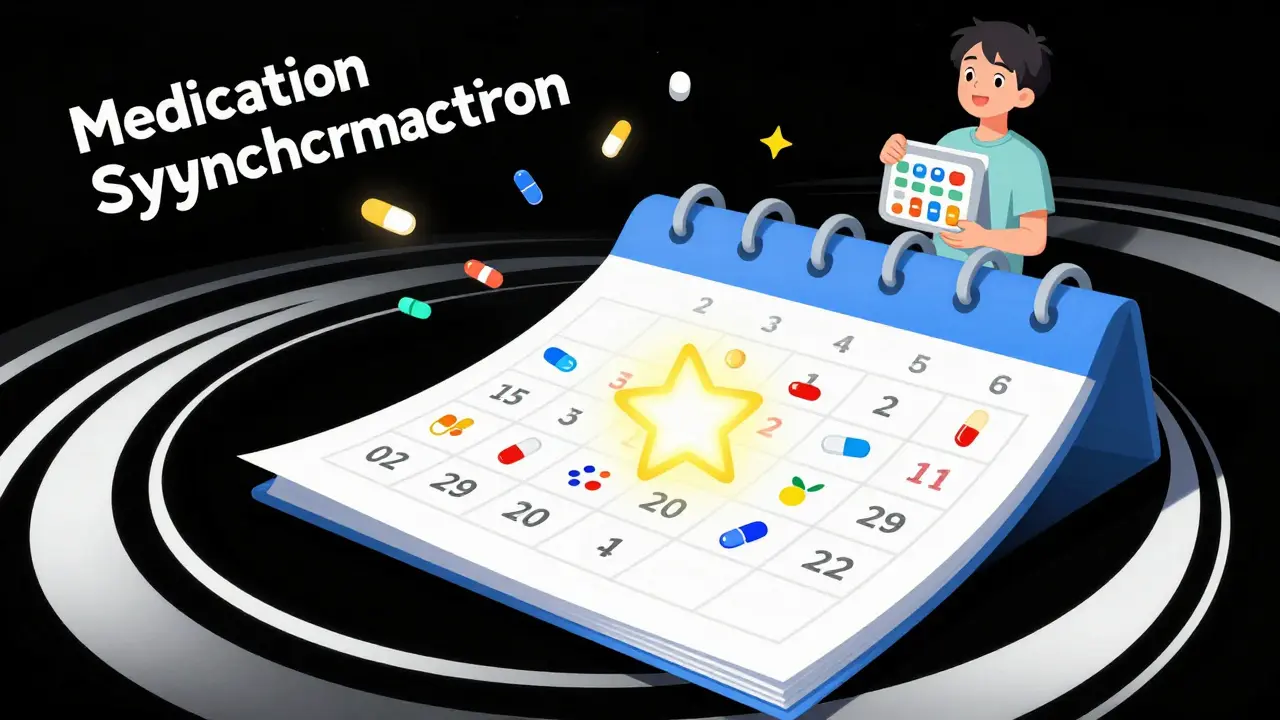
One of the best technical perks of using a single provider is Medication Synchronization, often called "Med Sync." If you've ever spent your entire month driving back and forth to the pharmacy because your blood pressure meds are due on the 5th and your cholesterol meds are due on the 12th, you know how frustrating this is.
Med Sync aligns all your refills to a single date each month. It usually works in four clear steps:
- Enrollment: You tell your pharmacist you want to synchronize your meds.
- Comprehensive Review: The pharmacist looks at every drug you take, including supplements and over-the-counter items.
- Strategic Short Fills: The pharmacy may provide a small 10-day supply of some meds to "reset" the calendar so everything lands on the same day.
- Monthly Pickup: You make one trip per month, or set up a single delivery.
This system doesn't just save gas; it boosts adherence. When the process is simple, you're less likely to miss a dose. Data suggests that Med Sync programs can achieve adherence rates of up to 90%, which is critical for people managing chronic conditions like diabetes or heart disease.
Practical Steps to Consolidate Your Care
Moving all your prescriptions to one spot might feel like a chore, but it usually takes only a few weeks to get fully settled. The process is generally handled by the pharmacy, but you can speed things up by being proactive.
Start by creating a master list. Don't just list the prescriptions; include your daily vitamins, herbal supplements, and any creams or inhalers. Then, choose your primary pharmacy and give them the names of the other stores where you have active prescriptions. The new pharmacy will contact the old ones to transfer the records-a process that usually takes 2 to 5 business days.
If you are worried about cost, talk to your pharmacist about generic alternatives or manufacturer coupons. Many pharmacies can match a price or find a way to lower the cost without you having to risk your safety by splitting your records across different stores.
The Bigger Picture: Why It Matters Now
The healthcare world is moving toward better integration. We are seeing the rise of shared electronic health records (EHR) from companies like Epic Systems, which allow different doctors to see what you're taking. But these systems aren't perfect and aren't available everywhere. The most reliable "database" is still a dedicated pharmacist who knows your face and your medical history.
For those taking complex regimens, the stakes are high. One misplaced prescription can lead to serotonin syndrome or severe internal bleeding. Preventing just one adverse drug event can save nearly $9,000 in hospital costs, not to mention the physical toll on your body. By choosing one pharmacy, you aren't just choosing a store; you're choosing a coordinator for your health safety plan.
Will I lose money by using only one pharmacy?
It is possible. Some people save $150-$300 a year by shopping for the lowest price at different pharmacies. However, you should weigh those savings against the 34% increase in risk for dangerous drug interactions. Many pharmacists can help you find coupons or generic versions to keep costs low while keeping your records in one place.
How long does it take to transfer my medications?
Typically, transferring a prescription takes between 2 and 5 business days. Your new pharmacy handles the communication with the previous one, so you just need to provide the contact information for your old pharmacy and your current medication list.
What is Med Sync and how does it help?
Medication Synchronization (Med Sync) is a service where a pharmacy coordinates all your prescription refills to happen on one single date each month. This reduces the number of trips you make to the store and significantly increases the likelihood that you take your medications on time.
Can a pharmacist really stop a drug interaction?
Yes. Pharmacy management software flags potential interactions in real-time. When a pharmacist has your complete medication history, they can identify dangerous combinations (like warfarin and NSAIDs) and contact your doctor to suggest a safer alternative before the medication is dispensed.
What should I include on my medication list?
You should include everything you ingest: all prescription drugs, over-the-counter medications (like aspirin or cold medicine), herbal supplements, vitamins, and any topical creams or inhalers. This ensures the pharmacist sees the full chemical picture of your health.