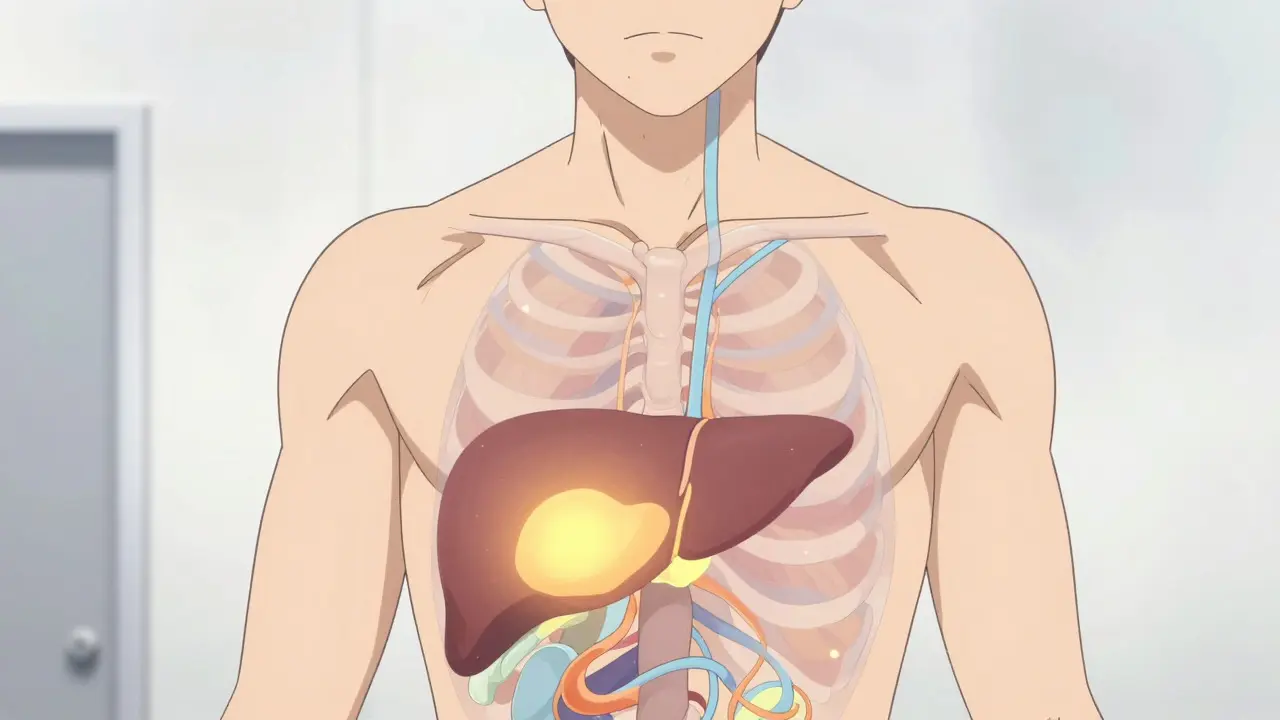
Your liver is working overtime, even if you don't feel it. For millions of people, Non-Alcoholic Fatty Liver Disease (NAFLD), now increasingly referred to as Metabolic Dysfunction-Associated Steatohepatitis (MASH), is a silent condition where fat builds up in the liver without alcohol being the cause. It’s not just about having a "fatty" liver; it’s a metabolic warning sign that can lead to serious complications like cirrhosis or liver cancer if left unchecked. The good news? You have more control over this disease than most people realize. Weight loss isn’t just a cosmetic goal here-it is the single most effective medical intervention we have.
If you’ve been told your liver enzymes are high or an ultrasound showed fat accumulation, you’re likely wondering what actually works. Is it the diet? The exercise? Or should you be asking your doctor about the new medications hitting the market in 2025 and 2026? This guide breaks down the evidence-based strategies for reversing NAFLD/MASH, focusing on realistic weight loss targets, specific dietary changes, and the latest pharmacological options available today.
The Magic Numbers: How Much Weight Do You Need to Lose?
When treating NAFLD/MASH, vague advice like "lose some weight" doesn’t cut it. Your liver responds to specific thresholds of weight loss. Understanding these numbers helps set realistic expectations and keeps you motivated when the scale moves slowly.
- 5% Weight Loss: This is the entry point for improvement. Losing just 5% of your body weight significantly reduces hepatic steatosis (fat accumulation in the liver). If you weigh 200 pounds, losing 10 pounds can start clearing out the excess fat.
- 7-10% Weight Loss: This range is where the real healing happens. A loss of 7-10% is associated with the regression of liver inflammation (steatohepatitis) and early fibrosis (scarring). For a 200-pound person, this means losing 14-20 pounds.
- Greater than 10%: Significant weight loss beyond this point can lead to the resolution of advanced fibrosis and a reduced risk of progression to cirrhosis.
However, achieving and maintaining this level of weight loss is notoriously difficult. Studies show that fewer than one-third of individuals achieve greater than 5% weight loss through lifestyle changes alone, and only 25% maintain it long-term. This gap between what works medically and what patients achieve is why new medication options are so critical.
Dietary Strategies: Fueling Liver Repair
Eating fewer calories is the foundation of weight loss, but what you eat matters just as much for liver health. Not all calories affect your liver equally. The goal is to reduce insulin resistance and lower triglycerides, which drive fat storage in the liver.
The Mediterranean Diet: The Gold Standard
Research consistently points to the Mediterranean diet as the most effective eating pattern for NAFLD. A meta-analysis referenced by the American Association for the Study of Liver Diseases (AASLD) showed that this diet led to statistically significant reductions in alanine aminotransferase (ALT) levels-a key marker of liver injury-as well as decreased liver stiffness and fat content.
What does this look like on your plate?
- Prioritize Healthy Fats: Olive oil, avocados, nuts, and seeds replace saturated fats found in red meat and full-fat dairy.
- Load Up on Vegetables: Aim for variety and color. Leafy greens, cruciferous vegetables (broccoli, cauliflower), and colorful peppers provide antioxidants that protect liver cells.
- Choose Whole Grains: Swap white bread and pasta for quinoa, brown rice, oats, and barley. These have a lower glycemic index, preventing blood sugar spikes that trigger fat storage.
- Fish Over Beef: Fatty fish like salmon, mackerel, and sardines are rich in omega-3 fatty acids, which help reduce liver inflammation.
What to Cut Out
To see results, you need to eliminate the primary drivers of liver fat. This includes:
- Added Sugars: Particularly fructose from sugary drinks, sodas, and processed snacks. Fructose is metabolized directly by the liver and turns into fat rapidly.
- Refined Carbohydrates: White flour products cause rapid insulin spikes.
- Saturated Fats: Limit butter, cheese, and fatty cuts of meat.
- Alcohol: While NAFLD is non-alcoholic, any amount of alcohol adds stress to an already inflamed liver. Complete abstinence is often recommended during active treatment phases.

Exercise: More Than Just Burning Calories
You might think you need to run marathons to help your liver, but the reality is simpler. Exercise improves insulin sensitivity independently of weight loss. This means even if the scale doesn’t move immediately, your muscles are becoming better at pulling glucose out of your blood, reducing the burden on your liver.
The Mayo Clinic recommends at least 150 minutes of moderate-intensity aerobic activity per week. This breaks down to about 30 minutes a day, five days a week. Brisk walking, cycling, or swimming all count. However, adding resistance training (weight lifting or bodyweight exercises) two to three times a week provides additional benefits by building muscle mass, which further enhances metabolic health.
For those looking to lose weight specifically, combining cardio with strength training creates a higher daily calorie deficit. Most patients need a deficit of 500-1,000 calories per day to lose 1-2 pounds weekly. Remember, consistency beats intensity. Starting with a 10-minute walk after meals is better than doing nothing because you’re too busy for an hour-long gym session.
Medication Options: The New Frontier
Historically, there were no FDA-approved drugs specifically for NAFLD/NASH. Doctors relied on off-label use of medications like metformin or vitamin E, with mixed results. That changed dramatically in August 2025 with the FDA’s accelerated approval of semaglutide (Wegovy) for treating MASH in adults with moderate-to-advanced fibrosis.
Semaglutide (Wegovy): A Game Changer
Semaglutide is a GLP-1 receptor agonist. It mimics a hormone that regulates appetite and digestion. In clinical trials, nearly 90% of patients stayed on the drug for more than a year. About two-thirds experienced reduced liver inflammation, and more than one-third showed decreased liver fibrosis. This makes it the first GLP-1 agonist specifically approved for liver disease.
Pros:
- Significant weight loss potential (often 15-20% of body weight).
- Direct improvement in liver histology (tissue structure).
- High patient retention rates compared to older weight-loss drugs.
Cons:
- Cost: Without insurance, Wegovy costs approximately $1,349 per month. Even with insurance, coverage varies widely, often requiring a BMI ≥30 or ≥27 with comorbidities.
- Side Effects: Nausea, vomiting, and diarrhea are common, especially when starting or increasing doses. These usually subside over time but can lead to discontinuation for some.
Other Medications
While semaglutide leads the pack, other options exist:
- Metformin: Often prescribed for type 2 diabetes, it has modest effects on liver fat but lacks strong evidence for reversing fibrosis. It remains a useful tool for managing blood sugar, which indirectly helps the liver.
- SGLT2 Inhibitors: Drugs like empagliflozin are emerging as promising alternatives. They help remove glucose through urine and may offer liver benefits, though large-scale data is still pending.
- Orlistat: An older weight-loss drug that blocks fat absorption. Evidence for liver benefit is weak and inconsistent.
| Approach | Mechanism | Effectiveness for Liver Fat | Key Challenge |
|---|---|---|---|
| Mediterranean Diet | Caloric deficit + anti-inflammatory nutrients | High (with adherence) | Long-term behavioral change |
| Exercise (150+ min/week) | Improves insulin sensitivity | Moderate | Maintaining routine |
| Semaglutide (Wegovy) | GLP-1 agonist reduces appetite/fat | Very High | Cost and GI side effects |
| Metformin | Lowers blood glucose | Low to Moderate | Does not reverse fibrosis significantly |

Combining Strategies for Best Results
The most successful patients don’t rely on just one method. They combine lifestyle changes with medical support. Think of it this way: diet and exercise create the environment for your liver to heal, while medications like semaglutide provide the momentum to overcome biological barriers to weight loss.
If you’ve tried to lose weight in the past and failed, ask your healthcare team for help. Multidisciplinary support involving dietitians, exercise specialists, and physicians yields better outcomes. Behavioral therapy can help manage food cravings and motivation issues, which are common hurdles.
Remember, NAFLD/MASH is a chronic condition that requires long-term management. There is no quick fix. However, with the right combination of dietary shifts, consistent movement, and potentially new medications, you can reverse the damage and protect your liver for years to come.
Next Steps and Troubleshooting
If you are newly diagnosed: Start with a food diary for one week. Track everything you eat and drink. Identify sources of added sugar and refined carbs. Schedule a consultation with a registered dietitian who specializes in liver health. Begin walking for 10 minutes after each meal.
If you have hit a plateau: Re-evaluate your portion sizes. We often underestimate how much we eat. Consider adding strength training if you only do cardio. Discuss medication options with your doctor if lifestyle changes alone aren’t yielding the 5-10% weight loss needed.
If cost is a barrier to medication: Check if generic alternatives like metformin or SGLT2 inhibitors are covered by your insurance. Look into patient assistance programs offered by pharmaceutical companies. Sometimes, combining lower-cost medications with intensive lifestyle coaching is a viable alternative to expensive GLP-1 agonists.
Can I reverse NAFLD completely?
Yes, in many cases. Early-stage NAFLD (simple steatosis) can often be reversed entirely with weight loss and lifestyle changes. Even early fibrosis can regress with significant weight loss (7-10%). Advanced cirrhosis is harder to reverse but can be stabilized to prevent further damage.
Is Wegovy safe for everyone with fatty liver?
Not necessarily. Semaglutide (Wegovy) was approved specifically for MASH with moderate-to-advanced fibrosis. It may not be suitable for everyone, especially those with certain gastrointestinal conditions or a history of pancreatitis. Always consult your hepatologist or primary care physician before starting.
How long does it take to see improvements in liver tests?
You may see improvements in liver enzyme levels (like ALT and AST) within 3-6 months of consistent lifestyle changes or medication use. However, structural changes in the liver, such as reduced fat or fibrosis, typically require imaging or biopsy confirmation after 6-12 months.
Does exercise alone help if I don't lose weight?
Yes. Exercise improves insulin sensitivity and reduces liver fat independently of weight loss. While weight loss is crucial for reversing fibrosis, regular physical activity protects the liver and improves overall metabolic health even if the scale doesn't move significantly.
What foods should I avoid completely?
Avoid sugary beverages (soda, fruit juice), processed snacks with high-fructose corn syrup, refined carbohydrates (white bread, pastries), and excessive saturated fats. Alcohol should also be minimized or eliminated, as it adds additional stress to the liver.