Health & Wellness Guides You Can Trust
Welcome to the Health & Wellness hub of the Foundation for Safe Medications & Medical Care. Here you’ll find straight‑forward articles that help you make smarter choices about medicines, supplements, and everyday health issues. Every guide is written for real people, not for doctors, so you can understand the facts without wading through jargon.
How to Buy Medicines Online Without Getting Scammed
Buying pills on the internet can feel like a gamble, but it doesn’t have to be. First, check that the pharmacy displays a valid licence number and a physical address. Look for secure https connections and clear contact details. Compare prices – if a deal looks too good to be true, it probably is. Read the product description carefully; legitimate sites list the active ingredient, dosage, and any required prescription. Finally, use a credit card or a payment method that offers buyer protection.
Our step‑by‑step guides walk you through the process for specific drugs such as Viagra, Bupropion, and Cialis. You’ll learn the typical price range in the UK, red‑flag signs of counterfeit products, and when a cheaper over‑the‑counter option like Viagra Connect might be enough.
Wellness Topics Covered in Plain Language
We also dive into common health concerns that affect everyday life. Expect clear explanations on how folic acid deficiency can cause megaloblastic anemia during pregnancy, what symptoms to watch for, and which foods boost your folate levels. If you’re navigating menopause, you’ll find practical info on whether spironolactone can ease hot flashes or acne, plus safer alternatives.
For chronic conditions, we break down the basics of drugs like Zetia for cholesterol, Olmesartan for blood pressure, and Prazosin for PTSD‑related sleep issues. Each article lists typical side effects, dosage tips, and easy ways to talk to your doctor about switching or stopping a medication.
Beyond prescriptions, we cover how to spot trustworthy online pharmacies such as Muscle‑Depot.WS or dokteronline.com, and what legal steps you need to take in the UK, US, or EU. The goal is to give you confidence before you click ‘order.’
All the content follows the latest 2025 guidelines, so you’re getting up‑to‑date information. Whether you’re looking for cheap generic options, want to understand how a supplement interacts with your meds, or need advice on managing a specific symptom, you’ll find a concise, practical answer here.
Take a look at our latest posts, bookmark the ones that matter, and feel free to share with friends or family who could use a reliable health resource. Safe medication choices start with the right knowledge – and that’s exactly what we aim to provide.

Aminoglycoside Antibiotics and Kidney Damage: Understanding Nephrotoxicity Risks
Learn about the risks of aminoglycoside nephrotoxicity, how drugs like Gentamicin cause kidney damage, and the best strategies for prevention and recovery.

Nutrition During Chemotherapy: Managing Nausea and Weight Loss
Learn evidence-based nutrition strategies for chemotherapy patients. Manage nausea, protect weight, and understand protein/calorie needs using ESPEN guidelines.

OTC Nasal Sprays: Preventing Rebound Congestion and Safe Usage Guide
Understand the dangers of rebound congestion caused by OTC nasal sprays. Learn how to identify rhinitis medicamentosa, follow the 3-day rule, and safely transition to alternatives.

Fertility and Immunosuppressants: Medication Risks and Counseling Guide
A comprehensive guide on how immunosuppressants affect fertility and pregnancy. Covers medication safety profiles, preconception counseling, and specific risks for male and female reproductive health.
Rosuvastatin Potency and Side Effects: What to Monitor in 2026
A comprehensive guide to Rosuvastatin potency, side effects, and essential monitoring protocols for patients managing high cholesterol safely.

Cosmetic Procedures and Anticoagulants: Managing Bruising and Bleeding Risks
Managing blood thinners before cosmetic procedures isn't about stopping them-it's about balancing bleeding risks with life-threatening clot risks. Learn which medications are safe to continue and why stopping them can be more dangerous.

Candida Vaginitis: Yeast Infection Symptoms and Over-the-Counter Options
Candida vaginitis causes intense itching, thick discharge, and burning. Over-the-counter antifungals like clotrimazole work well for classic cases - but only if you're sure it's yeast. Learn the symptoms, how to use OTC treatments correctly, and when to see a doctor.

Biologic Drugs: Why They Can't Be Copied Like Pills and How They're Made
Biologic drugs are made from living cells, not chemicals, which means they can't be copied exactly. Learn why biosimilars are the only alternative-and how their complex manufacturing makes them different from generic pills.
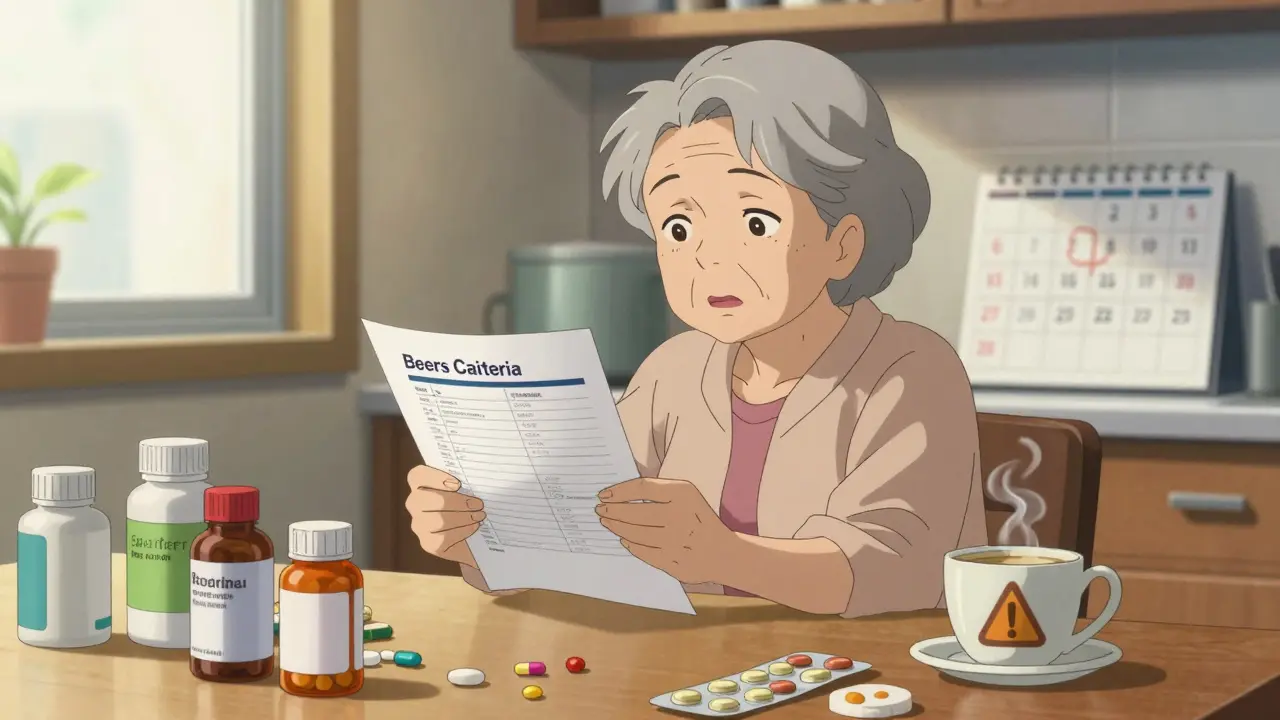
Medications That Are High-Risk for Seniors: What to Review
Many seniors take medications that increase fall risk, confusion, or hospitalization. Learn the top 5 high-risk drugs, safer alternatives, and how to review your meds using the Beers Criteria to stay safe.

TZD Weight Gain and Edema: How to Reduce Side Effects from Diabetes Medications
TZDs like pioglitazone help control blood sugar but often cause weight gain and leg swelling. Learn proven strategies to reduce fluid retention and avoid heart risks without stopping the medication.

Mineral Bone Disorder in CKD: Understanding Calcium, PTH, and Vitamin D
CKD-MBD is a dangerous systemic disorder in kidney disease involving calcium, phosphate, PTH, and vitamin D imbalances. It causes bone fractures and heart disease. Early detection and integrated management are key to survival.

How to Use Tall-Man Lettering to Reduce Medication Name Mix-Ups
Tall-man lettering uses capital letters to highlight differences in similar drug names, helping prevent dangerous mix-ups in hospitals and pharmacies. Simple, low-cost, and widely adopted, it’s a key tool in medication safety.