Foundation for Safe Medications & Medical Care - Page 5
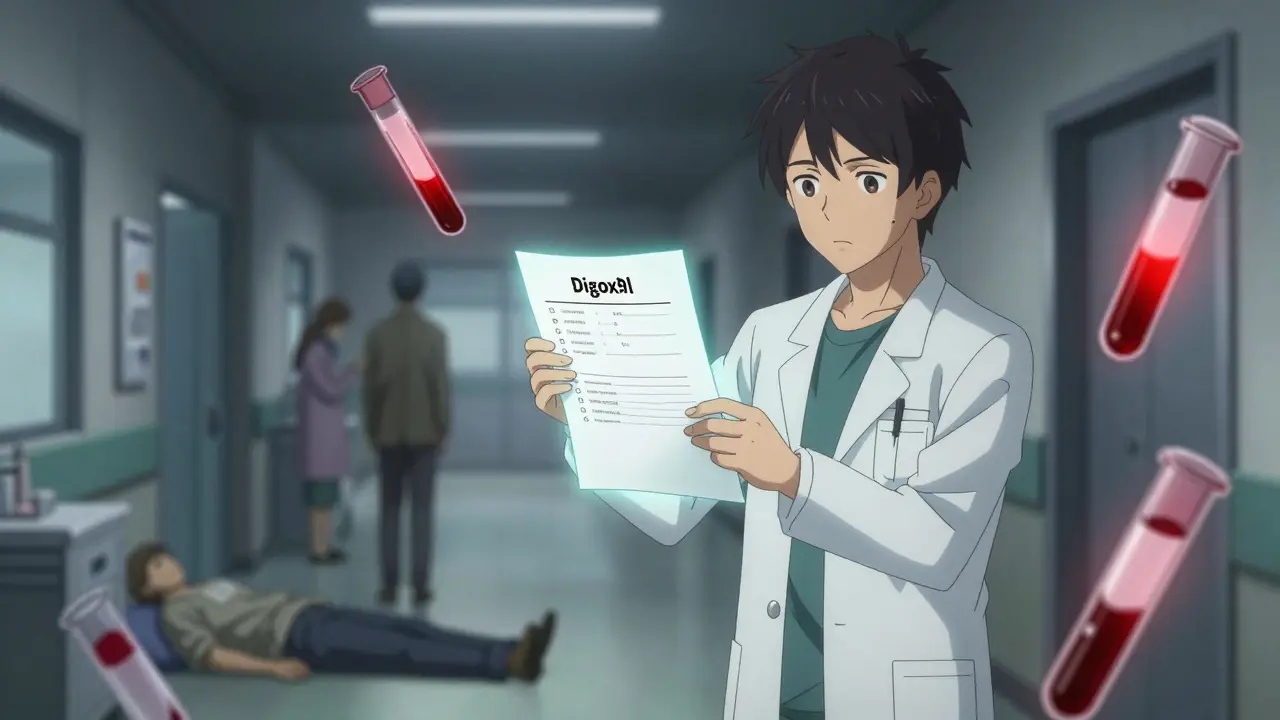
How to Confirm Monitoring Labs and Follow-Up for Medications: A Practical Guide for Providers
Learn how to confirm that medication monitoring labs are following verified protocols to ensure accurate results. Avoid dangerous dosing errors by understanding verification vs. validation and asking the right questions.

Tinnitus Retraining Therapy: How Habituation and Sound Therapy Reduce Tinnitus Distress
Tinnitus Retraining Therapy (TRT) uses habituation and sound therapy to help the brain stop reacting to tinnitus. Learn how this evidence-based approach works, who it’s for, and why commitment matters more than quick fixes.

Seasonal Depression Prevention: How Light, Vitamin D, and Routine Can Help
Learn how to prevent seasonal depression using light therapy, vitamin D, and daily routines. Evidence-backed strategies to beat winter low mood before it starts.
Deficiency Letters in Generic Drug Applications: Top FDA Findings and How to Avoid Them
FDA deficiency letters are the most common reason generic drug applications are delayed. Learn the top 5 findings, why they happen, and how to avoid them with proven strategies based on FDA data from 2023-2024.

Effective Patent Life: Why Market Exclusivity in Pharma Is Shorter Than You Think
Effective patent life in pharmaceuticals is often just 10-15 years, not 20, due to lengthy approval processes. Secondary patents and regulatory exclusivities extend monopolies, delaying generics and keeping prices high.

Electrolyte Imbalances: Managing Potassium, Phosphate, and Magnesium in Kidney Health
Learn how to manage potassium, phosphate, and magnesium imbalances in kidney disease. Understand why sequence matters, who’s at risk, and the latest evidence-based treatments that save lives.
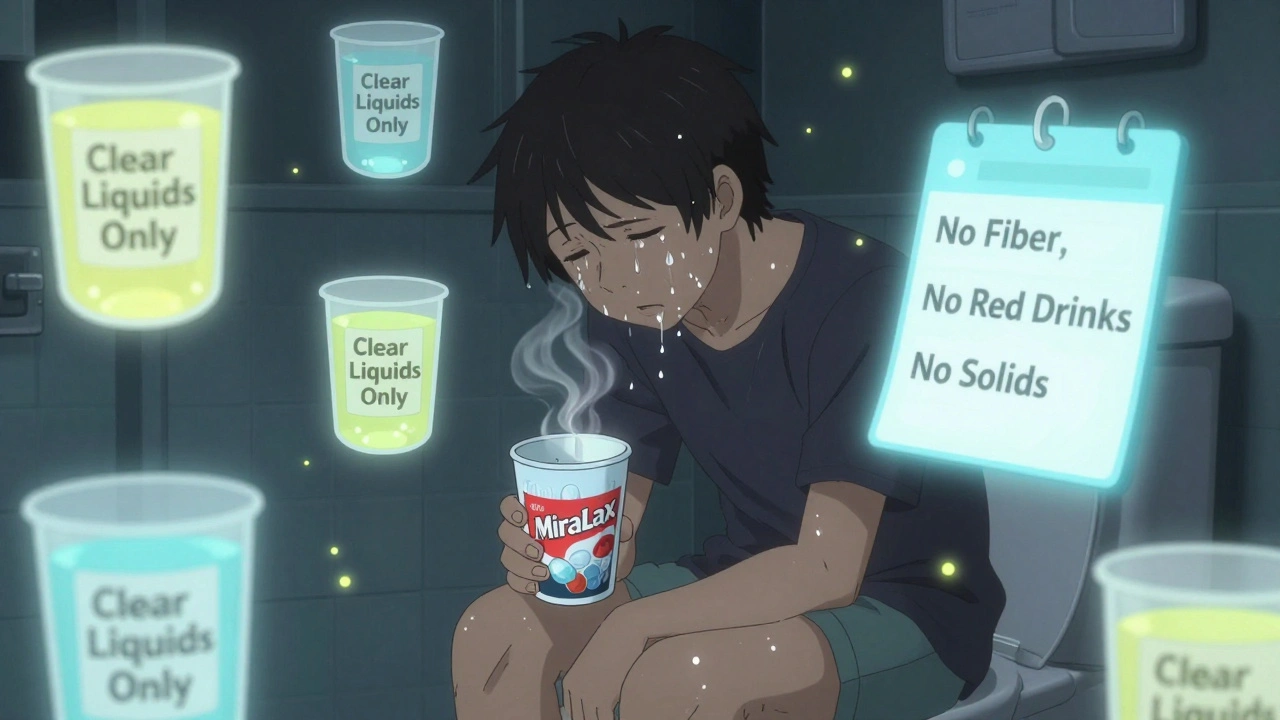
Colonoscopy Prep Tips: How to Get a Clear Exam and Catch Cancer Early
Learn how to properly prepare for a colonoscopy with clear, step-by-step tips to ensure a clean colon and accurate cancer screening. Avoid common mistakes that lead to missed polyps and canceled procedures.

How to Use Lockboxes for High-Risk Medications at Home: A Practical Safety Guide
Learn how to safely store high-risk medications like opioids and benzodiazepines at home using a lockbox. Essential guide for parents, caregivers, and anyone with controlled substances.
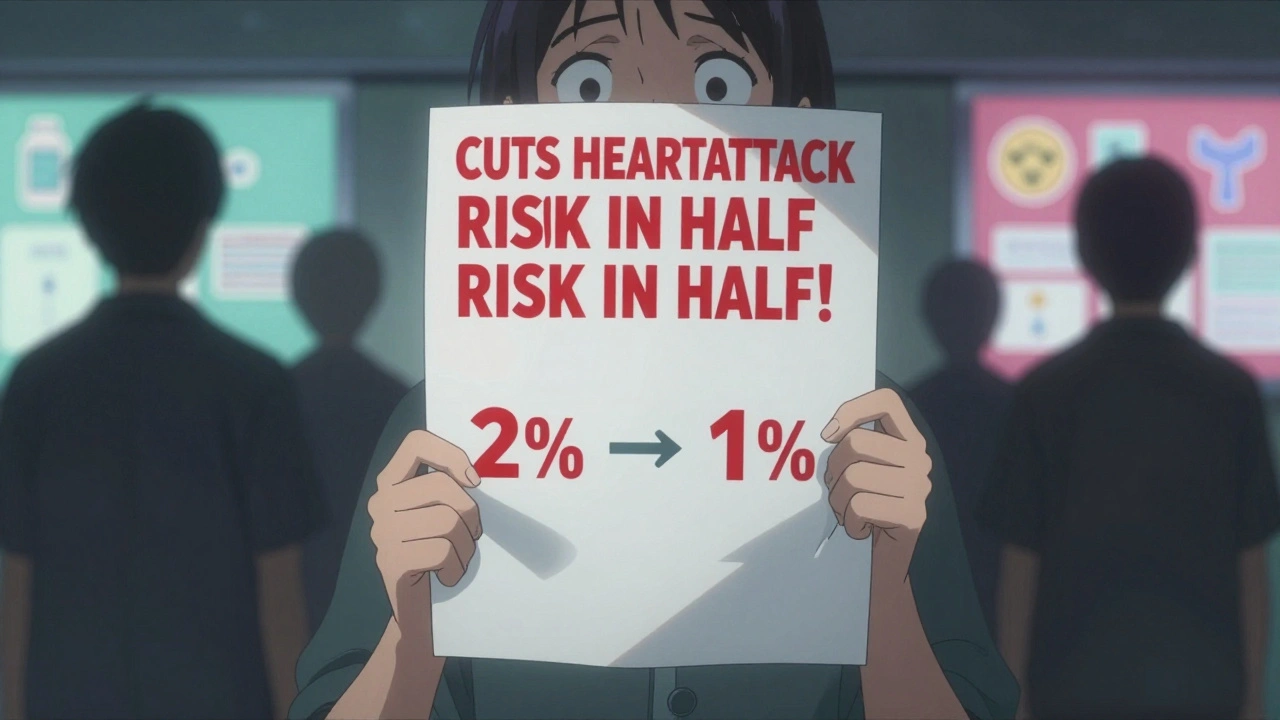
Absolute Risk vs Relative Risk in Drug Side Effects: How to Interpret Numbers
Learn how to read drug side effect numbers by understanding absolute vs relative risk. Stop being misled by marketing claims and make smarter health decisions with real data.
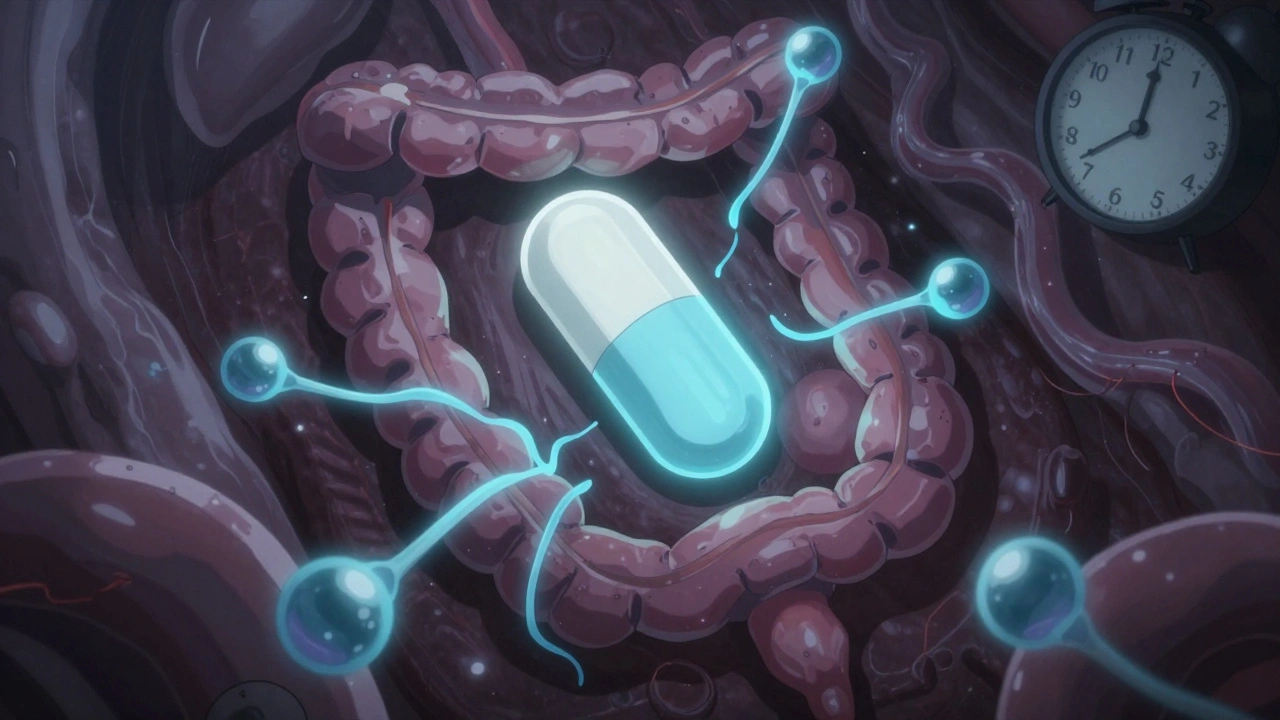
How to Space Magnesium Supplements with Thyroid Medication and Antibiotics for Maximum Effectiveness
Learn how to safely space magnesium supplements with thyroid medication and antibiotics to avoid reduced absorption and treatment failure. Key timing rules, best magnesium forms, and real patient results.
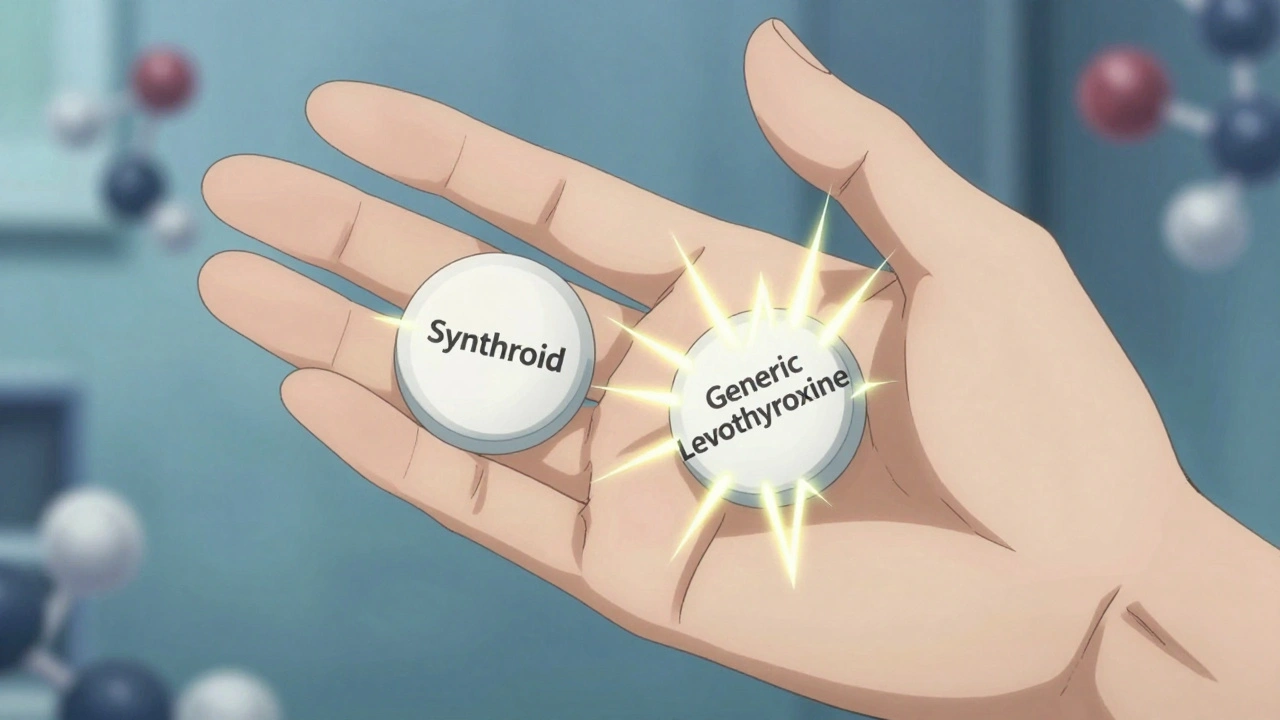
Why Some People React Differently to Generic Medications
Many people react differently to generic medications due to variations in inactive ingredients and absorption rates. For drugs with narrow therapeutic indices, even small changes can cause serious side effects. Learn why some patients need to stick with specific formulations.

Coping Strategies for Long-Term Chronic Medication Use: What Actually Works
Long-term chronic medication use is hard-but not impossible. Learn the five proven coping strategies that actually improve adherence, what doesn't work, and how team-based care can make a real difference in your daily routine.